

 1 week ago
6
1 week ago
6
ARTICLE AD BOX
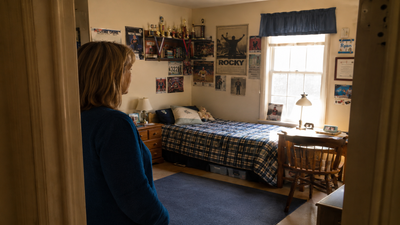
Many parents keep their grown children's rooms untouched, a practice often misunderstood. A University of Bristol study reveals this preserves a psychological bridge during the emotional transition of the empty nest. Image Credit: ChatGPT
It is an unwritten code in many families that even after a kid has left the house, graduated from college, and moved out into an apartment of his/her own, the kid’s room is still left untouched.
Those high school trophies still rest on the shelves, those posters are still stuck to the walls, and the kid’s bed is still made the exact same way it used to be made years ago. To someone who does not understand or to the kids themselves, it often seems strange to enter this unchanged room. Grown children often view the preserved space as an anchor holding their parents back, wondering why they do not convert the room into a home office, a gym, or a guest room.
It is easy to assume that keeping a time capsule is proof of a parent being stuck in the past.But then there is a qualitative study conducted by the University of Bristol, which shows this practice in an entirely new light. The study focuses on the deep intertwining between the parent’s identity – especially that of a mother – and his/her identity as a caregiver to the offspring for many years. Once the children move out of the house, it is not a smooth separation; instead, it is an intricate and very fragmented emotional process that overlaps with the ongoing responsibilities and dynamics of the family.
One possible reason parents leave the room unchanged is that it can serve as a psychological bridge during a difficult emotional transition.The emotional weight of an empty nestIn order to comprehend the importance of the physical environment preservation after a child leaves, one has to understand the psychological burden of this loss. For many years, the routine of the parent has been connected with the physical presence, noises, and practical needs of the children.
With the sudden absence of the latter, the silence inside the house becomes too heavy to bear.A research paper named Empty Nest Syndrome: Concept Analysis explains the real anatomy of emotion in this phase of life. According to the research, entering the empty-nest phase can bring feelings of emptiness and loss. Parents may suddenly have more unstructured time and temporarily lose their main daily role. This means that coping skills will be unique and personal for each individual.Preserving the room can be one adaptive strategy. When people feel internal turbulence, stable surroundings can become an important point of reference. The unchanged room provides proof of a highly significant period in life, making sure that while all interaction may have ended, everything else remains exactly the same.
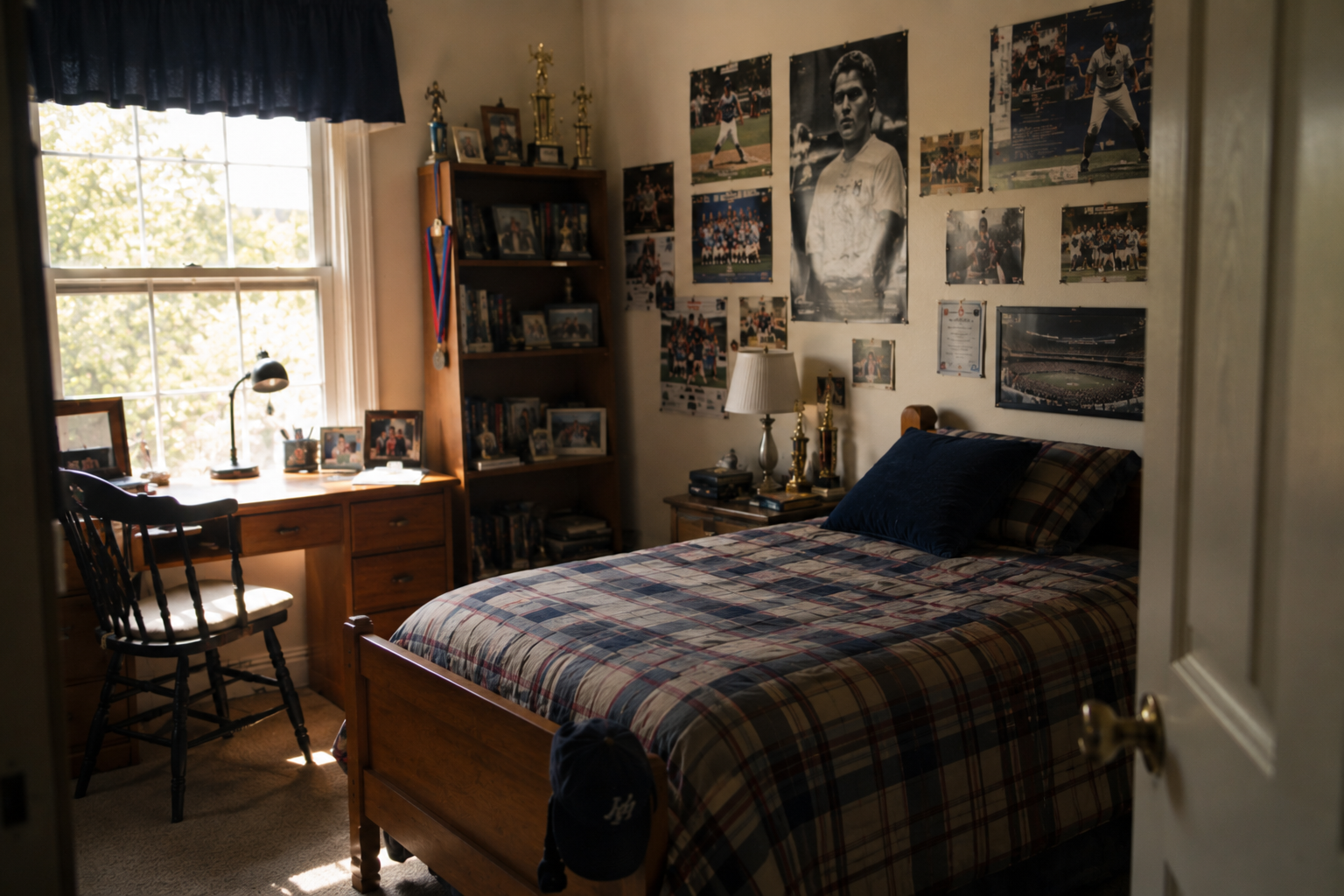
These unchanged spaces offer a stable reference point, acknowledging a significant life period and sending a message of continued belonging to returning offspring, aiding parents in their own personal growth. Image Credit: ChatGPT
Objects as a medium to connect with emotionOur surroundings are not just spaces defined by drywalls and wood, but are a representation of our inner selves and our emotional ties.
The objects left within a room where one once spent their childhood - the books, the old desk, the precise arrangement of the furniture – carry great significance.Clearing the room immediately after a child moves out can feel, psychologically speaking, like closing the book too soon on active parenting. Preserving the space can send a physical message to the grown child that they still have a place in the family. When they return, they may feel they are coming home rather than staying in a guest room.Embracing the slower pace of personal growthSeeing the preserved bedroom as a way to support emotional balance offers a different perspective on parents’ homes.Next time you return to the childhood home and see that your room has remained exactly the same way you left it, do so with empathy and without any judgment. This does not necessarily mean they are not progressing or growing in life. It may simply mean they have created a space that helps them cope with change. Maintaining this place helps them have an environment where they can go through their new changes, ultimately embracing the future when they want to move on with their lives.








 English (US) ·