

 7 hours ago
4
7 hours ago
4
ARTICLE AD BOX
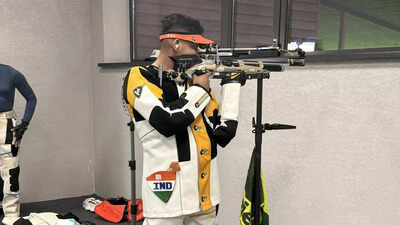
Rudrankksh Patil (Pic Credit: Patil's X handle)
NEW DELHI: Pistol shooter Samrat Rana and rifle shooter Rudrankksh Patil share a rare emotion that is hardly understood by most of their contemporaries, or even seniors. Both shooters, participating at the Asian Shooting championships here, became world champions very early in their careers.Rudrankksh was just 18 when he became the 10m air rifle world champ in 2022. And it was Samrat’s only second international outing when he clinched the world 10m air pistol title last year. Naturally on top of the world when they won the titles, the follow through, however, has been anything but easy for them.
Jay Shah’s 2036 Olympic blueprint for India: '8 Medals won’t cut it'
“I feel the pressure of responsibilities that a world champion would have to win medals for his country. The title came a bit early for me and so have the responsibilities,” Rana, who won a bronze in 10m air pistol individual and a silver in mixed event here, said.“Obviously, I am happy with the title even now, but this would have meant much more if it had come after competing in some more tournaments,” Samrat added, “I have only one goal, to win an Olympics medal now.” While Samrat is yet to explore this feeing, Rudrankksh is still trying to process it almost four years later.“Following the title, you feel a sense of identity crisis. When you don’t win a medal in smaller, but tough events, people feel the world title was a fluke.
After a world title, anything less than a gold in smaller tournaments means nothing to people,” Rudrankksh said.The early peak also proves counterproductive in handling low phases following the triumph. “You get submerged in the game so much, trying to be the best, that when things go south, you don’t know how to react. You are not used to see the lows in the early phase,” the Thane shooter said. India’s first individual Olympic gold medallist and former World Champion, Abhinav Bindra knows a thing or two about the youngsters’ concerns.“It’s a very valid point and something many athletes don’t fully anticipate. Becoming a World Champion at a young age is a huge honour but it also brings a shift in mindset and external pressure that can be difficult to manage. Expectations rise very quickly both from others and from within and the focus can slowly move away from learning and improvement toward defending a label,” Bindra told TOI. “At that stage of an athlete’s career there is still a lot to understand about competition consistency and handling setbacks.
A world title can sometimes create a sense of arrival when in reality it is only one milestone in a much longer journey.“There are still World Cups, major championships, Olympic cycles and years of refinement ahead,” Bindra, who became a World Champion in 2006, added.With his experience, Bindra also has some advice to offer.“When a title comes early, it becomes important to have the right environment around the athlete. Coaches, mentors and family need to help keep the focus on process rather than outcomes. If handled well, an early title can build confidence and maturity. If handled poorly it can add pressure, distraction and a feeling that something is incomplete because the athlete knows there is still much more to achieve,” Bindra said.
While the realisation and awareness of the problem is the first step taken right for Rudrankksh and Samrat, staying motivated is the second challenge.





 English (US) ·