

 1 hour ago
4
1 hour ago
4
ARTICLE AD BOX
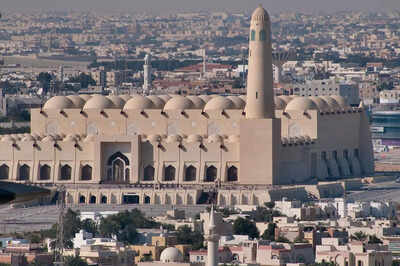
Planning I’tikaf in Qatar? New Ramadan Mosque retreat rules explained
Authorities in Qatar have issued new guidelines for Muslims planning to observe the traditional Ramadan mosque retreat, known as I’tikaf. The rules aim to ensure that worshippers can devote themselves to prayer while maintaining order, hygiene and respect inside mosques during the spiritually significant final days of the holy month.
The guidance was released by the Ministry of Endowments and Islamic Affairs (Qatar), which oversees religious affairs and mosque administration in the country.
Qatar's new Ramadan I’tikaf rules
The ministry has clarified eligibility criteria for those wishing to take part in the mosque retreat during Ramadan. Worshippers must generally be 18 years or older to participate independently. However, younger individuals between the ages of 8 and 18 may also participate if accompanied by a guardian.
Participation in mosque-based I’tikaf in Qatar is restricted to men, according to the organisational regulations applied to mosques during the holy month. Authorities say the rules are designed to manage space and maintain smooth operations inside mosques as large numbers of worshippers gather for late-night prayers and spiritual reflection.I’tikaf is a centuries-old Islamic practice in which a believer spends several days in a mosque focusing entirely on prayer, Quran recitation and remembrance of God, usually during the last ten days of Ramadan.
Mosque etiquette during I’tikaf
The ministry’s guidelines also outline how participants should conduct themselves inside mosques while observing the retreat. Worshippers are required to use designated areas for sleeping and eating, ensuring that common prayer spaces remain organised and accessible for everyone.Participants are also urged to maintain personal hygiene and cleanliness within mosque premises, and to respect mosque property and facilities.
Authorities warn against actions that could disrupt the spiritual environment, such as unnecessary conversations or activities that disturb other worshippers.To preserve the appearance and sanctity of mosques, worshippers are also instructed not to hang clothes on walls, columns or furniture, and to follow all instructions issued by mosque management teams.
Ramadan worship in Qatar
Mosques across Qatar are preparing to host large numbers of worshippers during the final nights of Ramadan, considered the most spiritually significant period of the month.Authorities are expanding religious programs across the country, including Quran recitation circles, lectures and community initiatives aimed at deepening religious awareness. Mosques are also being equipped to accommodate worshippers attending Taraweeh and Qiyam prayers during the holy month.The Ramadan retreat remains one of the most cherished spiritual practices for Muslims worldwide, offering believers an opportunity to step away from daily routines and dedicate themselves to prayer, reflection and devotion during the final days of fasting.







 English (US) ·