

 2 hours ago
4
2 hours ago
4
ARTICLE AD BOX
3 min readUpdated: Feb 13, 2026 04:15 PM IST
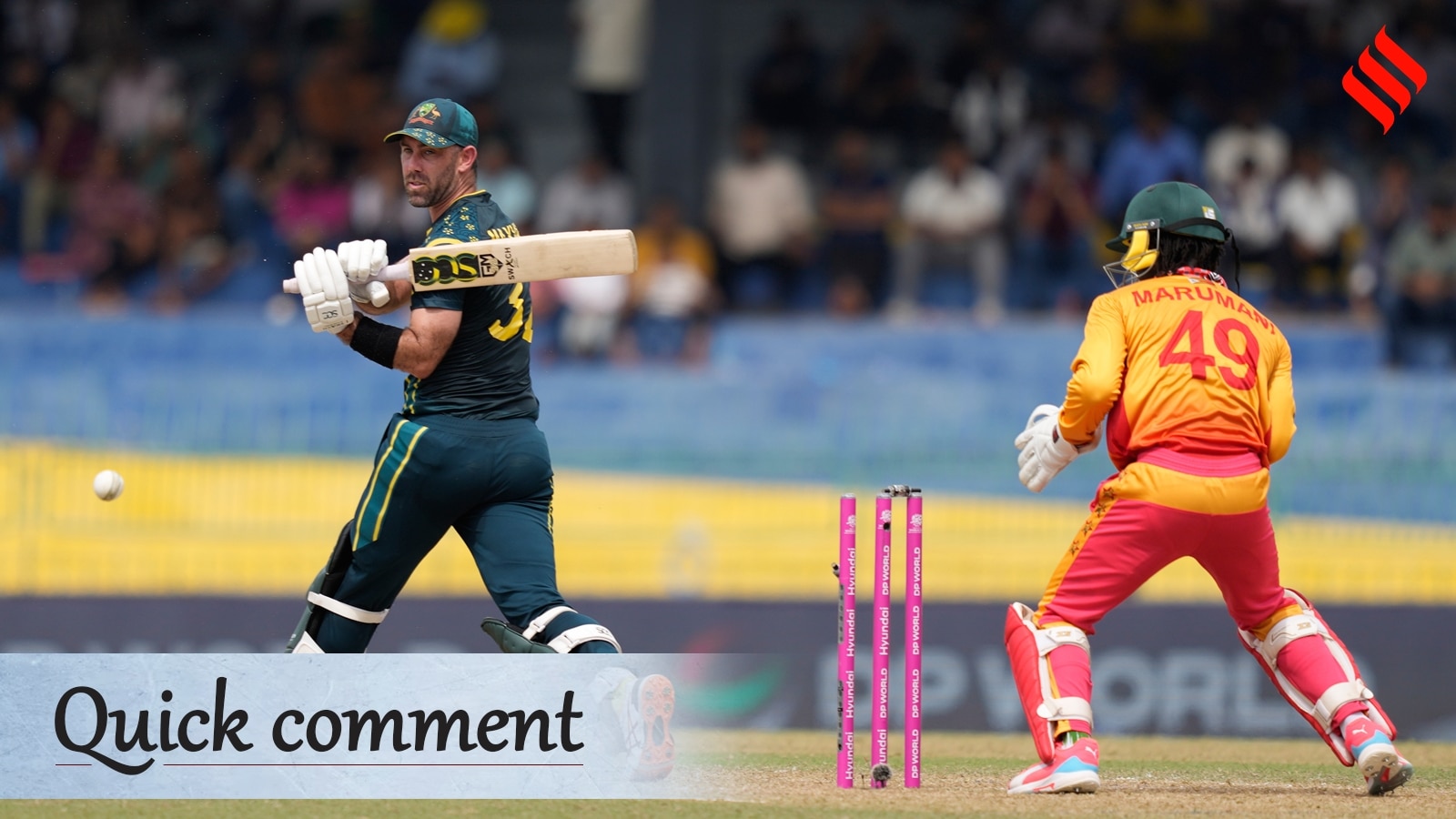 As much as the victory is a timely fillip for Zimbabwean cricket it holds the mirror to Australia cricket’s peculiar relationship with the shortest format. (AP Photo)
On a sunny Colombo afternoon, Zimbabwe etched a famous moment in their cricket history, one that holds the potential to change the game’s appeal and reach in the country. They thrashed—not scraped or edged—the absolute cricketing royalty in world cricket, Australia. The former world champions are injury-ridden, form-affected, and do not boss the format as much as they do the longer versions. But historically, they are skilled at negotiating bumps and hurdles. Like leopards, the kangaroos don’t change their stripes.
But on Friday, it was their humble African adversaries that exhibited the virtues of belief and resilience. First, they did not psychologically surrender to their more decorated opponents, a team they have beaten only in this format, before their exile and their dark days of mediocrity. Throughout the game, Zimbabwe wielded the ascendancy. Australia’s bowling could be without the holy trinity of Mitchell Starc, Josh Hazlewood and Pat Cummins, but the likes of Ben Dwarshuis, Adam Zampa, and Nathan Ellis are bowlers with reputation. Cameron Green is one of the most expensive IPL purchases ever; among Zimbabweans only Sikandar Raza has ever featured in the league. Apart from the Bangladesh Premier League, they don’t incite much interest.
Yet, they subdued Australia in every department. On a sluggish surface, they showed the know-how to accumulate than blast the runs. The 22-year-old Brian Bennett, one of the bright lights of Zimbabwean batting, compiled a 64 off 56 balls, conquered, to lay the platform for others like Sikandar Raza and Tadiwanshe Marumani to accelerate and improvise. With the ball, they probed and harried the batting line-up that included Josh Inglis, Travis Head, Tim David, Marcus Stoinis, and Glenn Maxwell, who could, on their day, win games on their own against stronger nations.
As much as the victory is a timely fillip for Zimbabwean cricket it holds the mirror to Australia cricket’s peculiar relationship with the shortest format. It has won the World Cup once, but they have reached the semifinal or final just thrice in eight instances. The defeat has jeopardised their prospects this edition too. Australia prioritises Ashes, Test cricket and ODI World Cups, the shining stars of its solar system. The T20I World Cups are merely like satellites.
Premature exits don’t instigate public outrage or result in the rolling of heads. The pain heals quickly. They are obsessed about the Big Bash Leagues as Indians are to IPL or Pakistanis to PSL. It’s something of a routine sideshow with little recall value. Australia have not discovered superstars from the league, like India unearthed Jasprit Bumrah and Varun Chakaravarthy among others. The defeat, in many ways, was a reflection of Australia’s strange relationship with the format. Just that a disciplined group of unfashionable cricketers exposed their historical indifference towards the format. The defeat, thus, is not an aberration that can be reduced “just an off day” but one that lays bare the deeper malaises affecting Australia’s T20 cricket.








 English (US) ·