

 1 hour ago
4
1 hour ago
4
ARTICLE AD BOX
5 min readFeb 12, 2026 04:53 PM IST
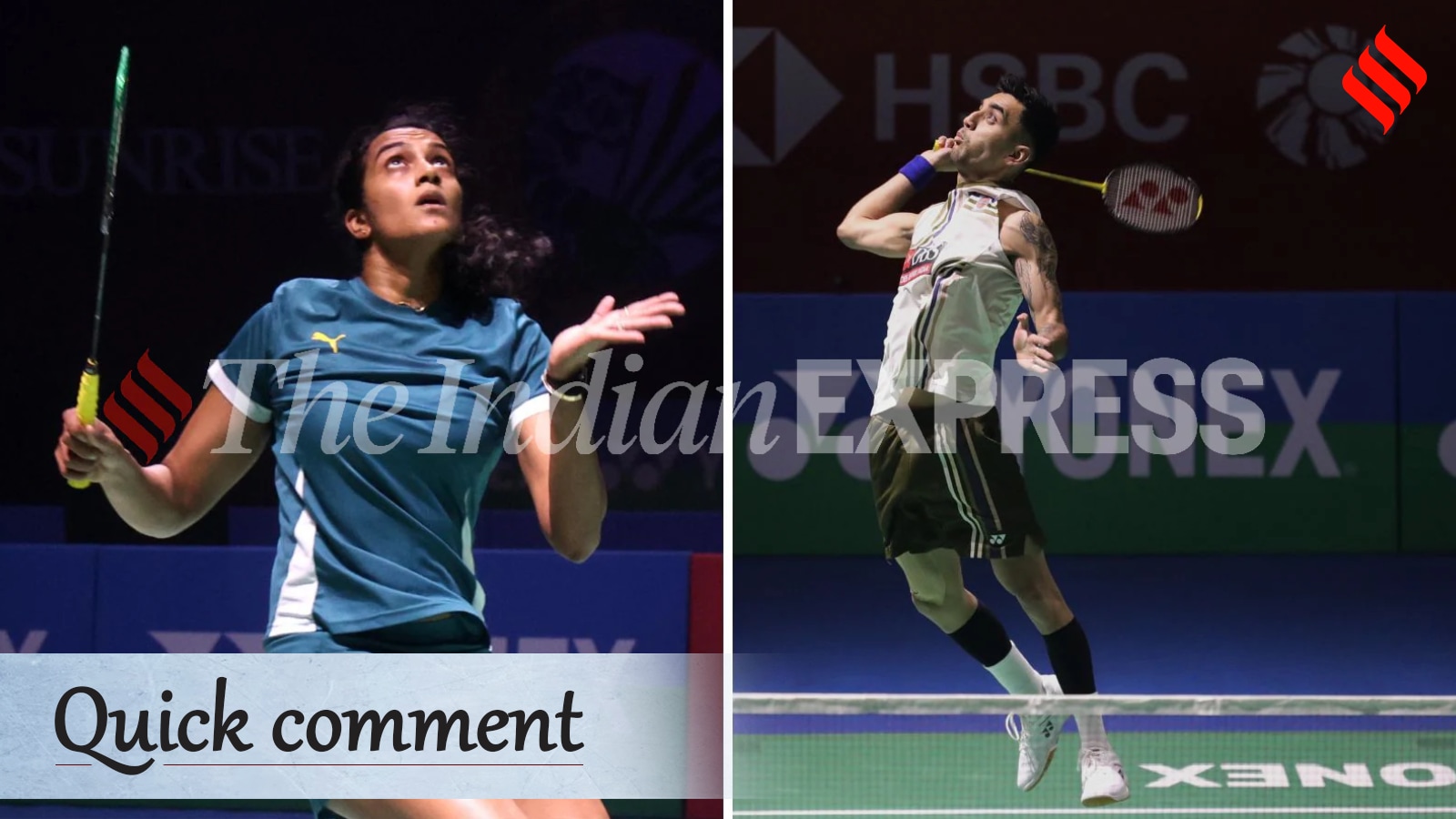 Top Indian badminton players PV Sindhu and Lakshya Sen in action. (Express photo by Amit Mehra and Abhinav Saha)
The Badminton World Federation AGM 2026 at Horsens, Denmark, will put to vote the new 3×15 scoring system as the official scoring format for badminton. Given the BWF’s persistent trialing over the past few years drawing from testing and statistical analysis while willing for the system to work, the world body are expected to thrash out a consensus, though huge worries exist.
Last November, the new proposed format was firmed up, and earlier this week a broadcast update revealed that more matches will be telecast from Super 1000 events. All of it points to badminton headed towards this snappy outcome – exciting in the moment, but not exactly enduring.
The match will contract to 3×15 system (with setting to 21) if the vote goes through, and the BWF claims it “provides the best balance of match excitement, competitive fairness, player welfare, and tournament presentation.”
3×15 wormed into the Alternative Laws of Badminton quite a while back, and was deployed at the BWF World Junior Championships 2025. All the BWF talk about “player welfare, sustainability and innovation” translates to shorter matches, and BWF makes no pretences saying, they want to “support players in their pursuit of excellence, enabling them to enjoy longer, more successful careers in the sport.” it also cuts to the chase quicker, with more close-score situations and more ‘exciting points’, as per the press release. The endgame is summoned quicker, so no taut tension till 17-all and then the denouement. Shorter matches help organisers pack in more of them, and put all on TV. It cuts down the fatigue.
ALSO READ | How the proposed new scoring system would change badminton’s landscape
But is BWF sinking quality for quantity, in the guise of easing up fatigue for players? Badminton for long a stamina – endurance test, will get scrunched into a snap-smash-clap-clap groove. With a 3×15, it ceases to challenge players on how they respond in the crunch moments, because the concept of ‘clutch’ is watered down. It becomes a lottery or lucking out almost. Stray net chords, freak line drops, one clever serve can decide titles. Though BWF underestimates its players’ ability to drag out even a 15-point set, thrice over, to nearing the hour-mark. It happened with the 21 points too.
How might it pan out for Indians? For its ageing players, and those on injury-maintenance, there’s tiny respite, few points to play, less shuttles to retrieve, hastening of the endgame. The likes of Kidambi Srikanth, HS Prannoy, PV Sindhu can look to extend their careers – Srikanth might even enjoy this one, as will Lakshya Sen and Ayush Shetty who can control pressure cookers and play his tricks early in the piece, before he starts to tire. It brings Priyanshu Rajawat back in the mix. Satwik-Chirag and Treesa-Gayatri aren’t too shabby at striking early too. Many shoulders and knees will be grateful, the Japanese might frown.
ALSO READ | 21×3 vs 15×3: Badminton’s needless itch to tinker with scoring system
Story continues below this ad
But a bunch of Indians are notoriously slow starters, taking time to adjust to conditions, and 15 fetches up quite quickly. It can get tricky for Prannoy, Sindhu and even a Tanvi Sharma, as was seen at the World Juniors final.
3X15 definitely waters down the fundamental ethos of badminton, a steady build up towards the decisive stage, where both players can launch multiple comebacks within a match. Pacing tends to be important, and 3X15 won’t necessarily be less intense, if the format is aiming to keep things exciting at all times, and make every point high-risk, reducing margins of error. It definitely punctures the drama of the 21, which boasted some classics not only in women’s singles and Lin Dan-Chong Wei peaks, but also added rich depth to the contest.
Essentially arising out of Europe, the idea could face some resistance from China and Indonesia, who bank on the skills executed by their players, when stamina levels are dropping both sides. But injuries from the crazy schedule have flattened entire fields and the world body would much rather cut down on match length than number of tournaments. Given BWF is confidently striking forward with the proposals, chances are the change is a net-tap away.
Don’t be surprised if Carolina Marin (recovering from one more surgery) and Tai Tzu Ying have a rethink and mull over their (real and presumed) retirements. And Viktor Axelsen starts readying to boss over Kunlavut, Kodai, Lakshya and even Antonsen. 3X15 suits him best.

Shivani Naik is a senior sports journalist and Assistant Editor at The Indian Express. She is widely considered one of the leading voices in Indian Olympic sports journalism, particularly known for her deep expertise in badminton, wrestling, and basketball. Professional Profile Role: Assistant Editor and Columnist at The Indian Express. Specialization: While she covers a variety of sports, she is the primary authority on badminton for the publication. She also writes extensively about tennis, track and field, wrestling, and gymnastics. Writing Style: Her work is characterized by "technical storytelling"—breaking down the biomechanics, tactics, and psychological grit of athletes. She often provides "long reads" that explore the personal journeys of athletes beyond the podium. Key Topics & Recent Coverage (Late 2025) Shivani Naik’s recent articles (as of December 2025) focus on the evolving landscape of Indian sports as athletes prepare for the 2026 Asian Games and beyond: Indian Badminton's "Hulks": She has recently written about a new generation of Indian shuttlers characterized by power and physicality, such as Ayush Shetty and Sathish Karunakaran, marking a shift from the traditionally finesse-based Indian style. PV Sindhu’s Resurgence: A significant portion of her late-2025 work tracks PV Sindhu’s tactical shifts under new coaching, focusing on her "sparkle" and technical tweaks to break out of career slumps. The "Group of Death": In December 2025, she provided detailed tactical previews for Satwiksairaj Rankireddy and Chirag Shetty’s campaign in the BWF World Tour Finals. Tactical Deep Dives: She frequently explores technical trends, such as the rise of "backhand deception" in modern badminton and the importance of court drift management in international arenas. Legacy and History: She often revisits the careers of legends like Saina Nehwal and Syed Modi, providing historical context to current Indian successes. Notable Recent Articles BWF World Tour Finals: Satwik-Chirag have it all to do to get through proverbial Group of Death. (Dec 2025) The age of Hulks in Indian badminton is here. (Dec 2025) Treadmill, Yoganidra and building endurance: The themes that defined the resurgence of Gayatri and Treesa. (Dec 2025) Ayush Shetty beats Kodai Naraoka: Will 20-year-old be the headline act in 2026? (Nov 2025) Modern Cinderella tale – featuring An Se-young and a shoe that fits snugly. (Nov 2025) Other Sports Interests Beyond the court, Shivani is a passionate follower of South African cricket, sometimes writing emotional columns about her irrational support for the Proteas, which started because of love for Graeme Smith's dour and doughty Test playing style despite being a left-hander, and sustained over curiosity over their heartbreaking habit of losing ICC knockouts. You can follow her detailed analysis and columns on her official Indian Express profile page. ... Read More
© The Indian Express Pvt Ltd







 English (US) ·