

 1 week ago
10
1 week ago
10
ARTICLE AD BOX
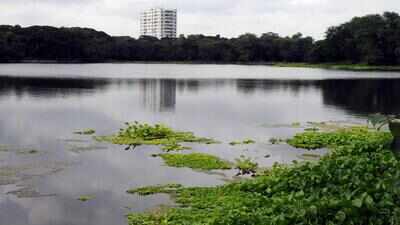
Kolkata's largest biodiversity park, Rabindra Sarobar, could start charging visitors after 10am under a proposal currently before the state urban development department. The idea resurfaced after the team of the Minister of Urban Development and Municipal Affairs, West Bengal, inspected the lake and, during the same visit, acknowledged that its bed has not been dredged in 15 years, that untreated waste may be entering the water from nearby structures, and that several constructions on the premises are still awaiting clearance.
Passes for regular morning walkers are expected to remain free until 10am, with the proposed paid model likely to be based on Salt Lake's Banabitan, where visitors currently pay ₹10 in the early hours and ₹50 for the rest of the day.The inspection also highlighted a more serious concern – previous incidents of bacterial contamination in the lake that led to fish deaths, underscoring the extent of the water quality issues.
Taken together, the findings point to longstanding maintenance and infrastructure challenges that predate the proposal to introduce an entry fee. These include the lack of dredging, possible inflow of untreated waste and pending clearances for several structures around the lake – issues that would require administrative intervention beyond the introduction of paid entry.Yet, it is the proposed entry fee that has drawn the most attention.
For daily walkers and low-income visitors who rely on the park as one of the few free public spaces in the city, the move is being viewed as potentially exclusionary. Supporters, however, argue that charging an entry fee could help deter unruly visitors and generate funds for maintenance. At the same time, the inspection findings raise questions about whether funding alone is the primary challenge, given that many of the issues identified, such as delayed dredging, untreated waste inflow and pending clearances are unrelated to visitor footfall.Bird enthusiasts, many of whom have spent nearly two decades documenting the lake's seasonal visitors, have also raised concerns about the proposal. They point out that the most productive birdwatching hours typically begin after the morning crowds disperse and extend into the winter evening, precisely when the proposed entry fee would apply. They also cite the example of a nearby biodiversity park where the introduction of similar charges was followed by a decline in the regular birdwatching community, a situation they hope Rabindra Sarobar can avoid.Even as the proposal is still under consideration, discussions are underway on possible exemptions, including free access for regular morning walkers and potential waivers for researchers. Experts and regular visitors also note that long-pending challenges such as silt accumulation, drainage and water quality will require sustained conservation and maintenance efforts beyond any changes to the entry policy.-Monodeep Dey









 English (US) ·