

 1 hour ago
6
1 hour ago
6
ARTICLE AD BOX
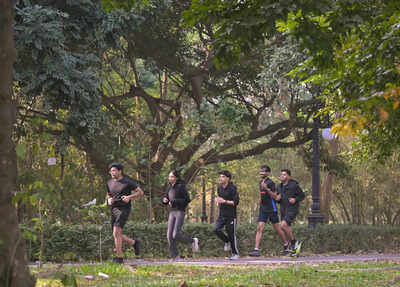
On any given morning at Rabindra Sarovar, the lake feels like a city within the city. Runners circle the track, birdwatchers scan the trees for rare sightings, a group gathers to sing under the open sky, and a little further away, older residents stretch into their daily yoga routine.
Over the years, Sarovar has evolved far beyond a green escape - it has become one of Kolkata’s most vibrant community spaces, where strangers meet, routines turn into rituals, and small groups slowly grow into lasting communities.
Pics Anindya Saha
What it was thenFor decades, Rabindra Sarovar functioned as one of Kolkata’s everyday refuges, a place where people came for walks, conversations under trees, or solitary routines rather than organised community activities.
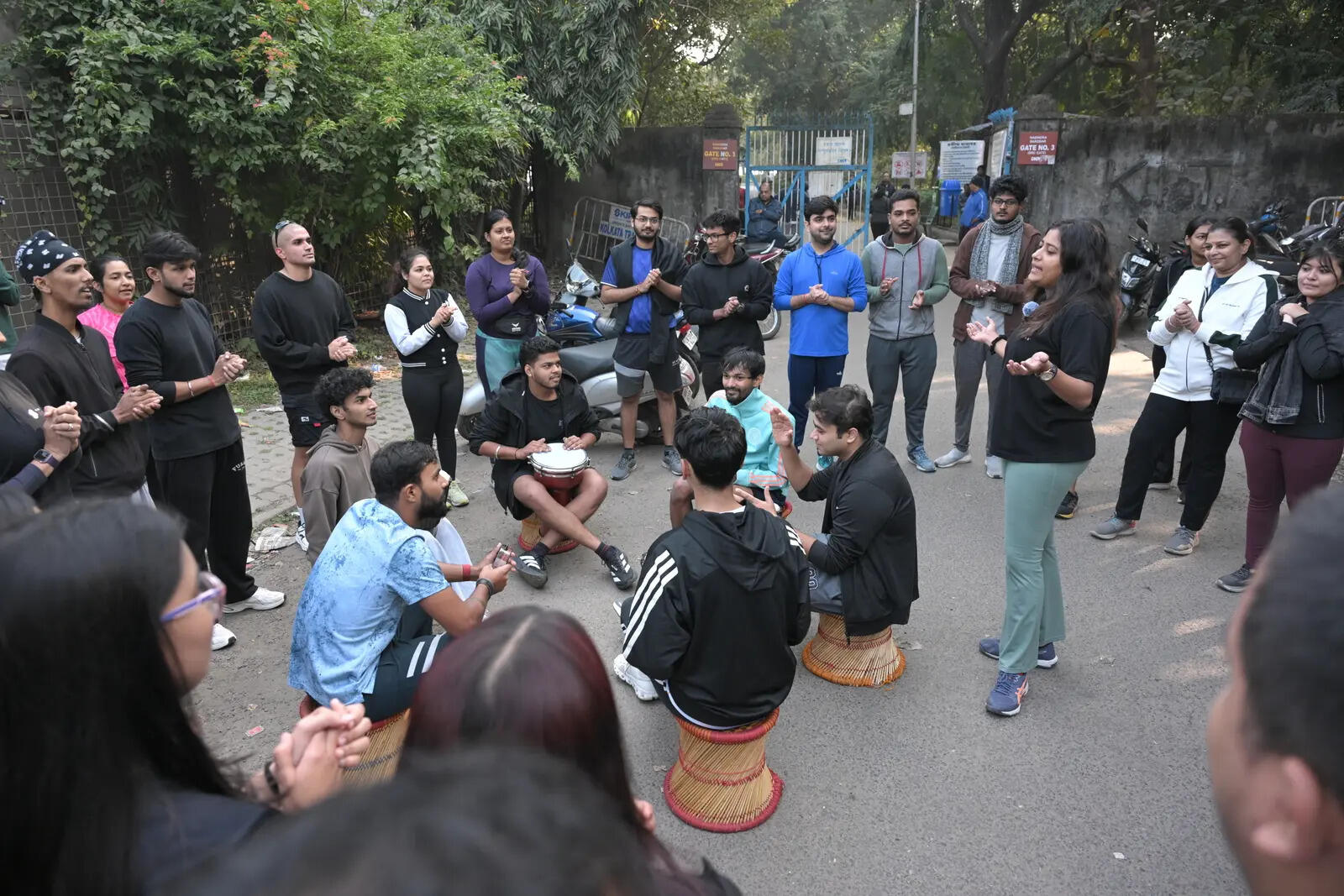
Cultural gatherings did exist, but often in more formal forms. “There had been organised programmes with sound systems and instruments where local talents performed and sometimes well-known singers joined in,” recalls Dr Kallol Banerjee.
Over time, restrictions on electronic instruments brought many of those events to an end, returning the space to a rhythm. Nature enthusiasts had also long been drawn to the lake.
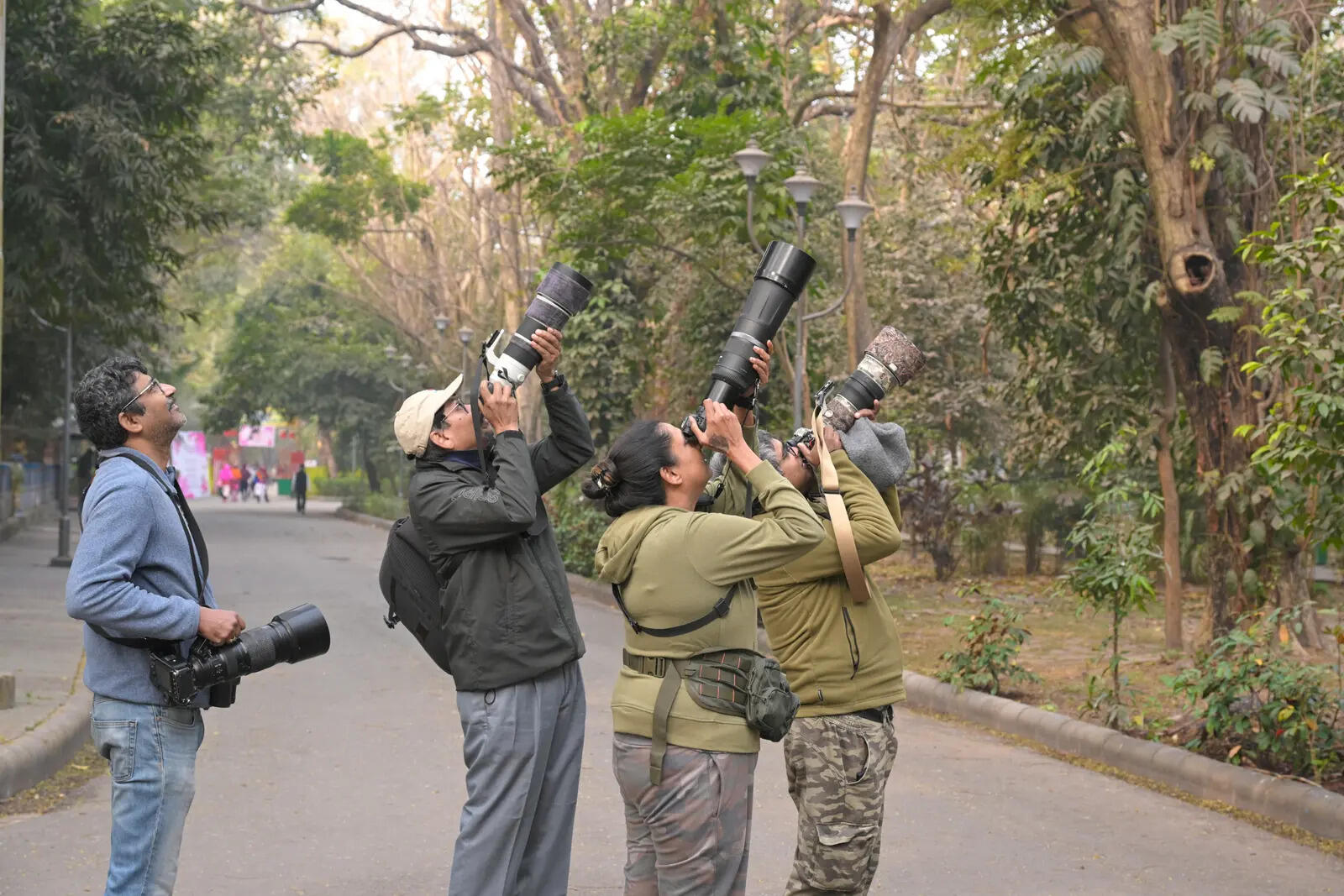
Photographer and birdwatcher Sudip Ghosh, who has been visiting since the late 1970s, remembers when even photography around parts of the lake was restricted. “There were boards everywhere saying photography was prohibited. Whenever I went there with my camera, the police would warn me,” he says. Fitness activities too existed mostly as personal routines, walkers and joggers circling the track daily, older residents gathering for yoga, creating a space where different habits coexisted without necessarily forming defined communities.
What it is nowOver the years, many of those individual routines have gradually evolved into vibrant communities that share the lake every morning. Birdwatching, which once involved only a handful of enthusiasts, has grown into a much larger network of nature lovers who exchange sightings through social media groups and travel from different cities when rare birds are spotted. “Over time we realised that many unusual species visit the lake, and that slowly drew more people interested in observing them,” says Ghosh.
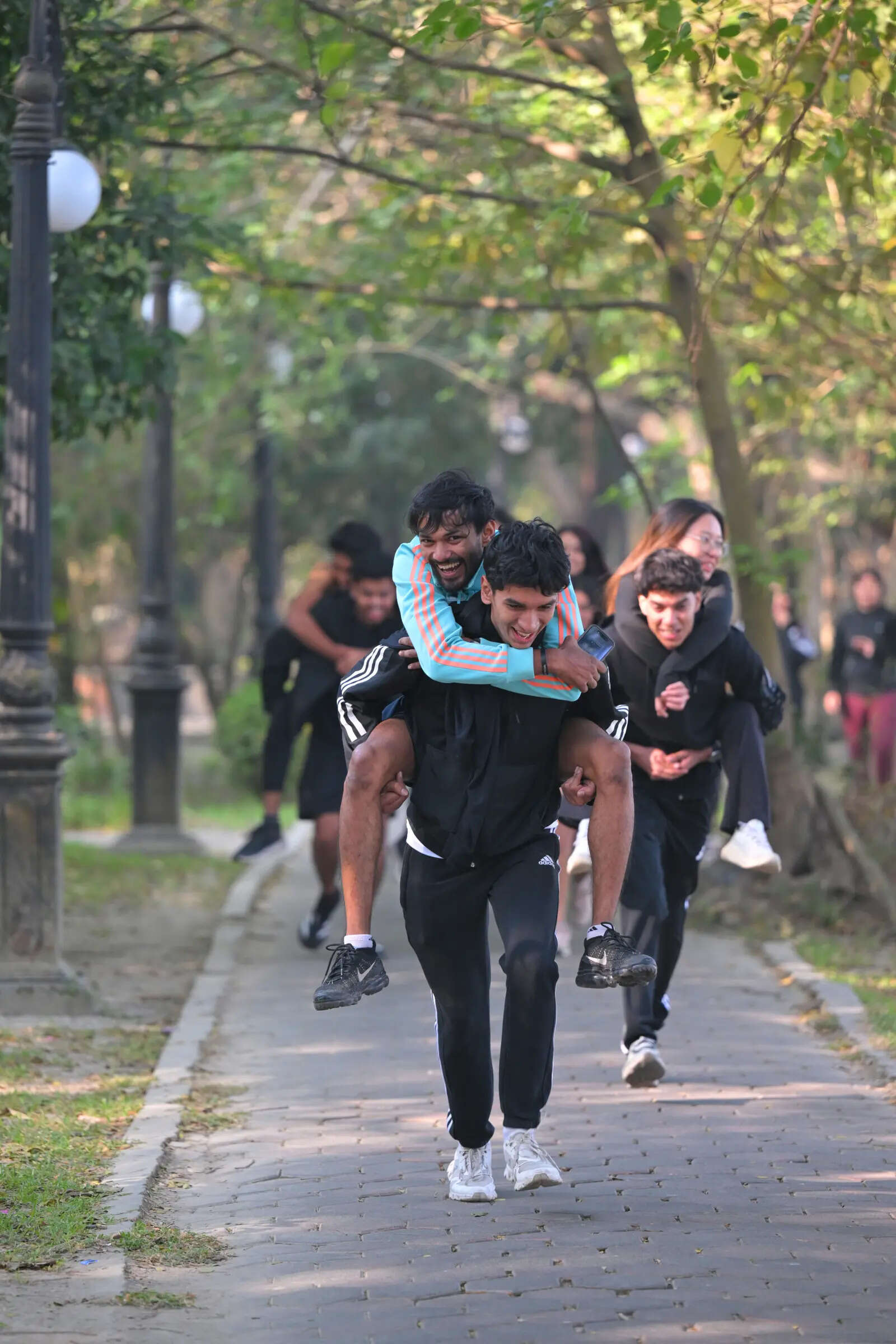
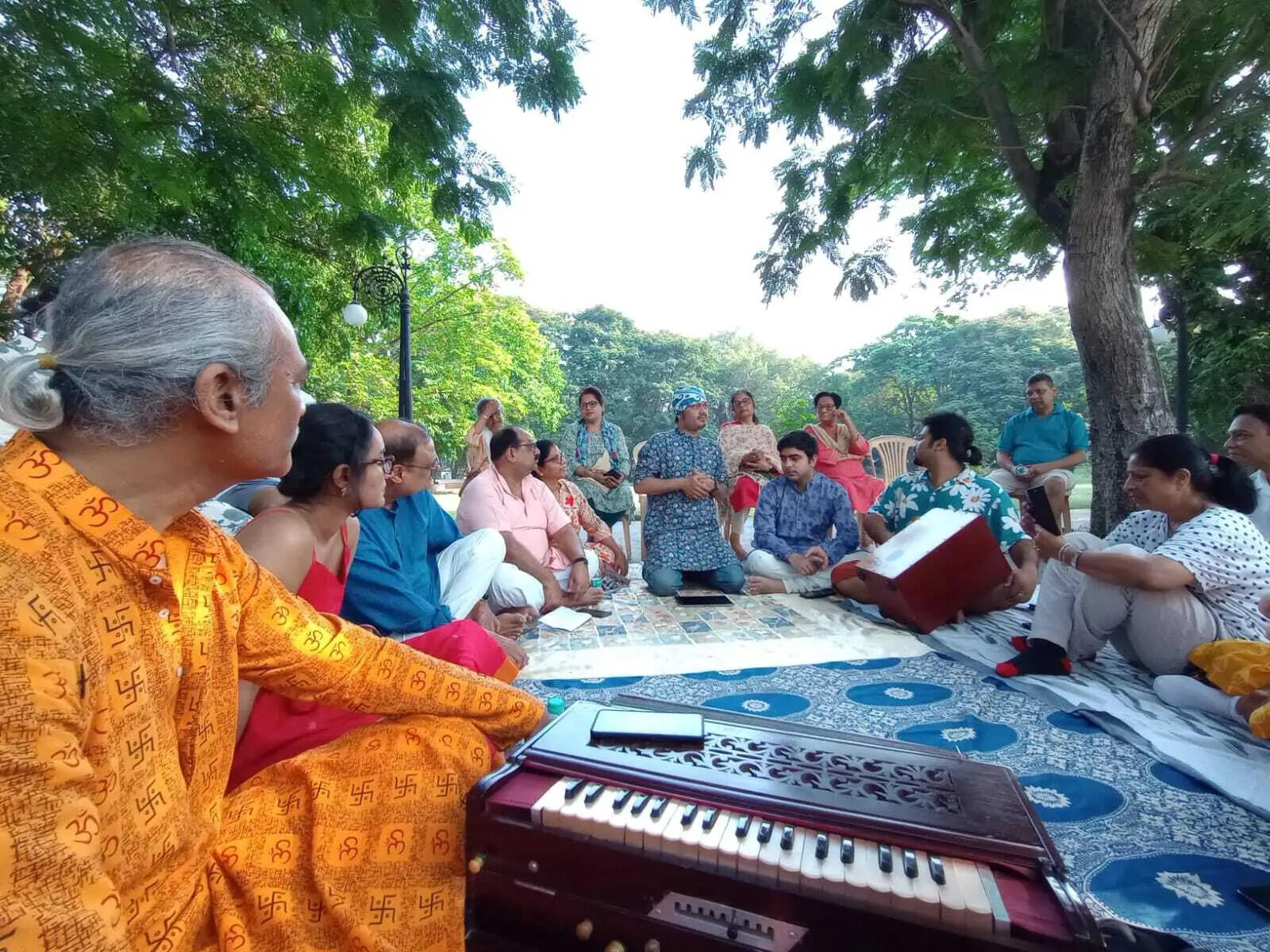
Fitness groups have also become a visible part of the Sarovar routine. “For groups like ours that organise runs around Rabindra Sarovar, it’s much more than just a running track,” says Munazir Hossain, founder of The Weekend Activity Club. “It’s a place where people come together with a shared goal of staying active while building real connections.” The environment itself encourages that sense of continuity. “Every day you’ll also see older residents practising yoga by the track. Watching their consistency is incredibly motivating for younger runners.” Meanwhile, music has returned to the lake in a quieter, more participatory form. “We began thinking that music doesn’t always need a stage or microphones, people can simply sit together and sing,” says Dr Banerjee. The informal singing circle that emerged now draws a mix of retirees, professionals and newcomers who gather on weekends, sometimes ending their sessions with tea and samosa by the water.
Why we love it
- Because Rabindra Sarovar is one of the city’s rare spaces where fitness and nature meet, from the 4-km lakeside track used daily by runners, walkers and joggers to yoga and laughter clubs that greet the morning together.
- Because the lake supports an extraordinary pocket of urban biodiversity, drawing birdwatchers and photographers hoping to spot kingfishers, cormorants, parakeets and migratory birds among the trees and islands.
- Because the water itself is part of the experience, with historic rowing clubs training on the lake since the early 20th century and turning Sarovar into one of Kolkata’s sporting hubs.
- Because creativity thrives here too: painters sketch the landscape, photographers chase golden-hour reflections, and informal cultural gatherings often unfold under the trees.
- And because in a dense city, few places offer this mix of sport, nature, culture and everyday community, all circling the same stretch of water.
Over the years, some of the Sarovar’s recreational offerings—like the toy train, paddle boating, and even organised cultural evenings—have gradually faded, shaped in part by evolving regulations and administrative constraints. Today, what remains is a quieter, more organic use of the space, with citizens informally leading activities such as yoga, music meet-ups, and fitness routines. While these efforts reflect strong community spirit, they remain small in scale. Given the Sarovar’s vast potential as a shared public space, there is clearly an opportunity for more structured support and collaboration between authorities and citizens to thoughtfully expand its recreational possibilities
Mudar Patherya









 English (US) ·