

 1 hour ago
3
1 hour ago
3
ARTICLE AD BOX
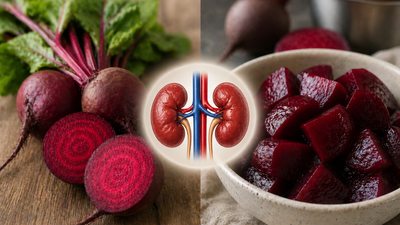
Beetroot is everywhere these days. Your gym buddy probably drinks the juice, your health-conscious aunt swears by it, and there's no shortage of Instagram posts about its miraculous benefits.
But if you are wondering if beetroot is actually your friend or someone you should keep at arm's length. The answer, like most things in nutrition, is more complicated than the hype suggests.
The oxalate problem
Here's the thing about beetroot: it's loaded with oxalates, and oxalates are kind of a big deal when you are talking about kidneys. Raw beetroot contains around 94.6 to 141.6 mg of oxalic acid per 100 grams, while beetroot juice can contain 300 to 525 mg per liter.
For context, the normal daily dietary intake of oxalate is estimated between 50 to 100 mg (this can vary), so a single glass of beetroot juice could put you at or above your entire day's intake pretty quickly.Why does this matter? Because approximately 75 percent of all kidney stones are primarily composed of calcium oxalate. When oxalates combine with calcium in your system, they can form crystals that build up in the kidneys and urinary tract.
For people with a history of kidney stones or those predisposed to kidney disease, this isn't a minor concern.
How boiling helps
So here's where boiling comes into play. Boiling reduces soluble oxalate content by 30 to 87 percent and was more effective than steaming, which reduced oxalates by only 5 to 53 percent. The reason boiling works is that some oxalates are water-soluble. When you dump the cooking water (which you should), a lot of those oxalates leave with it. But wait, there's a flip side to this story. Because beetroot also contains something that's genuinely good for your kidneys: nitrates. And this is where things get interesting for people with kidney disease, not just kidney stone risk.In a crossover study with 17 chronic kidney disease patients, supplementation with dietary nitrate from beetroot juice (300 mg) led to significantly reduced blood pressure and renal resistive index, a marker of kidney health, compared to placebo.
The study found that mean arterial pressure dropped more with beetroot juice than with a control treatment, and kidney function markers improved measurably.The mechanism is pretty straightforward. Beetroot contains nitrate, betaine, and betalain, bioactive compounds that have shown beneficial effects in chronic kidney disease, including reduction of blood pressure, anti-inflammatory effects, and antioxidant actions by scavenging radical oxidative species.
Your body converts dietary nitrate into nitric oxide, which relaxes blood vessels and improves blood flow—and healthy blood flow is critical for kidney function.
So what's the real answer?
If you don't have a history of kidney stones or calcium oxalate issues, boiled beetroot is basically fine. Here's where you need to be honest with yourself: if you have kidney stones in your past or your doctor has warned you about oxalates, boiling isn't a magic fix.
For the rare person with a condition like idiopathic calcium nephrolithiasis who needs a low-oxalate diet, a better high-nitrate vegetable choice would be arugula.
Cooking helps, but it doesn't eliminate the problem entirely. And beetroot juice? That's where you really need to be careful. For those with a history of kidney stones or other kidney-related issues, daily supplementation with a high-oxalate product like beetroot powder can be risky.The decision to eat beetroot should depend on your specific kidney situation. If you're healthy and just looking to eat more vegetables, boiled beetroot is nutritious and the oxalate content isn't something to lose sleep over. If you have chronic kidney disease without a stone history, the nitrate benefits might actually help your kidney function and blood pressure, just don't overdo it or switch to concentrated juice without talking to your doctor first.And if kidney stones are in your past? Talk to a nephrologist or dietitian before making beetroot a regular part of your diet, cooked or not.









 English (US) ·