

 6 days ago
6
6 days ago
6
ARTICLE AD BOX
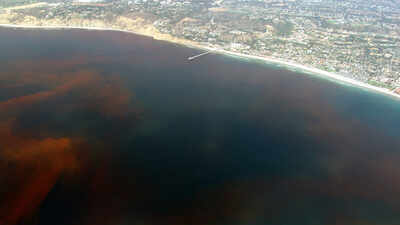
Florida's sunny beaches are facing a hidden economic threat: toxic algae blooms. These natural occurrences are silently costing coastal businesses millions. A recent study reveals that as algae levels rise, people avoid shorelines, leading to significant drops in customer visits and spending at local eateries and shops. Image Credits: Wikimedia Commons
Imagine walking along a sunny Florida beach street, expecting coffee and salt air. Instead, the air can become thick enough to trigger coughing and make breathing difficult. Further out into the ocean, a dull, rusted patch covers the previously bright blue waves of the sea.
Toxic algae blooms have been a nuisance to locals and tourists for years. However, a recent data-driven look at the problem shows that these natural threats are silently causing severe economic damage to small business establishments.When harmful algal blooms appear, people often stay indoors or move farther from the shore. As a result of this simple response to the situation, an enormous economic domino effect is unleashed, which isolates those businesses near the shores.
In the case of the big commercial fisheries and luxury resorts, their financial losses are known to everyone.Now, a study published in the journal Environmental Research Letters has finally quantified this invisible commercial strain. The research paper analysed a massive wealth of data spanning from 2019 to 2023. By using high-frequency anonymous mobile tracking signals across Florida's coastal counties, the research team found a decline in human foot traffic.
The data suggest that as algae cell counts rise, consumer visits and time spent at local businesses decline, translating into millions of dollars in estimated local losses.Empty tables and ghost aisles along the coastTo measure how the blooms affect behaviour, the researchers tracked consumer movement near local businesses. When toxic concentrations rise by one million algae cells per litre of water, the impact on local foot traffic is almost immediate.
According to the documented models, this specific level of environmental contamination causes a distinct drop in overall visits to local spots by nearly one per cent. More importantly, the total amount of time consumers are willing to hang around these areas shrinks by over one per cent, as individuals cut their outings short to escape the irritating coastal air.Such abrupt withdrawal from the streets affects the operations of neighbourhood eateries and grocery stores directly.
When the air is filled with aerosolised toxins from a bloom, outdoor dining and window shopping become less appealing. Consumers do not go through their usual morning ritual at the local bakery while holidaying families decide to travel inland to buy their groceries.The study shows that such minor changes in consumer behaviour all contributed to a financial disaster affecting the restaurant and grocery industries, with the loss of 1.2 million dollars in 2023 alone.
The study found that losses were largest in summertime, when algae levels tend to be highest.
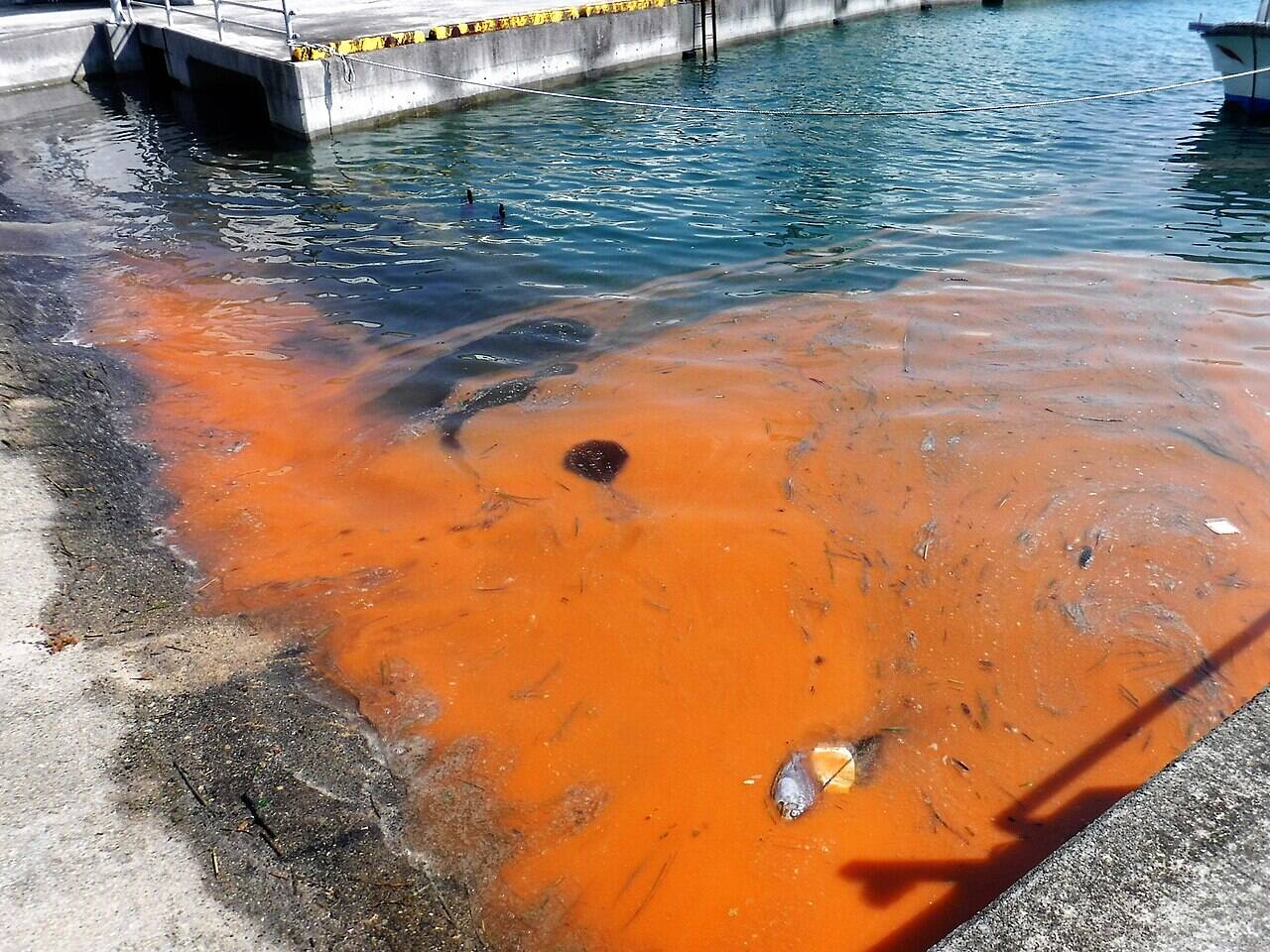
This invisible commercial strain, particularly severe in summer, jeopardizes the survival of small, family-owned establishments. Image Credit: Wikimedia Commons
A rising environmental hazard for neighbourhood commerceThe broader implications of these findings paint a troubling picture for the long-term survival of coastal business districts. Harmful algal blooms are intensifying in many places due to rising water temperatures and nutrient runoff, which may make these disruptions more common.
When a community is repeatedly subjected to these invisible commercial lockdowns, small family-owned businesses rarely have the financial cushion required to absorb consecutive seasons of lost revenue.Understanding the link between water quality and local mobility will be important for policymakers. Local communities should address toxic blooms as a threat to wildlife, and water quality should be recognised as a key factor in economic sustainability.Protecting coastal businesses will require addressing the environmental conditions behind harmful algal blooms. Supporting local businesses will require addressing the environmental challenges behind the blooms. Without coordinated action, the economic effects of harmful algal blooms are likely to continue.








 English (US) ·