

 1 hour ago
5
1 hour ago
5
ARTICLE AD BOX
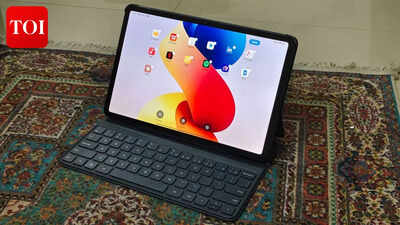
Xiaomi's new Redmi Pad 2 Pro offers a large 12.1-inch display, capable Snapdragon performance, and 5G connectivity for Rs 24,999. Its long-lasting 12,000mAh battery and decent speakers make it a versatile device for students and remote workers. While bulky, it excels in entertainment and light productivity, though it's not a laptop replacement.
Rating: 3.5/5Xiaomi's Redmi brand has been steadily gaining market presence in the tablet segment. The company recently expanded its tablet lineup with two new models, the Redmi Pad 2 and the Redmi Pad 2 Pro.
The Redmi Pad 2 Pro represents a clear step above the standard Pad 2 and last year’s original Redmi Pad.
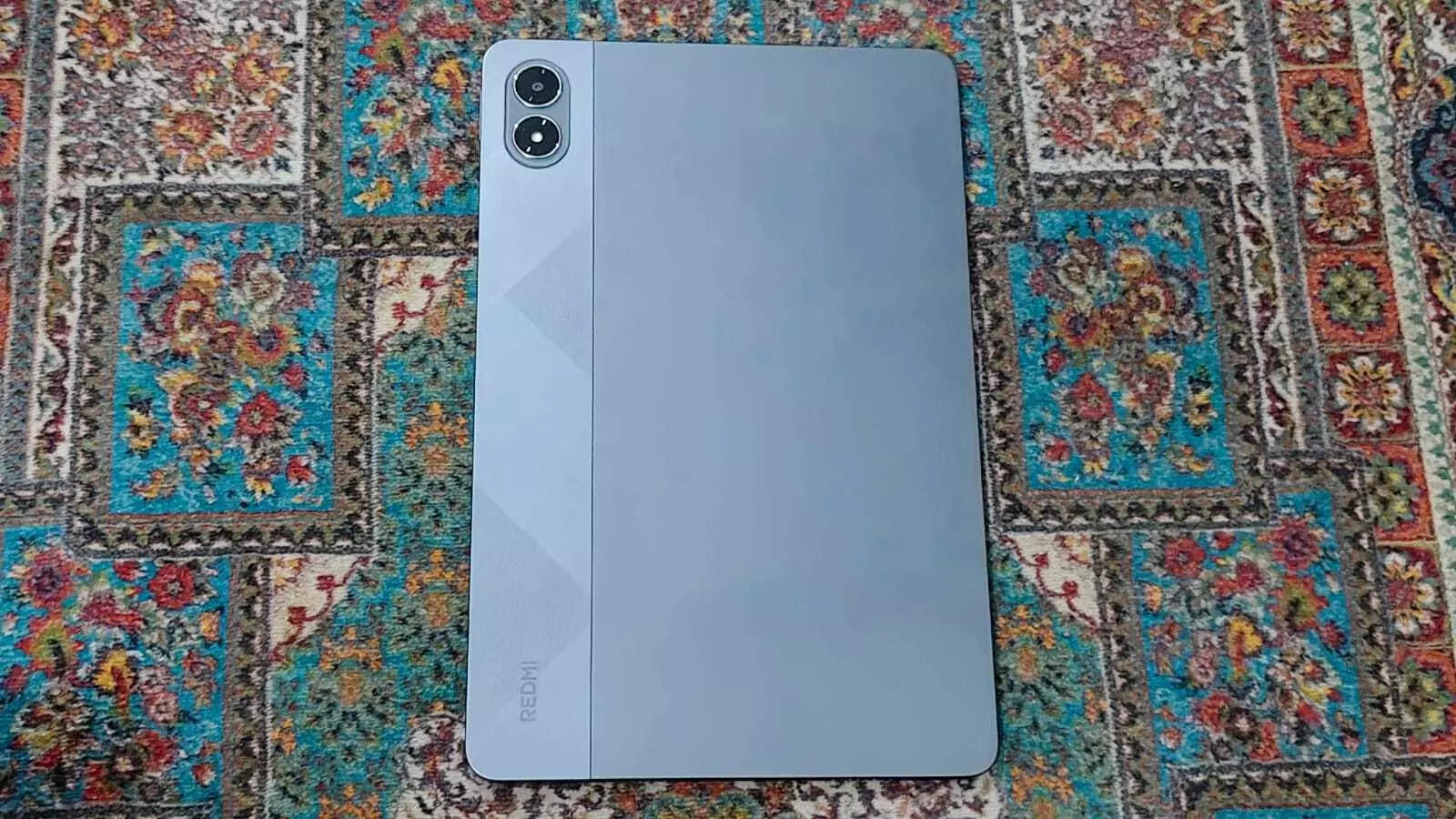
Priced at Rs 24,999, it brings a larger 12.1-inch screen, a Snapdragon processor, 5G connectivity, and a 12,000mAh battery to a segment where most buyers typically prioritise value over performance. The question is whether those upgrades justify the price jump and whether the fundamentals are solid enough to earn a recommendation.
We used the Redmi Pad 2 Pro over several days for video calls, streaming, document work, light gaming, and general browsing. Here's what we found out:
Design and display
The Redmi Pad 2 Pro is noticeably larger with a tall stance. At 279.80mm tall and 181.65mm wide with a 7.5mm profile, it sits comfortably in the "big tablet" category. At around 600 grams, it isn’t suited to one-handed use over long periods, as expected for its size.
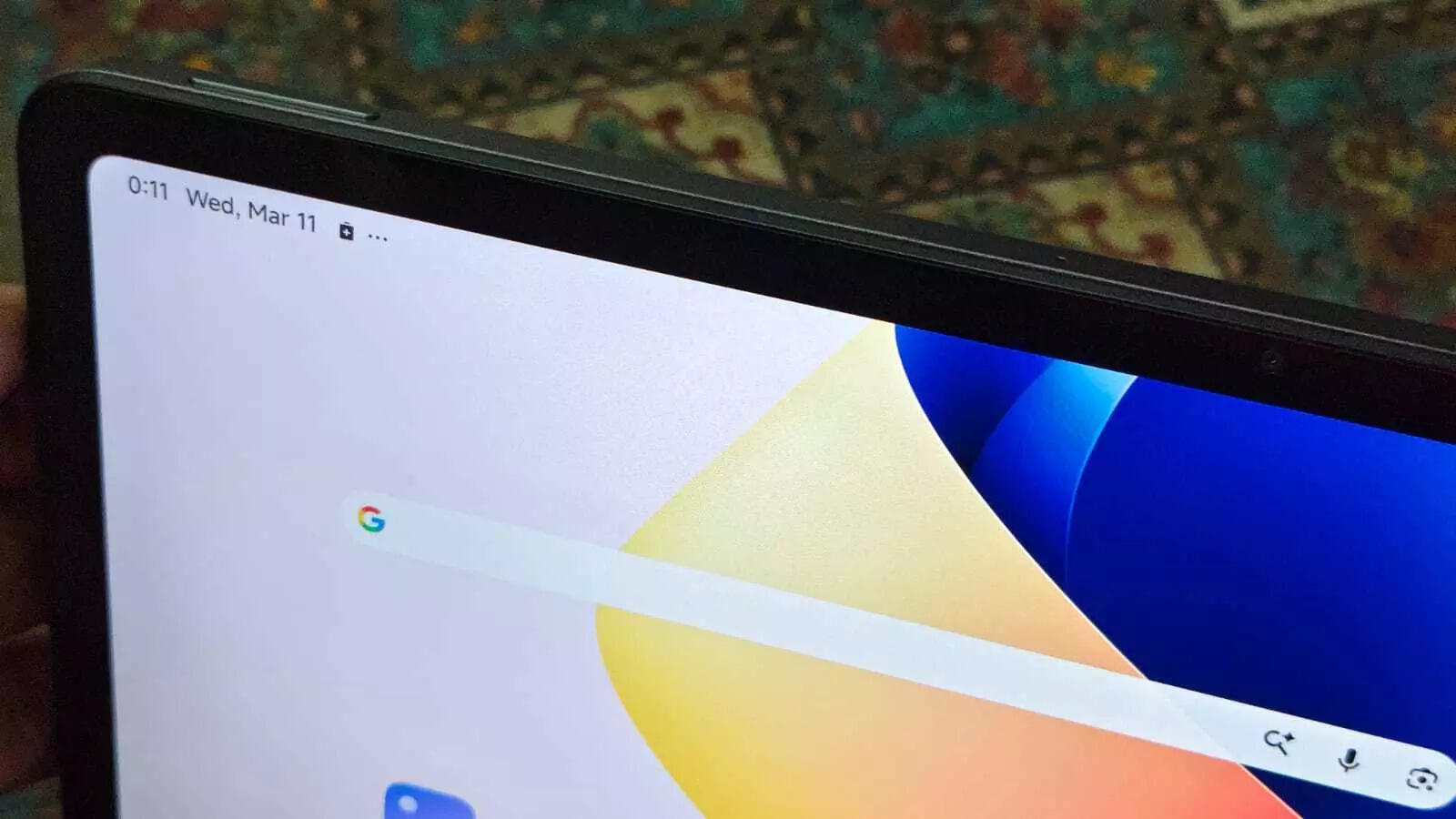
The build carries forward Xiaomi's familiar approach: an aluminium chassis, flat edges, and a matte rear finish.
It feels solid and well put together, without drawing too much attention to itself. The overall design is functional rather than distinctive, though the slim bezels around the display do add a cleaner look to the front.The 12.1-inch 2.5K IPS display is one of the clearest selling points. With a resolution of 2560x1600 at 249 ppi and a 120Hz refresh rate, scrolling through documents, feeds, and apps felt notably fluid throughout our testing.
The touch sampling rate of 360Hz (and 240Hz with the stylus) makes the screen responsive to both finger and pen input. The screen’s brightness reaches 600 nits, which holds up quite well indoors and in moderately lit outdoor conditions, though it still struggles in direct sunlight.
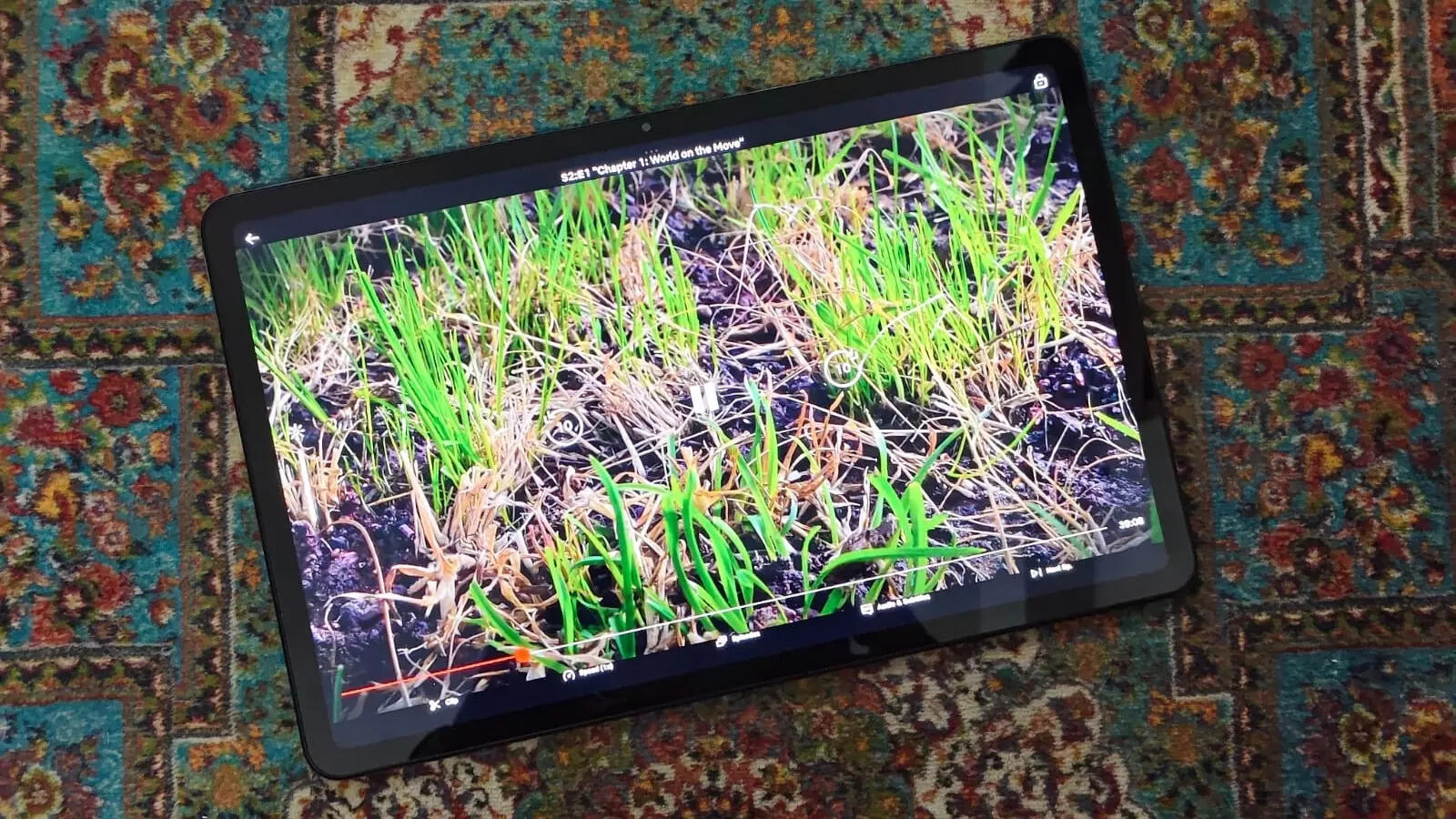
Watching movies such as Dhurandhar on this tablet is a pleasant experience. With Dolby Vision, high-contrast and dark scenes maintain their detail without falling into murkiness, and skin tones are natural rather than oversaturated.
The same held during the India vs New Zealand final at the ICC Men's T20 World Cup, as we watched fast-moving cricket on a 120 Hz panel, which meant the ball tracking across the outfield and quick cutaways to the dugout stayed sharp, with none of the motion blur that lower refresh rate screens tend to introduce during live sports.Gaming on the display had a similar effect. Modern Warships, in particular, benefited from the screen's color depth, as the ocean gradients and explosion effects looked decent without crossing into the overly vivid territory that some AMOLED panels can produce.
The 360Hz touch sampling also meant inputs felt immediate, which matters in fast-paced titles where a tap delay can cost you a move.
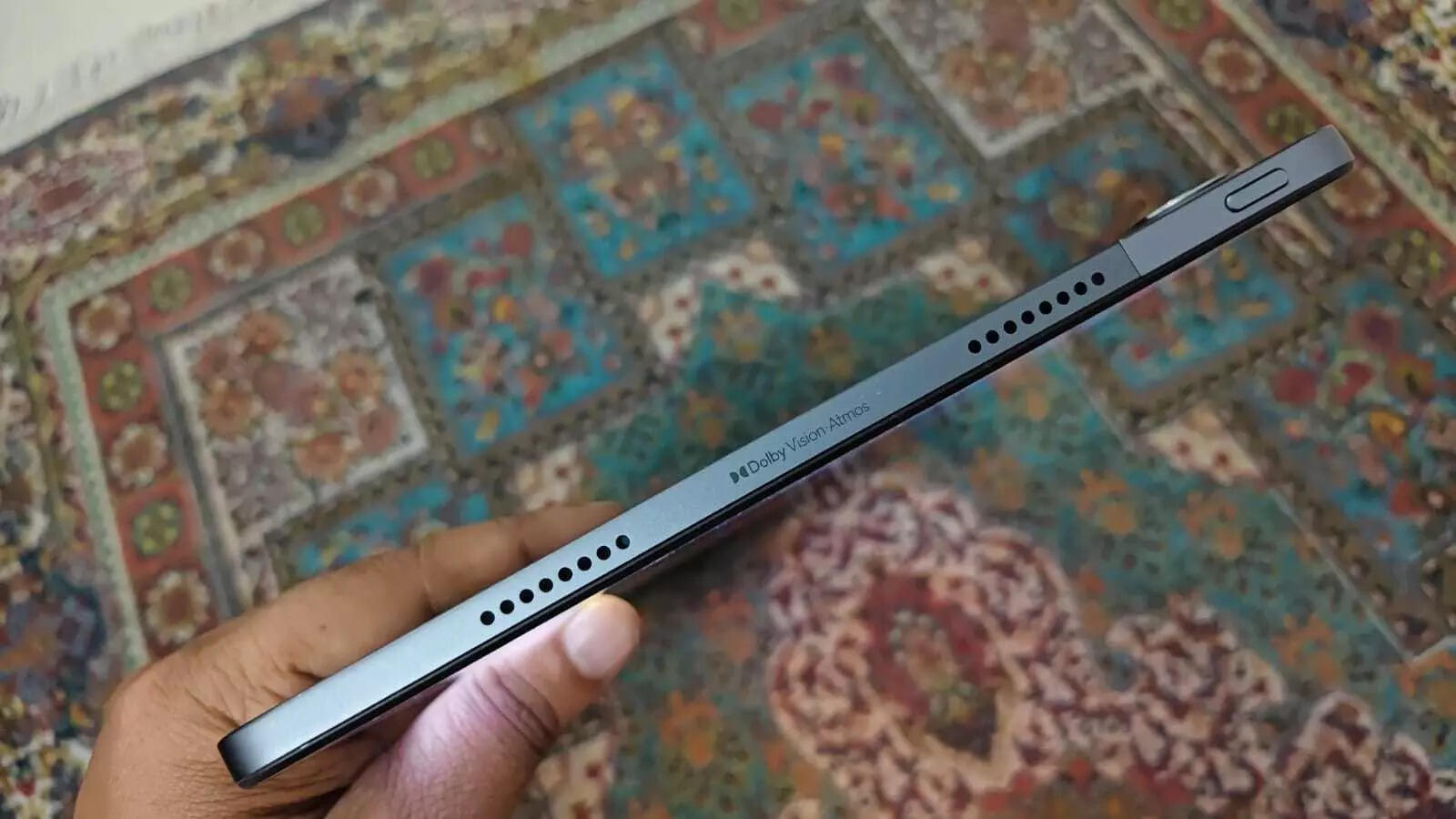
Reading was where the TÜV Rheinland certifications for Low Blue Light (which reduces eye strain), Flicker-Free (which eliminates screen flicker), and Circadian Friendly performance (which supports natural sleep patterns) quietly did their job. After an hour of reading through long-form articles and a few chapters of an e-book late at night, there was no eye fatigue that usually accompanies extended screen time.
The reading mode shifted the display to a warmer tone, making the experience closer to paper than to the screen.The tablet supports a stylus (sold separately), and the 240Hz touch sampling with the pen made handwriting and annotation feel natural and accurate. However, like the standard Pad 2, the stylus does not attach magnetically to the device and must be charged separately via USB-C, which remains an inconvenience for daily use.
The risk of misplacing it is real.
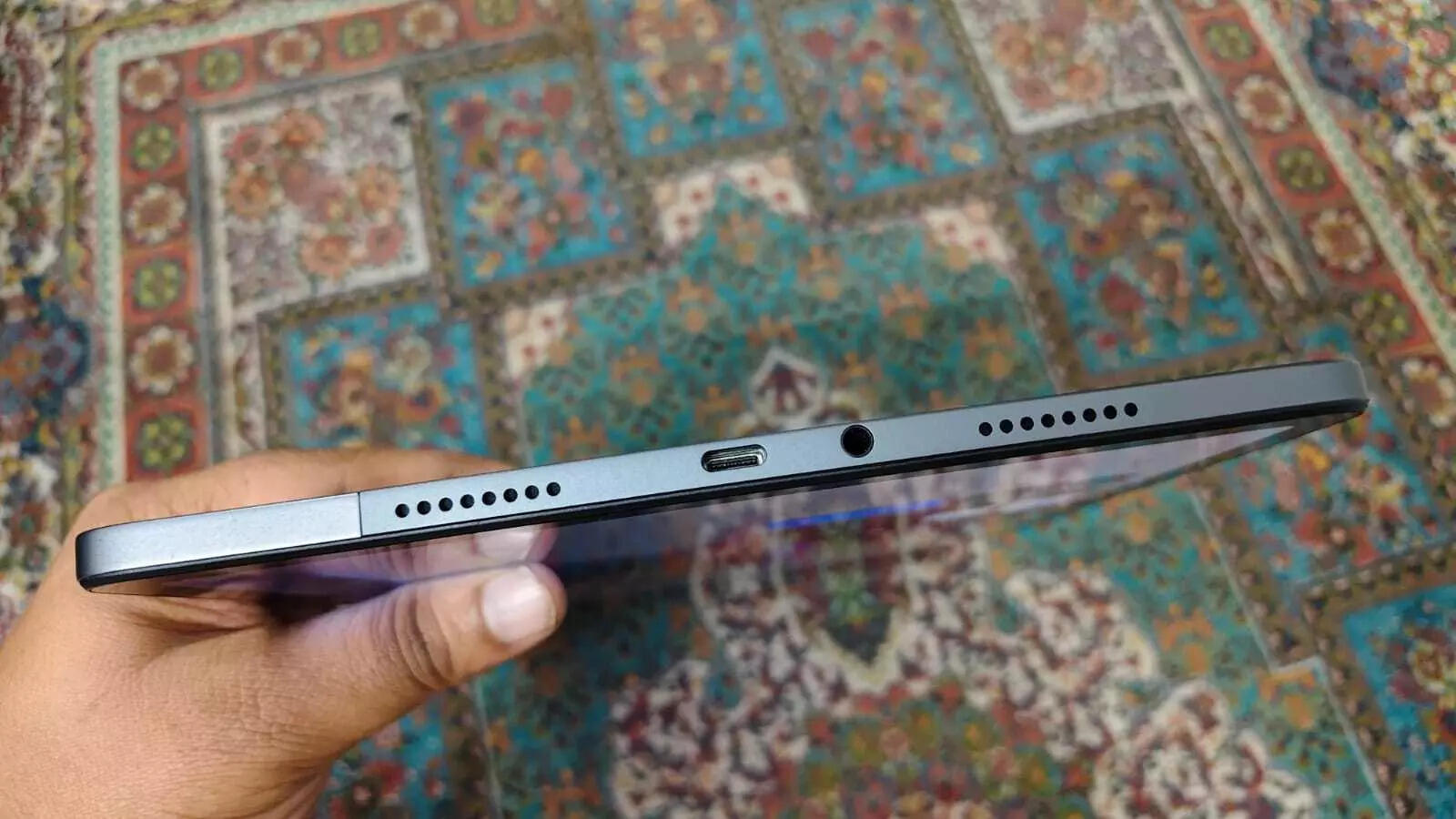
With a supported stylus, sketching felt fluid rather than laggy on the tablet. Light line work and shading in a notes app tracked closely to where the pen made contact, and the 240Hz pen sampling rate meant there was no visible gap between stroke and result. It is not a display built for professional illustration but for annotating PDFs, roughing out ideas, or handwritten journaling; it handled each without complaint.A quad-speaker setup with Dolby Atmos support handled audio duties reliably. Clarity was good enough across streaming, video calls, and music playback, and volume was sufficient to fill a small room without distortion.
The tablet also supports a keyboard that transforms into a folio cover and can be paired via Bluetooth. The keyboard folio, which is sold separately, helped us do light work like drafting emails, taking meeting notes, and working through documents.
These tasks were genuinely comfortable on the larger screen.
Performance and software
The Redmi Pad 2 Pro comes with a Snapdragon 7s Gen 4 SoC, running on a 4nm process. It also supports up to 8GB of LPDDR4X RAM and 256GB of UFS 2.2 storage. If you think you need more storage, you can expand it up to 2TB using a microSD card, perfect for those who enjoy keeping their media files locally.
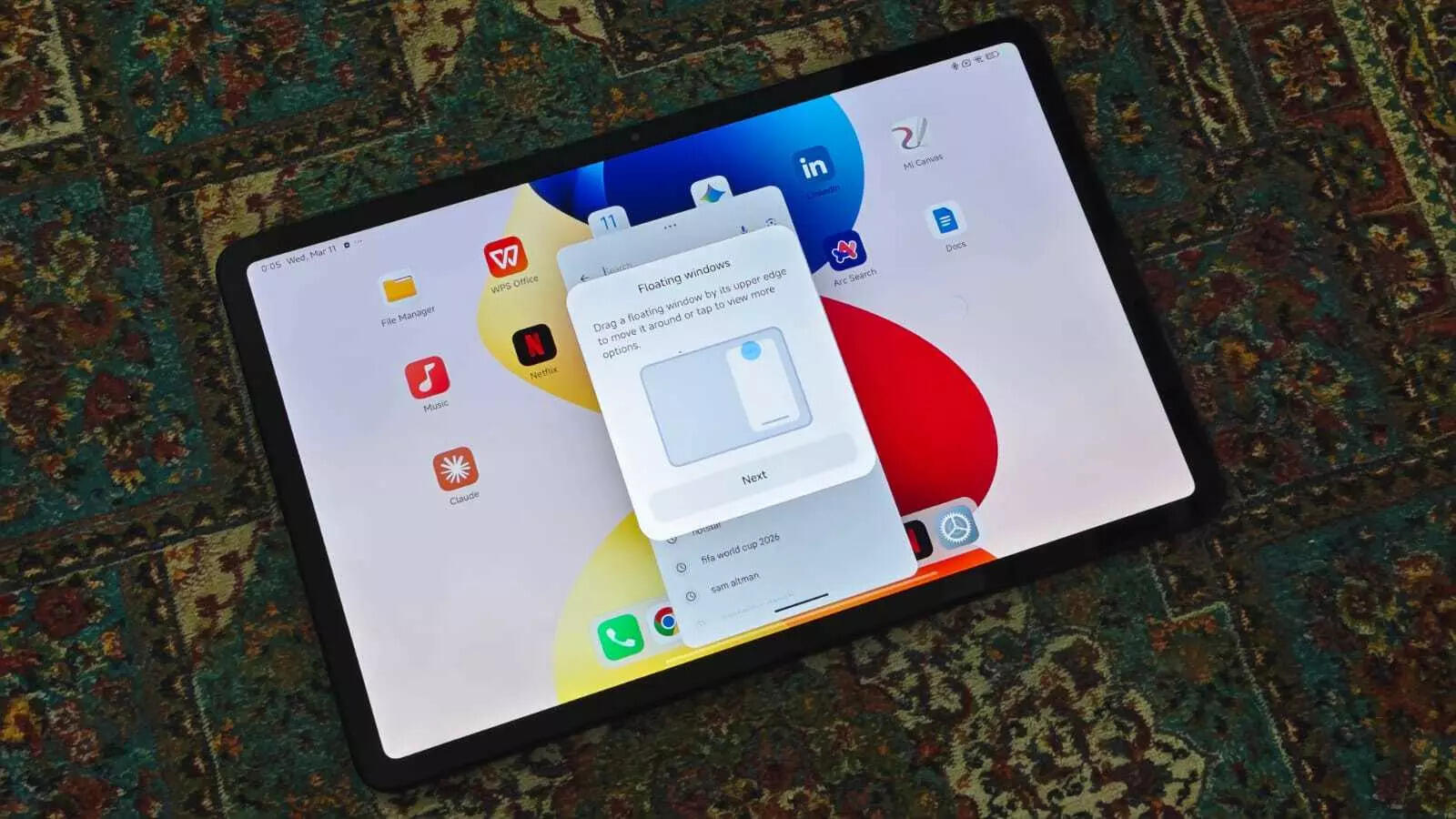
In regular usage, it performs all tasks smoothly. You can effortlessly switch between apps, edit documents, watch movies, and even browse the web.
It’s when you explore gaming on this device that it gets intriguing.BGMI on the Redmi Pad 2 Pro was a notably different experience from playing it on a phone; the 12.1-inch screen gave a wider field of view, making it easier to spot movement at a distance and track opponents across open terrain. We ran it at high graphics settings, and the Adreno 810 GPU kept frame rates stable through firefights and busy drop zones without stuttering.
The device slightly warmed up during longer sessions but stayed well short of uncomfortable, and it never throttled in a way that affected gameplay. We also tested a few other titles, including Modern Warships and Asphalt 9, both of which ran cleanly at their higher visual settings. Mid-range chips sometimes struggle with rendering explosions, water effects, and fast-moving environments with choppiness. For users who want a decent tablet gaming experience at this price, the Snapdragon 7s Gen 4 holds up well enough that it does not feel like a compromise.Keeping multiple apps open, including a browser, a document, a game, and a streaming app, caused no slowdowns or memory pressure during our tests. While it may not be ideal for heavy professional workloads, its performance aligns well with its target user base.The tablet ships with HyperOS 2, based on Android 15. The software experience was clean, with minimal bloatware. Split-screen, floating windows, and cross-device features like shared clipboard and call sync worked reliably.
The UI felt consistent and did not interrupt the user experience with intrusive notifications or ads. If you are already in the Xiaomi ecosystem, the continuity features add meaningful convenience.HyperOS 2's split-screen mode made it easy to keep a reference open alongside a working document when using the keyboard. This setup is suitable for students or remote workers who need to switch between tasks without the need to pull out a laptop.That said, it does not replace a laptop in any meaningful way. Tasks requiring multiple windows, heavier file management, or desktop-grade applications quickly reveal the limits of a tablet-and-Bluetooth-keyboard combination.Wi-Fi 6 support and Bluetooth 5.4 kept connectivity stable throughout our testing. The 5G variant opens up the device's usefulness for users who need connectivity away from home or office Wi-Fi, which is a genuine addition in this category.
Battery and charging
The 12,000 mAh battery is a standout feature at this price point. Over our testing period, covering streaming, video calls, gaming, and browsing, the device consistently lasted well beyond a single day. With lighter usage, two days between charges was achievable.Charging is supported up to 33W, and a 33W adapter is included in the box, which is worth noting since some competing tablets at this price require a separate adapter purchase.
From near empty, a full charge took approximately 1.5 to 2 hours, which is a reasonable turnaround for a battery of this capacity.The Redmi Pad 2 Pro also supports 27W reverse charging via USB-C, enabling it to power other devices when necessary. That is a practical feature that most tablets in this segment skip. The 3.5mm audio jack is also welcome addition.
Camera
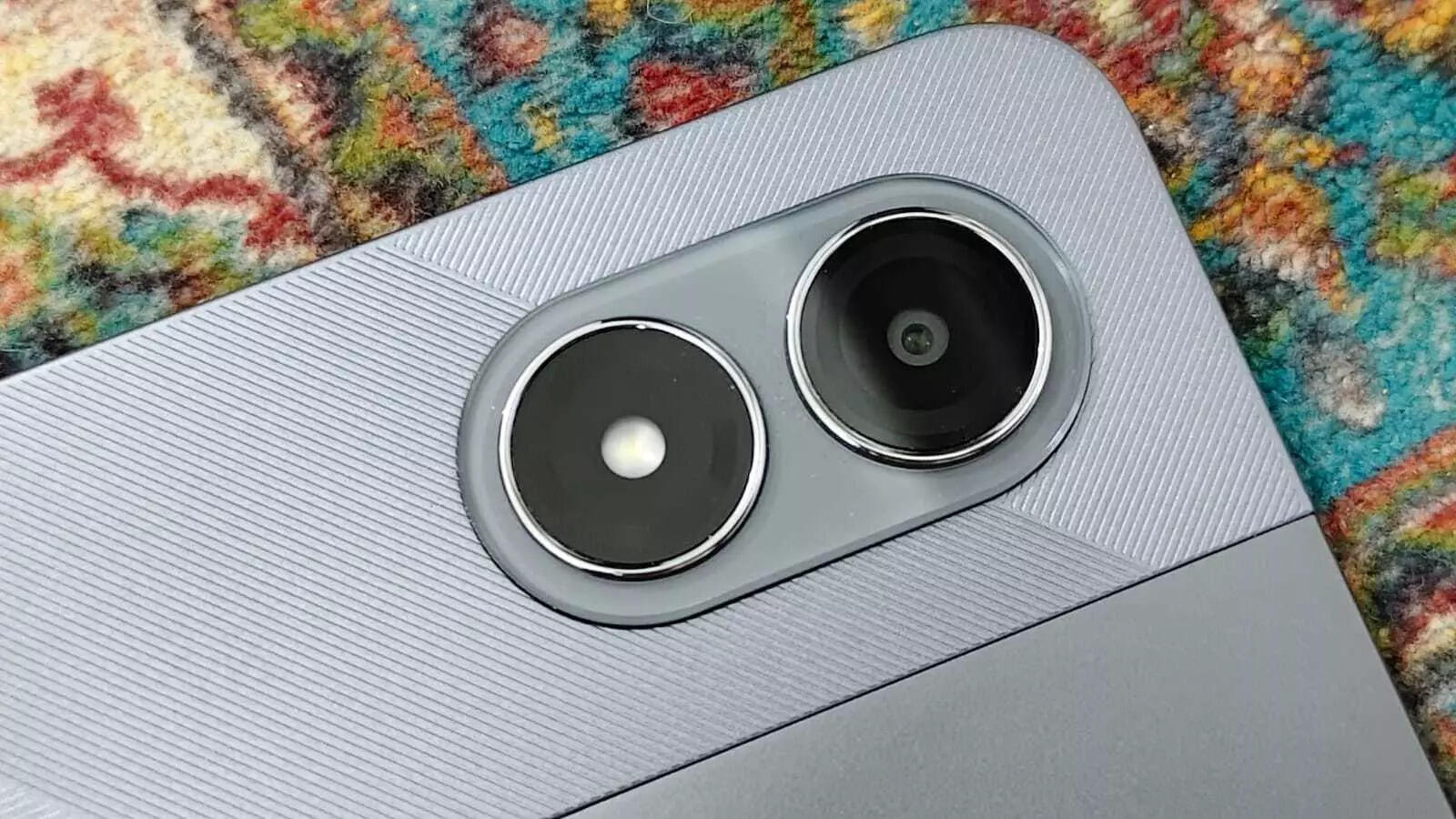
The rear camera setup on the Redmi Pad 2 Pro includes a 13MP primary sensor and an 8MP secondary lens.
As with most tablets, cameras are not the primary use case, but the 13MP sensor performed adequately for document scanning, note capture, and the occasional photo in reasonable light. The 1080p, 30fps video recording was stable.The 8MP front camera is good enough for video conferencing and virtual meetings. In a well-lit room, it looks clear, and the quality remains constant even during longer video calls. Teleprompter mode is a beneficial feature for users who create video content.
Verdict
The Redmi Pad 2 Pro makes a compelling case as a jack-of-all-trades device suitable for students, remote workers, and regular consumers who want a device that doesn’t come at a premium. With a 12.1-inch screen, a decent processor, good battery life, and 5G connectivity, it’s a device useful for various tasks. With the keyboard, it works well for the lighter end of productivity, but anyone expecting a full laptop substitute will find the gaps noticeable fairly quickly.At Rs 24,999, it sits in a more competitive bracket. At the outset, it may appear to have the practical shortcoming of its predecessor, which is the stylus storage situation; however, the keyboard support of the tablet is a welcome addition and makes up completely for the miss. If you are looking for a reliable, well-rounded tablet for reading, productivity, entertainment, and video communication, the Redmi Pad 2 Pro delivers on all these promises.







 English (US) ·