

 1 hour ago
4
1 hour ago
4
ARTICLE AD BOX
Last Updated:July 02, 2026, 13:29 IST
The government's concerns revolve around one question---How easy would it be for someone to pretend to be another person?


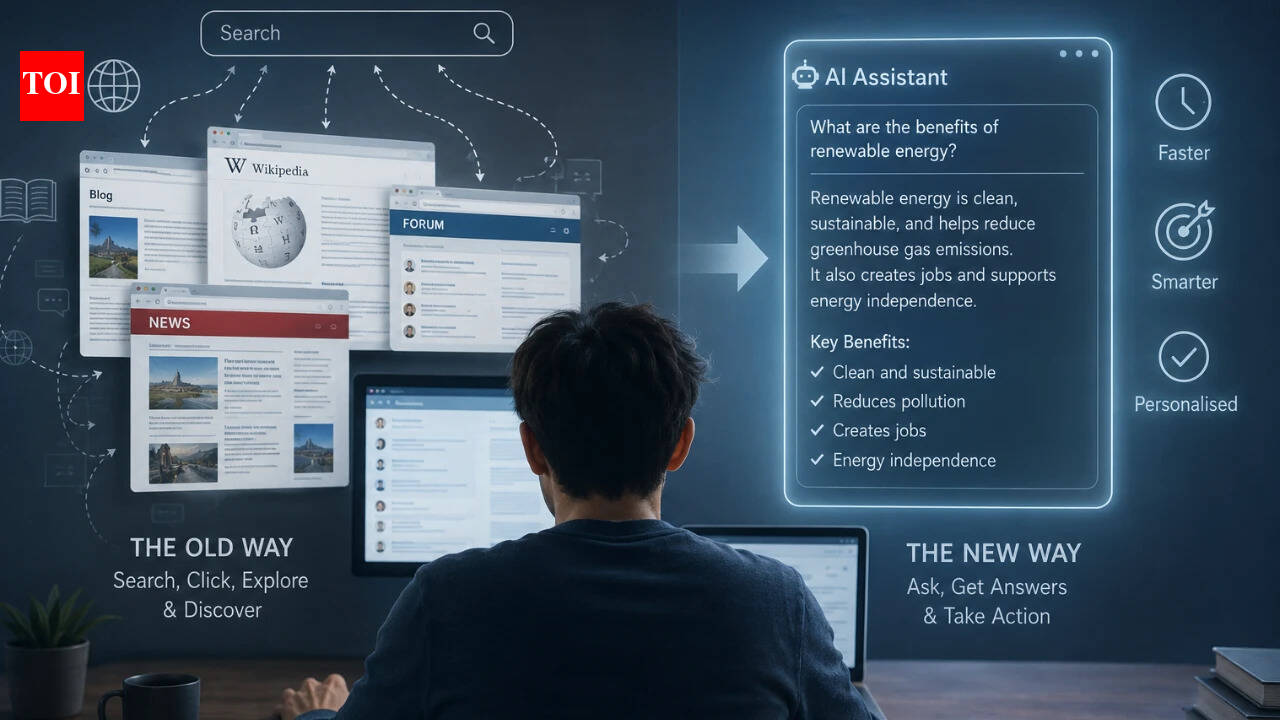
Authorities fear scammers could create usernames that closely resemble celebrities, politicians, government departments, banks, brands, journalists, and influencers. (AI-Generated Image)
WhatsApp’s much-talked about username feature, pitched as a privacy-friendly alternative to sharing phone numbers, may never reach users in its current form.
After days of growing concerns over impersonation, scams and identity misuse, the Centre is now weighing its strongest response yet. According to a government official quoted by The Indian Express, authorities could even ask Meta to do away with the rollout if they conclude the platform has failed to build adequate safeguards against misuse.
“During our internal assessment and subsequent questioning of WhatsApp, if we do not think there are enough guardrails to protect against impersonation, the government may also look into whether the feature’s rollout should be stopped altogether," the official said.
ALSO READ | WhatsApp Username FAQs: Meta Explains Anti-Impersonation Measures Amid Scam Fears
For millions of WhatsApp users, this means the feature may not simply be delayed; it could be prevented from launching in India unless Meta satisfies the government’s concerns.
Why Is The Government Worried?
On paper, usernames are designed to improve privacy. Instead of giving someone your phone number, you could simply share a unique username, much like Telegram or Signal.
However, officials believe that the same feature could also become a powerful tool for fraudsters. The government’s concerns revolve around one question—How easy would it be for someone to pretend to be another person?
Authorities fear scammers could create usernames that closely resemble celebrities, politicians, government departments, banks, brands, journalists, and influencers. Even if the fake username differs by just one character, many users may fail to notice.
For example: @airtel_support vs @airtel.support or @pmindia vs @pm_india
Such impersonation is already common on Telegram, X and Instagram, where fake accounts routinely trick users into sharing OTPs, passwords or transferring money.
Didn’t WhatsApp Already Announce Safeguards?
Yes.
Following questions from the government and growing public criticism, Meta announced several anti-impersonation measures. Among them were that verified public figures and government usernames will be reserved, usernames cannot consist only of numbers, certain restricted words and reserved identities cannot be registered, and users can report impersonation accounts. The company also says additional automated systems will detect abuse.
However, officials are reportedly not fully convinced.
News18 had earlier reported that the Ministry of Electronics and Information Technology (MeitY) has been examining whether these safeguards are sufficient before allowing the feature to be rolled out.
The latest remarks suggest the government is now considering the most stringent option available: preventing the launch altogether if its concerns remain unresolved.
Why Does This Matter To Ordinary Users?
Many users welcomed usernames because they promised better privacy.
Instead of exposing their mobile number to strangers, users could now join communities, talk to businesses, sell products and network professionally without revealing their personal number.
But privacy cuts both ways.
Experts warn that hiding phone numbers may also make it harder to identify scammers. Today, many users verify unfamiliar contacts simply by checking whether they know the number. With usernames, fraudsters could appear more legitimate.
Cybersecurity experts say scammers could use usernames for fake customer care, where fraudsters could create usernames resembling banks, airlines or telecom companies. Investment scams, wherein fake financial advisors could approach users without revealing any phone number, are another concern. Government impersonation is a bigger worry. Accounts pretending to represent police, tax authorities or other departments could appear more authentic. Then come celebrity impersonations where scammers could imitate public figures or influencers to promote fake giveaways or cryptocurrency schemes.
These concerns are among the reasons the government is insisting on stronger safeguards before the feature becomes widely available.
What Has WhatsApp Said?
Meta has maintained that the feature has been designed with privacy and safety in mind.
The company has said that usernames are optional, phone numbers remain protected, reserved usernames will prevent impersonation of public figures and governments and the abuse detection systems will continuously monitor misuse.
The company has also engaged with government officials to explain how the feature works and the protections being built into it.
Could The Rollout Actually Be Stopped?
It is possible, but not certain. The government’s latest position indicates that approval is no longer automatic.
Officials are evaluating whether WhatsApp’s safeguards are robust enough to prevent Telegram-like misuse. If they conclude that impersonation risks remain high, they could ask Meta to pause or withhold the rollout until stronger protections are introduced.
That would make this one of the rare instances where a major global platform feature is delayed, or potentially blocked, in India over consumer safety concerns.
What Should Users Do?
Even if usernames eventually launch, users should continue to follow basic digital safety practices:
• Never trust an account solely because its username looks official.
• Verify businesses and government agencies through their official websites or verified channels.
• Never share OTPs, banking credentials or passwords over chat.
• Report suspicious accounts immediately.
• Be cautious of usernames that differ by a single letter, number or symbol from genuine accounts.
Handpicked stories, in your inbox
A newsletter with the best of our journalism
About the Author
Apoorva Misra is a News Editor at News18.com with a keen interest in politics and current affairs. She loves uncovering fresh angles and telling stories through long-form features and explainers. Foll...Read More
News explainers Reserved Your WhatsApp Username? Here's Why You May Never Get to Use It
Disclaimer: Comments reflect users’ views, not News18’s. Please keep discussions respectful and constructive. Abusive, defamatory, or illegal comments will be removed. News18 may disable any comment at its discretion. By posting, you agree to our Terms of Use and Privacy Policy.
Read More







 English (US) ·