

 1 week ago
5
1 week ago
5
ARTICLE AD BOX
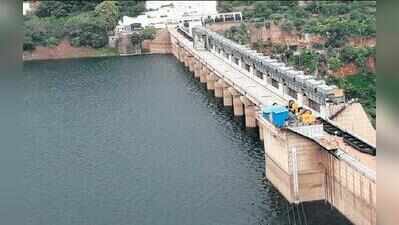
Vijayawada: Andhra Pradesh is facing an alarming water crisis as major reservoirs witness a sharp depletion in storage due to poor southwest monsoon rains. Several reservoirs have reached critically low levels, while some have nearly dried up, raising concerns over drinking water supply and irrigation during the ongoing kharif season.According to water resources department data, major reservoirs in the state have received only 13.33 tmcft of inflows so far, while 96.31 tmcft has already been released to meet irrigation and drinking water needs. Total storage in the state’s reservoirs now stands at 221.03 tmcft, significantly lower than normal for this period.The situation is particularly grim in Kurnool, Nandyal, Anantapur, Kadapa, Sri Sathya Sai, Annamayya, Krishna, Guntur and Prakasam districts, where reservoirs are nearing dead storage levels.
The state govt has decided to prioritise drinking water requirements and restrict irrigation releases to conserve the remaining reserves.One of the biggest concerns is the Srisailam reservoir, the lifeline of the Rayalaseema region. Against its total capacity of 215 tmcft, the reservoir currently holds only about 42 tmcft, or 19% of its capacity. Officials fear that the available water may not be sufficient to meet drinking water requirements in the coming months.
The situation is compounded by low storage levels in upstream reservoirs in Karnataka, including Almatti and Narayanapur. Srisailam receives substantial inflows only after both dams reach their full reservoir levels (FRL).Similarly, Nagarjuna Sagar, which has a gross storage capacity of 312.05 tmcft and live storage capacity of 139.79 tmcft, is under stress. After accounting for 42.15 tmcft of dead storage, only about 100 tmcft remains available for utilisation by Andhra Pradesh and Telangana during the season.Authorities are carefully regulating releases to ensure adequate drinking water supply to dependent regions. The crisis has intensified in smaller reservoirs as well. Bhairavanitippa reservoir in Anantapur district has gone completely dry, affecting drinking water supply in eight villages. Local authorities have begun making alternative arrangements to provide water to the affected habitations.Farmers are increasingly worried as delayed monsoon rains have reduced prospects for adequate irrigation during the kharif season. The state government is hoping for increased monsoon activity in July to improve inflows into reservoirs. Until then, reservoir operations will focus on conserving available water and prioritising drinking water needs over irrigation.Meanwhile, the Pulichintala balancing reservoir is holding nearly 32 tmcft against its capacity of 45 tmcft, helping the water resources department manage kharif requirements in the Krishna delta.







 English (US) ·