

 1 hour ago
4
1 hour ago
4
ARTICLE AD BOX
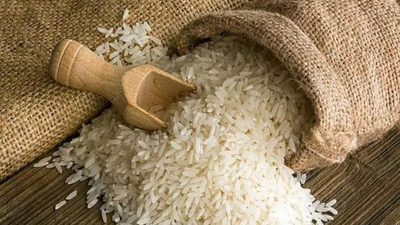
Rice exporters on Thursday sought urgent relief measures from the government, such as waiver of port-related charges and payment adjustments to deal with the Iran crisis following the joint attack by the US and Israel on the Islamic nation. They have asked for waiver of port-related charges (storage/demurrage and other levies) where cargo is rolled due to vessel cancellations; and facilitation for cargo in transit to be returned, redirected or diverted, with customs and the RBI support for documentation and payment adjustments. In addition, they have urged the government to issue an official advisory recognising the disruption as a force-majeure type event to prevent unfair contractual penalties; and temporary banking support through ad-hoc working capital limits and credit extensions, on lines similar to COVID-era relief.
The Indian Rice Exporters Federation said these measures are important as exporters are facing severe shipping and logistics disruption following the Iran crisis and heightened instability across key maritime routes. It said that exporters are reporting an acute shortage of containers, suspension/cancellation of vessel calls to the Middle East, and a sharp escalation in costs. International freight is up by an estimated 15-20 per cent, while war-risk surcharges and insurance premiums for Gulf transits have risen steeply.
"Bunker fuel prices have also increased (members report marine fuel oil moving from about USD 520 to about USD 700), further impacting contracted realizations. In the domestic market, basmati prices have softened by about 7-10 per cent in the last 72 hours, intensifying working-capital stress," it said. "Our exporters cannot absorb abrupt freight, fuel and insurance shocks while shipments are delayed or rolled," it added. There is a non-availability of containers for the Middle East, and spill-over shortages are there for other destinations, as disrupted trade flows have affected the circulation/repositioning of empty containers.






 English (US) ·