

 31 minutes ago
2
31 minutes ago
2
ARTICLE AD BOX
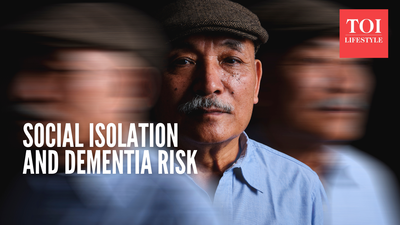
New data from the UK's Alzheimer’s Society has revealed that one in three people do not know their neighbours. The survey was conducted among 2100 adults by the UK's leading dementia charity.
The Alzheimer’s Society has warned that this isolation may result in a 60% increase of rising dementia risk, especially among the elderly population. After the alarming data, the charity is urging people to check-in on their neighbours during the festive season. As per the data, over eight in ten of those surveyed (83 per cent) believe that people living with dementia, and their carers, need more support, and 78 percent say this need is urgent.
However, more than a quarter (27 per cent) said they would feel uncomfortable inviting a person they knew were ‘by themselves’ to eat Christmas dinner with them.
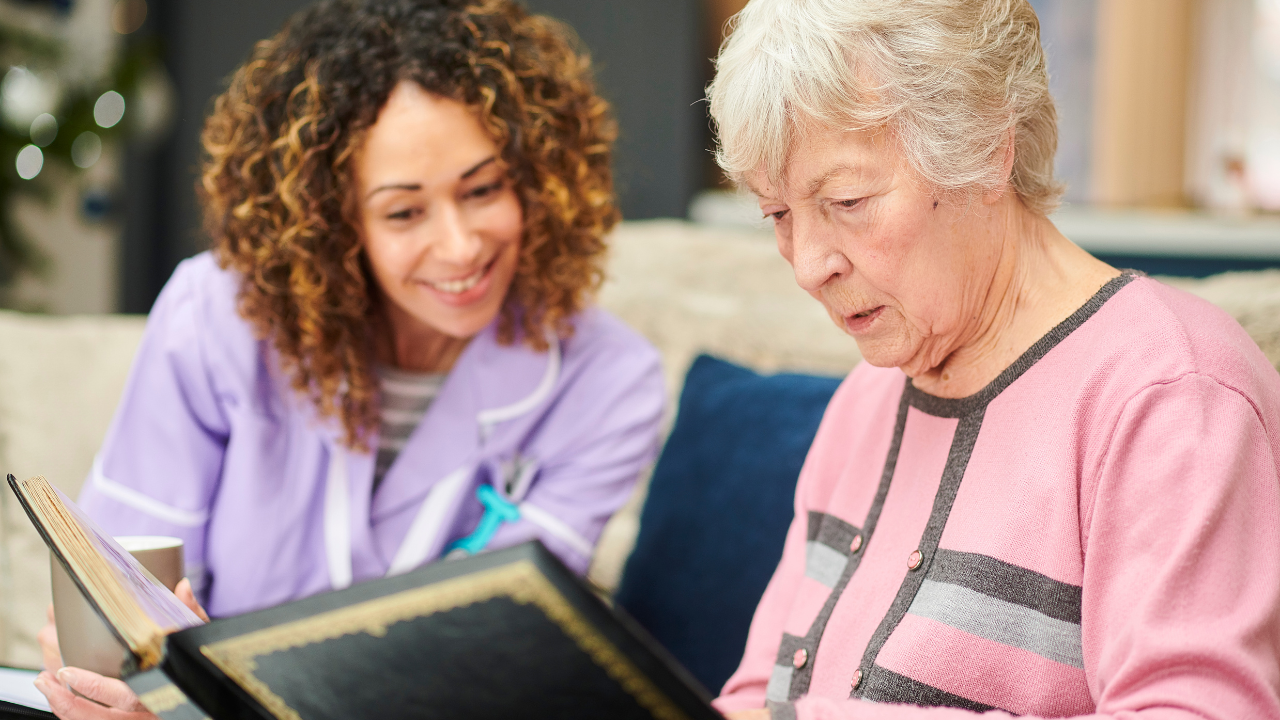
Dementia is a set of diseases that damage the brain. The symptoms get worse over time and include memory loss, confusion, problems with language and understanding and changes in behaviour. The isolation-brain health link When a person socially interacts, his brain starts to actively stimulate listening and communicating, both of which are mental skills.
This makes the brain more resilient. Another factor is that social isolation is directly linked with depression, which is an independent risk factor for developing dementia. However, the good part is that social isolation, in many cases, is a modifiable factor. Michelle Dyson, chief executive of Alzheimer's Society, said: 'Christmas is traditionally a time for joy, laughter and creating memories. Social interaction can strengthen resilience, reduce stress and boost mood, all of which support brain health.




 English (US) ·