

 1 hour ago
5
1 hour ago
5
ARTICLE AD BOX
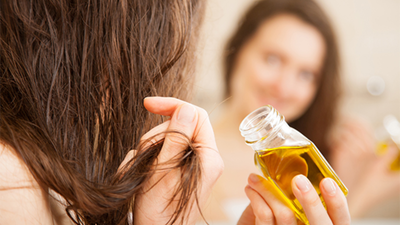
TikTok's 'Miracle' Hair Growth Trends Are Damaging Your Scalp: Experts Expose the Dangers
As social media users desperate for faster hair growth try everything from “inversion methods” to intense hydration rituals, hair experts warn that many of these DIY trends don’t work and can even do more harm than good.
As TikTok continues to churn out viral “miracle” hair-growth hacks, experts warn that many of these DIY methods may be doing more harm than good.While some tricks look harmless, research shows that they can trigger breakage, scalp inflammation and even worsen long-term hair loss. Here are five popular TikTok hair-growth treatments that scientific studies and dermatologists say you should avoid.
The inversion method (hanging your head upside down)
This method involves hanging your head upside down to “increase blood flow” to the scalp but clinical research shows that temporary increases in superficial blood flow do NOT stimulate hair follicles.
Proponents claim that this method increases blood flow to the scalp and spurs faster growth but there is no clinical evidence tying temporary blood-flow changes to hair follicle stimulation.According to a 2015 study published in Journal of Investigative Dermatology, “Hair growth is not significantly influenced by short-term fluctuations in scalp blood flow.” Hanging upside down can cause dizziness, increased blood pressure and neck strain. These risks outweigh any unproven benefit.
Double cleansing with extreme hydration routines (“maximum hydration”)
This trend encourages washing and conditioning hair multiple times in a single session to maximise moisture but over-hydration actually weakens hair. Conditioning and hydrating hair shafts affects appearance and breakage rates but does not increase follicle proliferation at the root.
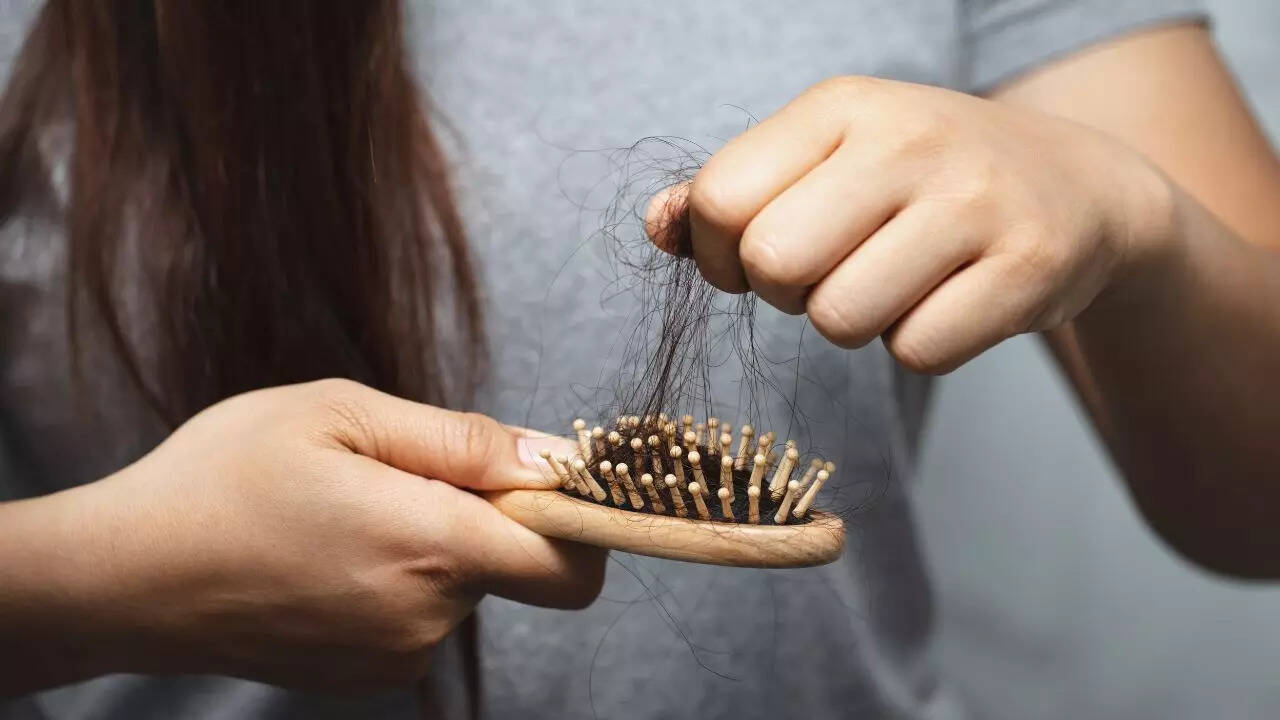
TikTok Hair Growth Hacks: Experts Warn Against Viral Trends
A 2018 study in International Journal of Cosmetic Science cautioned, “Excess water absorption leads to swelling and softening of the hair shaft, increasing breakage susceptibility.”
It risks mushy, fragile hair, worsened breakage and long-term thinning.
DIY microneedling and derma rolling
Professional microneedling can help hair growth but DIY versions are dangerous. At-home rollers are often contaminated, used with excessive pressure or reused improperly. A 2020 study in Dermatologic Surgery warned, “Improper microneedling use can result in scarring, infection and permanent hair loss.” It can cause infections, folliculitis, scarring and accelerated hair shedding.
Undiluted rosemary, peppermint or essential oil scalp burns
Essential oils are trending as “natural minoxidil” but TikTok creators often apply them undiluted, which is medically unsafe. A 2017 study in the journal Contact Dermatitis revealed, “Undiluted essential oils are frequent causes of irritant and allergic dermatitis, including chemical burns.”

Should rosemary be used for hair growth? (Image Credits: Pinterest)
It risks chemical burns, blisters, inflammation and hair-follicle damage. Experts assert that Rosemary oil works only when properly diluted and used long-term, not the way TikTok promotes it.
Intense scalp scrubbing and exfoliation routines
Some influencers recommend aggressive scalp exfoliation with sugar scrubs, nail brushes or harsh acids to “remove buildup and boost growth” but research shows that excessive mechanical friction damages follicles. A 2019 study in Skin Appendage Disorders found, “Repeated mechanical trauma to the scalp can lead to inflammation and miniaturisation of hair follicles”. It risks inflammation, traction-like thinning and permanent follicle weakening.
Bottom line
While TikTok excels at creating trending hacks, hair biology does not bend to viral shortcuts. Studies consistently show that harsh, extreme or biologically implausible methods can worsen hair health, not improve it.If you are struggling with hair loss, dermatologists recommend evidence-based treatments like minoxidil, professional microneedling, low-level laser therapy and medical evaluation, not social media experiments.
True hair growth is not magic, it is biology.While social media thrives on quick fixes, the best-supported tools are those that address hair follicles directly, over time.Note: The information provided in this article is for educational purposes only and is not intended as medical advice. Always consult with a qualified healthcare professional before starting any new medication or treatment and before changing your diet or supplement regimen.









 English (US) ·