

 53 minutes ago
7
53 minutes ago
7
ARTICLE AD BOX

The actor discovered her grandmother had been adopted while tracing her ancestry on Who Do You Think You Are?.Image credit (Ruth Madeley Instagram)
Ruth Madeley, an accomplished actor, writer and disability activist, recently participated in the genealogy documentary series 'Who Do You Think You Are?' , where she uncovered a shocking family secret that had remained hidden for generations.
The discovery revealed that her paternal grandmother, Beatrice, had been adopted—a fact unknown to Ruth's father Geoff and the wider family.According to shows offical magazine, Ruth said, "No one knew. My dad had no idea, so that was a huge shock," describing the emotional impact of learning that her grandmother's entire identity had been kept secret from the family for decades.Growing up in Bolton, Ruth believed her ancestry would not extend far beyond Manchester, as both her parents had been born in the city.
However, genealogists working on the episode unravelled a complex family history involving workhouses, adoption, and a remarkable story of survival spanning multiple generations.
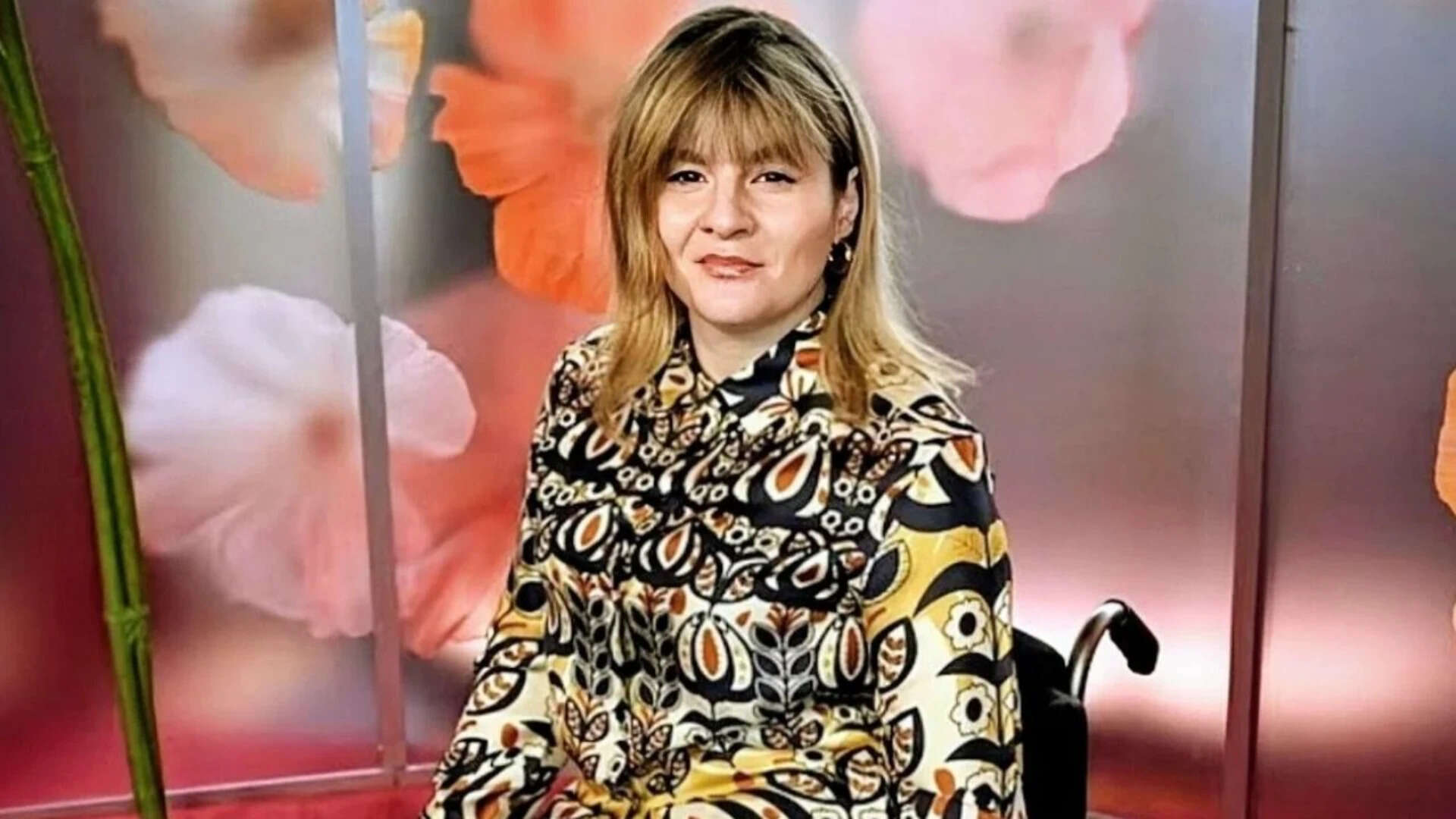
Ruth and her father Geoff reacted to the revelation that Beatrice's adoption had remained unknown for generations.Image credit (Ruth Madeley Instagram)
The unexpected discovery through DNA testing
Ruth began her genealogical journey by meeting with her father Geoff, mother Jackie and sister Liz at home. When Geoff learned of his mother's adoption, he expressed his shock. "When I got that phone call, I thought, what's going on? Could have knocked me down with a feather!" he said, reflecting on the emotional impact of the revelation.
Working with genetic genealogist Rachel King in north Manchester, Ruth examined a marriage register showing that Leonard Madeley and Beatrice Burrows married in 1937 when she was 23. This established Beatrice's birth year as 1914, yet no birth record could be found under that name. DNA samples from Geoff and his sister Ann revealed no genetic connection to the Burrows family, leading researchers to biological ancestors further back in the family tree.The DNA testing led Ruth to Charles Frost and Lucy Wilson, identified as her 3x great-grandparents from Hackney. Records indicated their daughter Lucy Frost had moved to Manchester, becoming Ruth's great-great-grandmother. A marriage certificate revealed she had married Henry Osborne in Peckham in 1877.
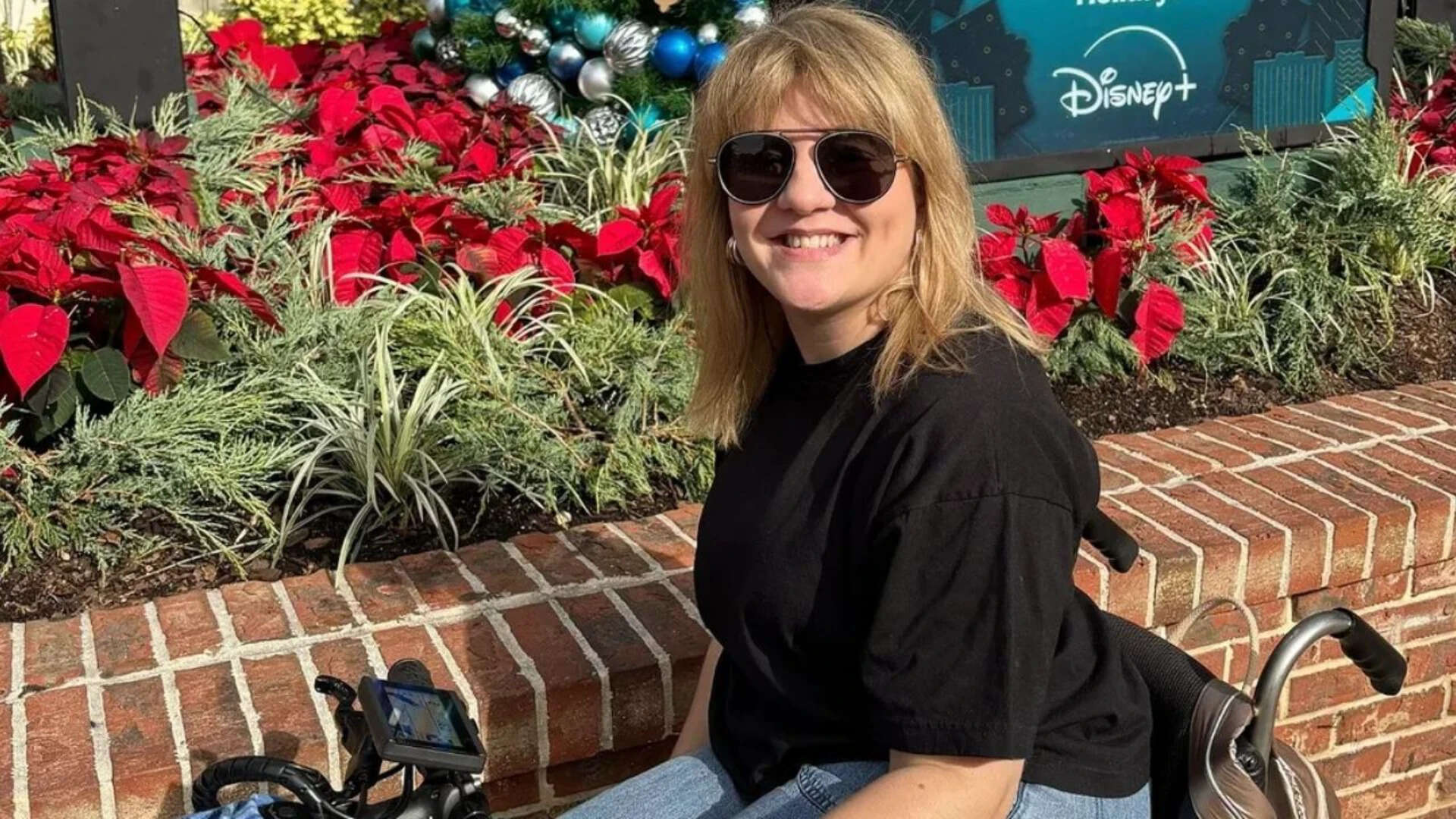
The genealogy series led Ruth through decades of family records, uncovering stories of resilience, poverty and survival.Image credit (Ruth Madeley Instagram)
A family fractured by scandal and hardship
Ruth travelled to London to meet historian Dr Vicky Holmes, who revealed that Henry and Lucy had ten children together.
However, an 1893 police report disclosed a shocking turn in the family's fortunes. Henry, who worked in insurance, had been charged with embezzlement. He absconded to Manchester and received a sentence of six months hard labour.The consequences for his family proved devastating. "Lucy and their children were sent to a Greenwich workhouse, the youngest children being just toddlers and babies. The children were separated and sent to different district schools outside London and would only occasionally have been able to visit their mother," Dr Holmes explained.
The 1901 census eventually showed eight of the children living with their father Henry in Salford, Greater Manchester, suggesting the family's circumstances had improved somewhat.
Tracing the path to Beatrice's adoption
Back in Manchester, Ruth worked with historian Kate Gibson to identify which of Henry and Lucy's children might be Beatrice's biological parent. The 1911 census showed none of the boys married or with children, yet men were not required to appear on birth certificates for illegitimate children.
Examining the daughters' records, researchers discovered a birth entry for Beatrice Osborne, born to Adelaide Osborne at Withington Workhouse.
Adelaide had entered the workhouse while pregnant, taking advantage of the medical care it provided before Beatrice was subsequently adopted by William and Elizabeth Burrows.When Ruth shared this discovery with her father, Geoff revealed a remarkable coincidence.
"I knew Adelaide Osborne! Adelaide had been a friend of his grandmother. He fondly remembered her as 'Aunty Addy,'" Ruth explained, revealing an unexpected personal connection that bridged generations.
The bond between two survivors
Meeting with Professor Juliemarie Strange, Ruth explored the circumstances surrounding Beatrice's adoption. While the exact adoption date remained unknown due to informal adoption practices a 1912 marriage certificate showed William and Elizabeth married unusually late for working-class families at ages 35 and 33.
The 1891 census revealed Elizabeth had lived with her aunt and uncle while her family remained in Salford Union Workhouse and she became the sole survivor of her family.Professor Strange reflected on the parallel experiences of the two women. "Even though their lives take quite different paths in adulthood, they have that shared bond, a shared experience of the cruelty of poverty and shared understanding of a need to survive," she observed, highlighting how Elizabeth and Adelaide's similar trauma likely informed their bond.
Adelaide's later life and lasting legacy
Returning to Rachel King, Ruth learned that Adelaide passed away aged 75 at Withington Hospital in 1965. Her will revealed she had been buried at Southern Cemetery and left everything to Beatrice. Kenneth Cecil Pike, a trusted friend rather than a solicitor, served as executor of her will.Ruth eventually travelled to Stratford-upon-Avon to meet Kenneth's wife Dorothy and daughter Margot. Adelaide had come to work for their family in 1960 and stayed with them when Margot was born, adoring the child from the outset.
"We were very fond of [Adelaide] and believe that perhaps we made her happy in her later years," Dorothy and Margot told Ruth, sharing photographs of Adelaide with baby Margot.
Honoring generations of resilience
For the final part of her journey, Ruth visited Southern Cemetery where Adelaide was buried alongside her father. "I feel very happy that I've been able to find where she is resting," Ruth reflected. She discovered that her adoptive great-grandmother Elizabeth was also buried at the same location.
"Both my great grandmothers' lives were intertwined, and it feels really fitting that they're buried in the same place," she said.Ruth's genealogical journey revealed a family history marked by poverty, hardship and remarkable survival across generations. "It's really humbling to learn about them both and honour them both... I am from a family of survivors," she concluded, having traced the connections between her great-great-grandparents' struggles in Victorian workhouses and their descendants' lives in twentieth-century Manchester.








 English (US) ·