

 2 hours ago
2
2 hours ago
2
ARTICLE AD BOX
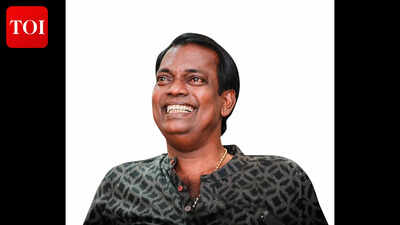
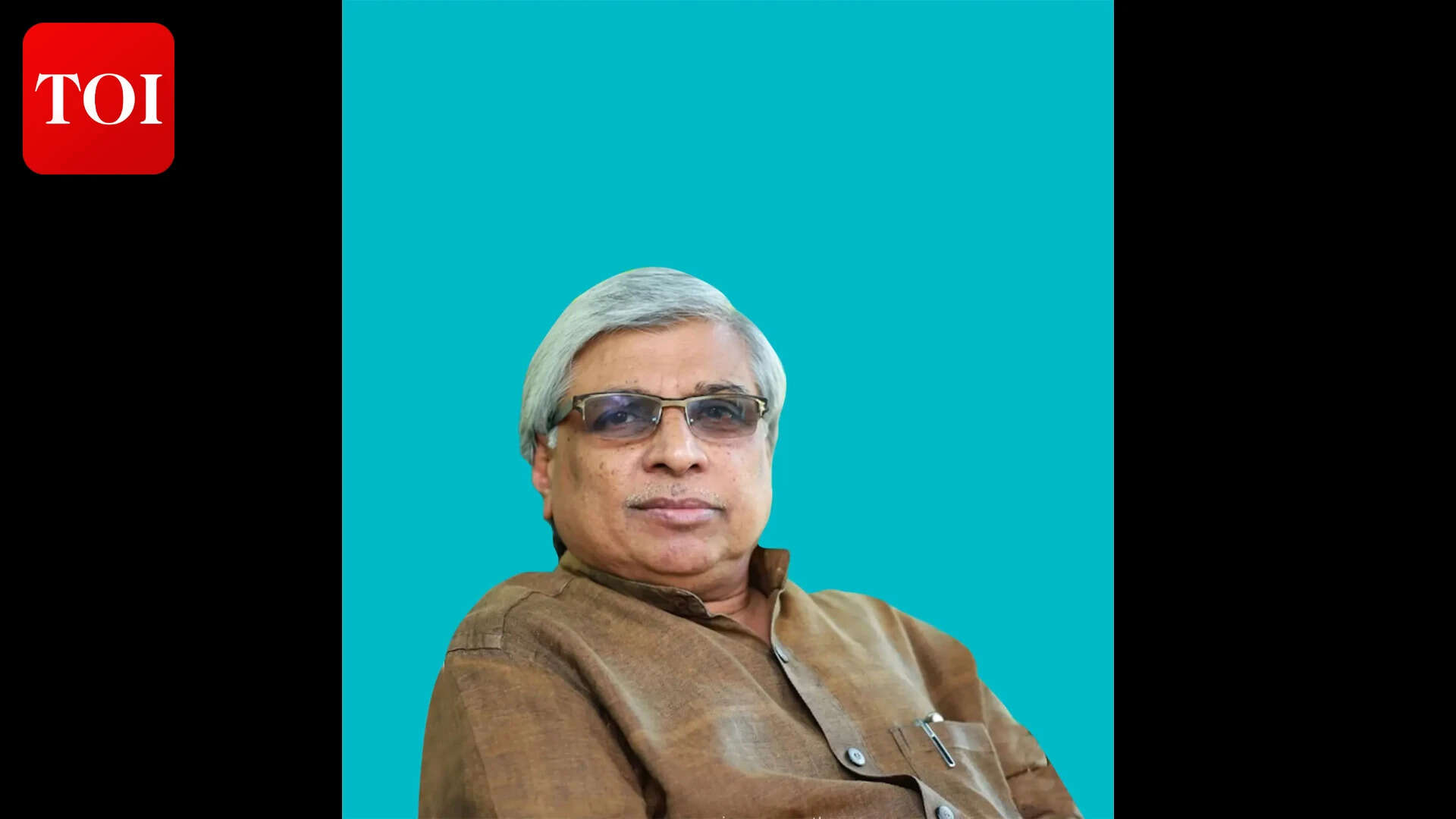
Director Kamal, who collaborated with Salim Kumar on some of the actor's most memorable films, remembers him as a versatile performer, a generous human being and a man whose humour continues to resonate across generations.From a film fan to a sought-after actorKamal's association with Salim goes back to the latter's pre-cinema days. “I am from Kodungalloor and Salim was from Paravoor, which is quite close by. In those days, Kodungalloor was a release centre, so he would come there to watch films. After seeing my films, he would often visit my house, share his opinions and ask for an opportunity to act,” he recalls.The role that changed everythingKamal credits Gramaphone (2003) with giving Salim his first major serious role.
“Until then, he was largely known for comedy. I was looking for someone to play Tabla Bhaskaran, a tabla artiste. We considered several actors, including Nedumudi Venu, but I felt a more raw and natural approach would work. Since I knew a few tabla players, I felt Salim resembled them in some ways and could pull off the role,” he shares.Salim, however, wasn't convinced. “When I narrated the role, he immediately said, 'Sir, I don't know how to play the tabla and I've never done a serious role before.'
He was extremely hesitant,” he says.The anxiety only grew closer to the shoot. “A couple of days before filming, he called and asked me to find someone else. He even said he wouldn't come. But I insisted that only he could play the part,” he recalls. Then came the challenge of learning the tabla. “We arranged for a tutor to train him at Mattancherry. Whenever the teacher arrived, Salim would mysteriously disappear. The assistant directors would say, 'He was here just now!'” Kamal laughs.
Eventually, after some persuasion, Salim committed himself to the role. “When he finally began learning, he surprised everyone. That lengthy tabla sequence was completed in a single take,” he reveals.
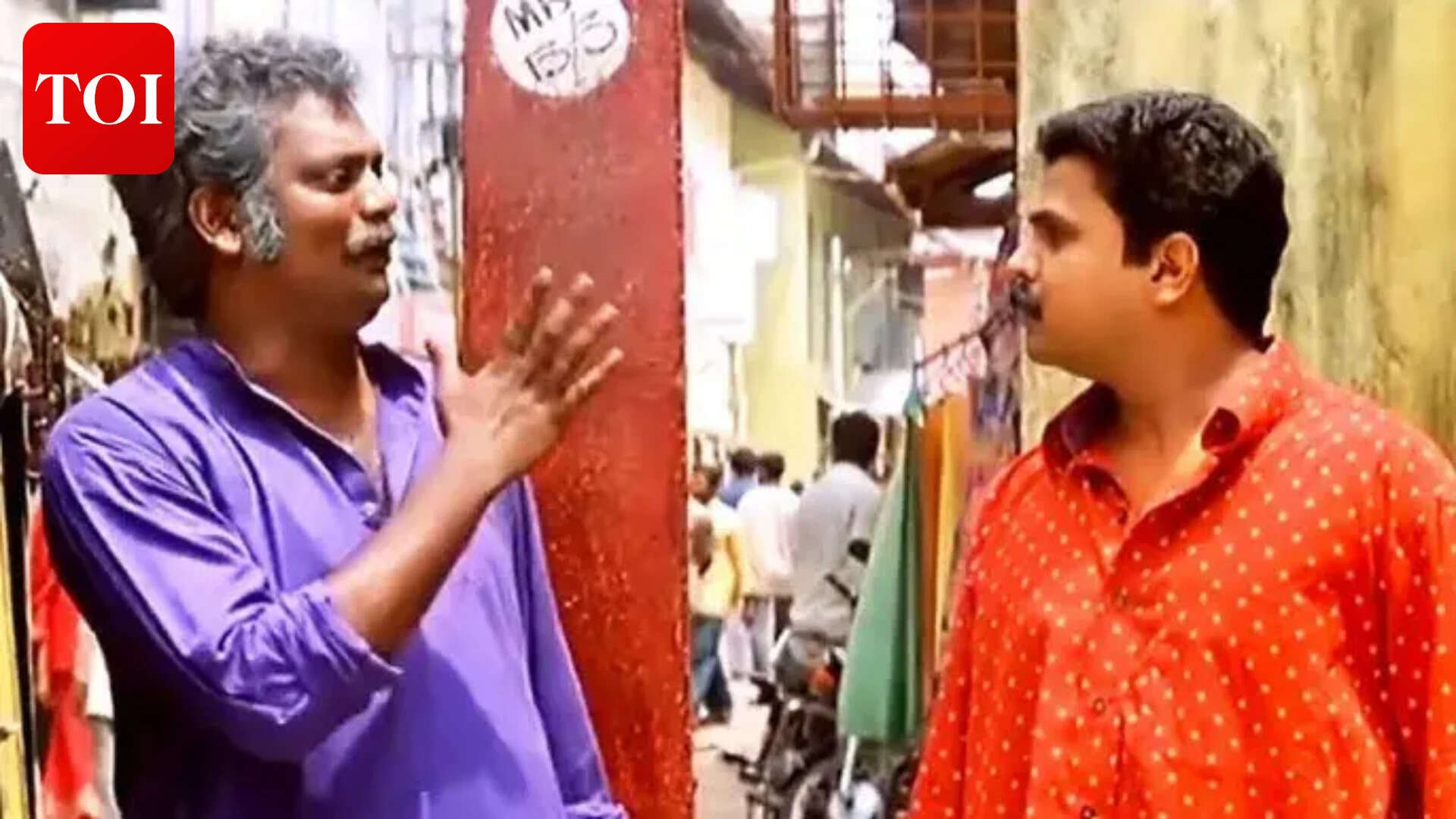
Salim Kumar and Dileep in a still from Gramophone
Discovering the actor behind the comedianKamal believes Gramaphone gave Salim the confidence to pursue more layered roles. “During dubbing, he told me, 'Now, I have the confidence to do serious characters. Call me for those roles instead of comedy.'”The years that followed vindicated that confidence. Salim went on to win both State and National Awards while continuing to excel in comedy. “He never saw serious and comic roles as separate worlds. Like many great comedians, he could do everything. That's what made him special,” says Kamal.
A master of improvisationAccording to the filmmaker, one of Salim's greatest strengths was his ability to improvise. “Before altering a line, he would always seek permission from the writer and director.
Then, he'd come up with something entirely his own and leave the entire set in splits. He did the same during dubbing sessions. Many of those improvised dialogues are still quoted today. His comedy scenes and dialogues continue to trend on social media.
Several words and phrases that have become part of everyday Malayali conversation are his contribution,” he says and adds that Salim's enduring popularity among younger audiences speaks for itself.Kamal points to Salim's performances in films such as Perumazhakkalam as proof of his range. “He should never be remembered as only a comedy actor. He was much more than that,” he stresses.The director also recalls Salim's passion project, Karutha Joothan, which won him a State Award as a filmmaker. “When he decided to make the film, he called me because it dealt with a Jewish community that I had explored earlier in Gramaphone.
It told the story of a group of Jews in the Kodungalloor-Mala region who had intermarried with locals and remained isolated from the mainstream Jewish community in Mattancherry.
Salim not only made the film but also played the lead character.”Beyond cinema, Kamal remembers him as a voracious reader with strong opinions and a deep interest in agriculture. “He always spoke his mind, whether people agreed with him or not,” he shares.A generous heartOne memory that stands out for Kamal is Salim's response during the 2018 Kerala floods. “His own house was flooded and the family had moved to the upper floor. Yet he opened his home to neighbours who had been displaced. He kept telling us he was happy as long as everyone around him was safe,” he informs.The friend behind the laughterAway from the camera, Kamal remembers Salim as someone who loved sharing a joke. “He would call me just to tell a joke and then laugh endlessly. Sreenivasan was like that too. The laughter after the joke would often be even better than the joke itself.”Pausing for a moment, Kamal adds, “Salim shouldn't be remembered only as a comedian. He was an actor, a filmmaker, a thinker and above all, a genuinely warm human being.”






 English (US) ·