

 1 day ago
4
1 day ago
4
ARTICLE AD BOX
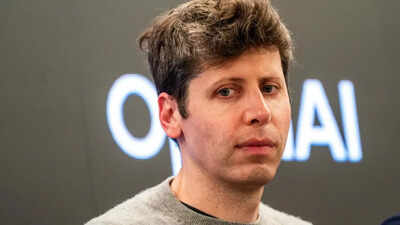
OpenAI CEO Sam Altman recently shared an X post stating he is “really excited to get Elon (Musk) under oath” adding that he wishes to celebrate “Christmas in April”. It seems like his dream may be coming true.
According to a Bloomberg report, US District Judge Theodore Chuang has issued an order that may require Elon Musk to testify in a lawsuit filed by government employees and contractors claiming he played a direct role in shutting down the US Agency for International Development (USAID) while serving as a senior adviser in the White House.In the order, Chuang said “extraordinary circumstances” justify allowing lawyers in the case to question Musk and two former USAID officials.
The judge rejected objections from the Trump administration, which had argued that forcing Musk to testify would interfere with presidential duties.As per the report, Judge Chuang noted that Musk had publicly taken credit on social media for the closure of USAID. Based on this and other evidence, the court found that Musk likely has “personal, first-hand knowledge” of decisions central to the case. The judge said this makes his testimony important for resolving the lawsuit.
A deposition involves private questioning under oath, and the answers can later be used in court proceedings.
Background of the lawsuit against Elon Musk
The case was brought by government workers and contractors who allege that the dismantling of USAID was unlawful. It is one of the last active legal challenges connected to Musk’s role in the Trump administration and the Department of Government Efficiency (DOGE), which focused on cutting federal spending and reducing the government workforce.The Justice Department has previously argued that Musk should not be forced to testify because doing so would intrude on White House activities and raise separation-of-powers concerns. However, the judge then said it was not clear that Musk qualified as a “high-ranking government official” entitled to special legal protections, such as cabinet members.The court said the administration could still seek limits on certain questions to avoid interference with presidential duties.
Lack of written records
The judge also criticized the government for failing to provide a full record of documents explaining who made key decisions related to USAID’s closure. He said this suggests that many orders were given orally, making witness testimony necessary.“Such that the only evidence on these questions would be the oral testimony of the officials present,” Chuang wrote as reported by Bloomberg.Other officials to testifyIn addition to Musk, the judge allowed depositions of two former USAID officials, Peter Marocco and Jeremy Lewin, rejecting the government’s request to block their testimony.Tianna Mays, legal director at Democracy Defenders Fund, which represents the plaintiffs, said the group welcomes the decision and wants the public to understand how the agency was shut down.A Justice Department spokesperson declined to comment, and representatives for Musk’s companies did not respond to requests for comment.





 English (US) ·