

 1 week ago
7
1 week ago
7
ARTICLE AD BOX
2 min readNew DelhiUpdated: Jan 29, 2026 03:29 PM IST
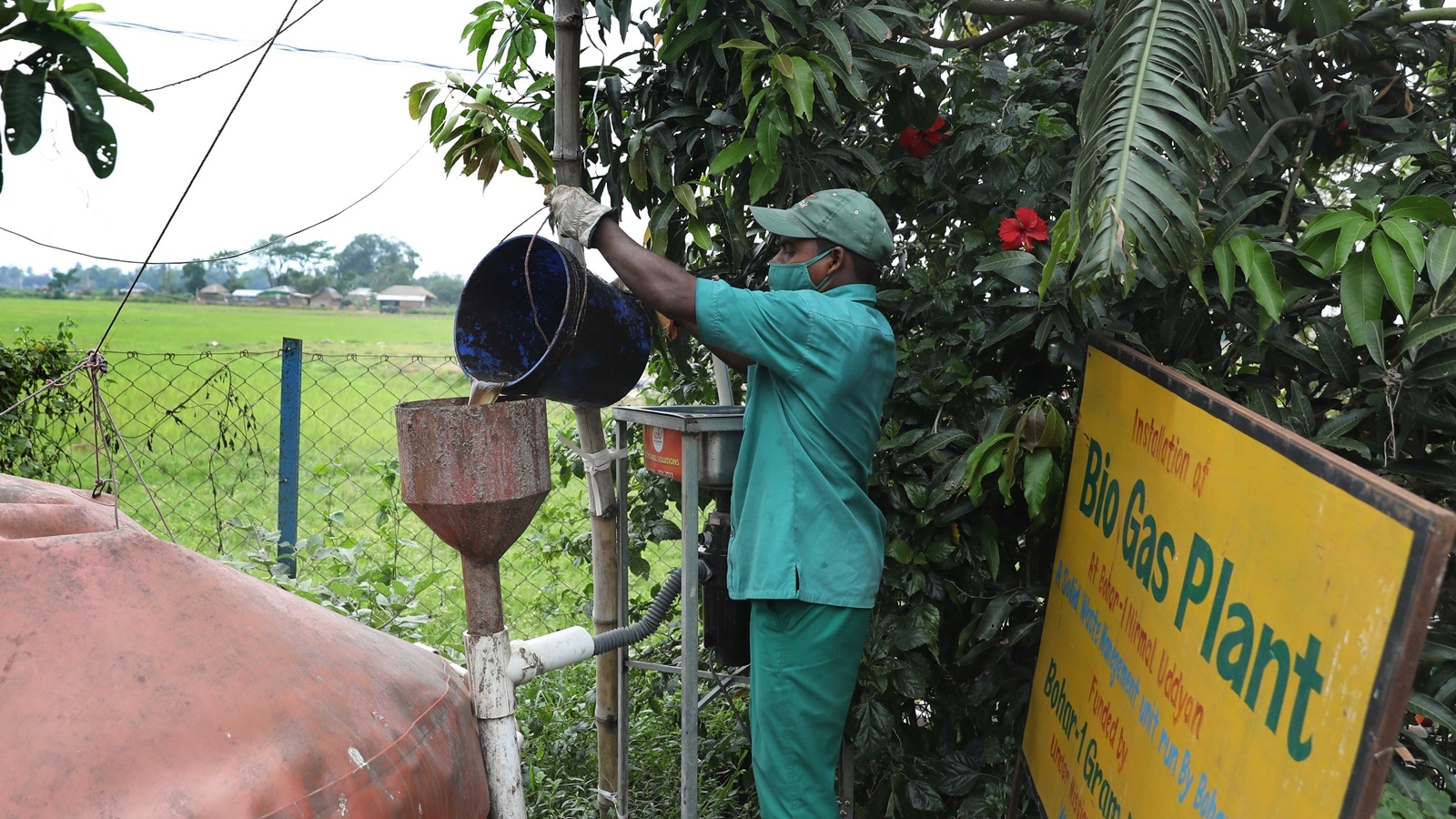 SC, ST, and OBC workers accounted for 36.75 per cent, 8.18 per cent and 21.15 per cent of the safai karamcharis, respectively. (Source: Express Archives)
Workers from Scheduled Castes (SC), Scheduled Tribes (ST) and Other Backward Classes (OBC) accounted for 66 per cent of the sanitation workers employed by 80 Union ministries or departments in 2024, while the same groups made up 40 per cent of Group A and 46 per cent of Group B employees, the Department of Personnel and Training (DoPT) annual report for 2024-2025 shows.
The report shows that while SC, ST and OBC employees accounted for 52 per cent of the total 32.52 lakh employees, they accounted for 66 per cent of the 40,737 safai karamcharis or sanitation workers in Group C posts in the 80 ministries/departments covered. SC, ST, and OBC workers accounted for 36.75 per cent, 8.18 per cent and 21.15 per cent of the safai karamcharis, respectively. In the case of other Group C posts, apart from safai karamcharis, SC, ST and OBC employees made up 53 per cent of the total.
For Group A posts, SC, ST, and OBC employees accounted for 14.20 per cent, 6.54 per cent, and 19.14 per cent of the total 1.19 lakh employees. In Group B posts, SC, ST, and OBC employees made up 16.20 per cent, 7.63 per cent and 21.95 per cent of the total 3.64 lakh employees.
As per the government’s reservation policy, 15 per cent, 7.5 per cent, and 27 per cent reservation is applicable for SCs, STs and OBCs in direct recruitment on an all-India basis by open competition.
As per previous DoPT annual reports, 60 per cent of safai karamcharis in 75 ministries/departments in 2022 were from SC, ST, and OBC communities. In 2021, the percentage was 59 per cent in 72 ministries/departments.
Earlier, the government had informed Parliament that 97 per cent of the people engaged in manual scavenging came from the Scheduled Castes.
In a reply in the Rajya Sabha in December 2021, Social Justice and Empowerment Minister Ramdas Athawale had said that while the government had not conducted any specific study of the religion and caste backgrounds of those engaged in manual scavenging, 58,098 manual scavengers had been identified under provisions of the Prohibition of Employment as Manual Scavengers and their Rehabilitation Act, 2013. Out of these, caste data was available for 43,797 individuals, of which 42,594 were SCs, 421 STs, 431 OBCs, and 351 others.






 English (US) ·