

 1 day ago
5
1 day ago
5
ARTICLE AD BOX
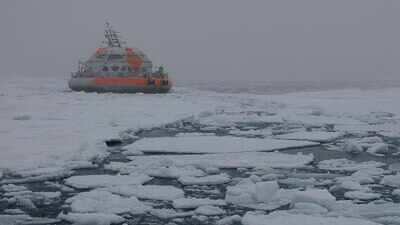
A groundbreaking expedition is set to challenge long-held beliefs about Arctic winter life. Twelve researchers will spend eight months intentionally trapped in sea ice aboard a specialized vessel. Image Credits: Wikimedia Commons
The Arctic Ocean in midwinter is often covered by thick sea ice and long periods of darkness. This ocean is dark for months at a time, with temperatures dropping sharply. For many years, scientists assumed winter greatly slowed marine life in this extreme environment.
Scientists thought freezing conditions and thick ice largely halted marine life until spring.But a new scientific mission is set to test long-held assumptions about the Arctic. A team of 12 researchers is preparing to let their vessel become trapped in Arctic pack ice for eight months. The vessel will serve as an isolated home and workspace as it drifts with the ice. By working within the ice, the researchers hope to observe the winter Arctic ecosystem more directly.This ambitious polar expedition was highlighted in an article published in Science titled A dozen people will spend 8 months trapped in Arctic ice for science. The report details how this specialised floating station will allow investigators to study the polar ecosystem during the harsh winter months when traditional research vessels simply cannot navigate the frozen waters. By shifting the focus away from short summertime visits, this groundbreaking initiative aims to uncover how microscopic organisms, unique fish species, and the entire marine environment adapt and wake up when darkness rules the ice.
Unlocking the hidden winter secrets of the polar food webTo understand why this freezing journey is so crucial for modern science, it helps to look at how much our current knowledge relies on fair-weather data. Most of what we understand about the Arctic Ocean comes from expeditions conducted during the relatively mild summer months, when icebreakers can easily slice through the melting ice. This has left an eight-month gap in our understanding of the polar life cycle.
Scientists are left guessing about how tiny microbes manage to survive without sunlight, or where native fish go when the ocean surface turns into a solid sheet of ice.The drifting laboratory will let researchers collect continuous samples through the ice. Microscopic algae and bacteria form the absolute baseline of the Arctic food chain, acting as the primary food source for small crustaceans, which in turn feed larger fish, seals, and polar bears.
If these tiny organisms remain active or shift in unexpected ways during winter, it could change how scientists understand the polar ecosystem and its response to climate change.Discovering these patterns could improve scientists' understanding of the Arctic's role in the climate system. The Arctic Ocean influences weather patterns and ocean life beyond the region. By monitoring the winter marine food web, the team on board will collect data that could help conservationists better predict long-term environmental change.
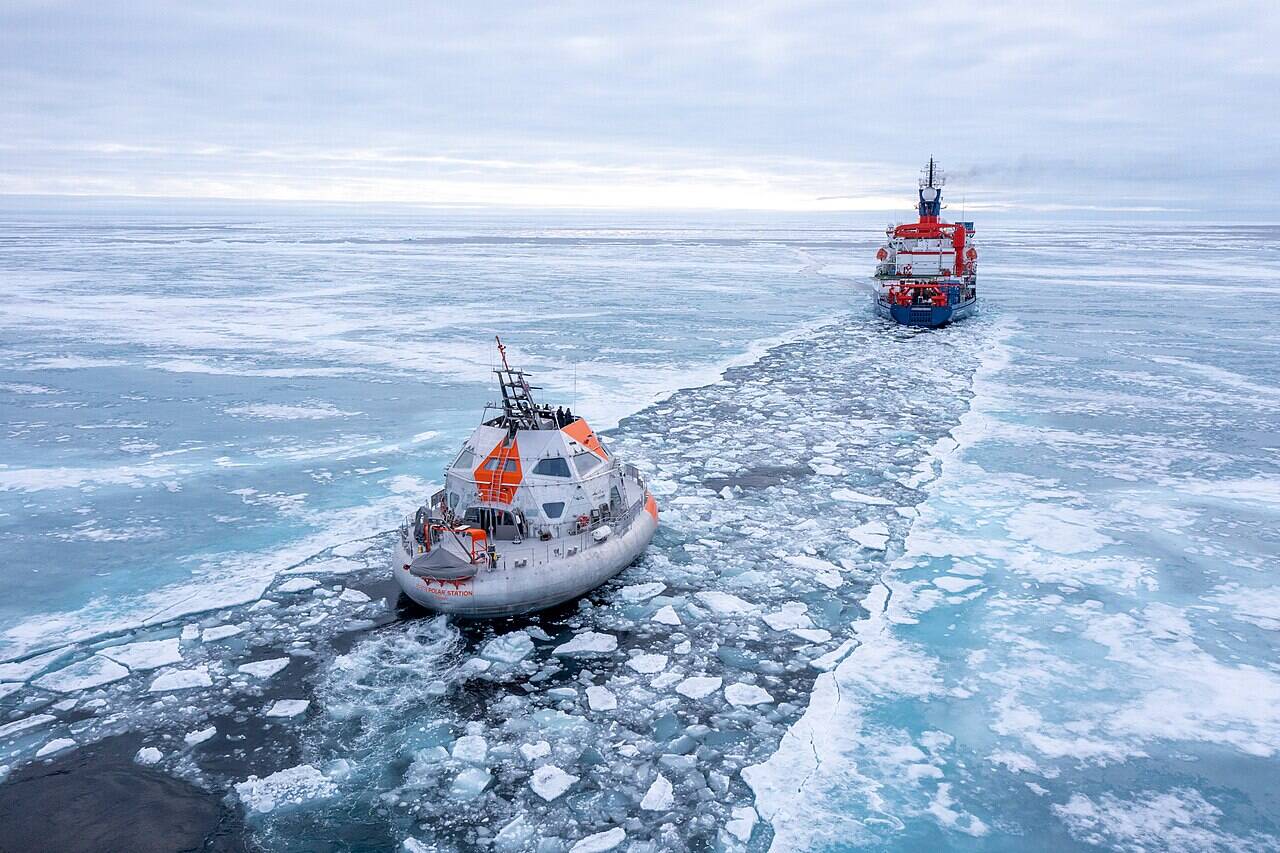
This unique floating laboratory will allow them to directly observe the marine ecosystem during the dark, freezing months, uncovering vital secrets of the polar food web and its response to climate change. Image Credits: Wikimedia Commons
The lifestyle of surviving on a drifting island of iceLiving and working on a ship frozen into a moving ice floe requires physical resilience and mental preparation. The 12 crew members will live in a vessel under constant pressure from the surrounding pack ice. Because the vessel cannot simply sail away, the team will rely on the ship's engineering and their own planning to stay safe.Beyond the technical challenges, the expedition will also test the crew's psychology and teamwork.
Spending eight months in cramped quarters will require patience and teamwork. Daily work will include maintaining monitoring equipment, analysing biological samples, and managing life during the polar night.The mission underscores the lengths researchers will go to study the Arctic in winter. The mission could produce findings that change how scientists describe the winter Arctic. As the researchers drift through the Arctic, they may help answer questions about the winter ocean.









 English (US) ·