

 6 days ago
2
6 days ago
2
ARTICLE AD BOX
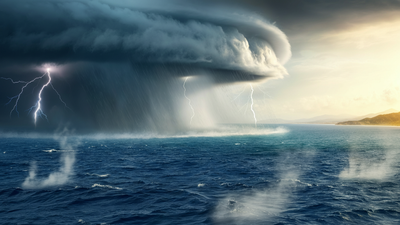
Marine heatwaves are triggered by atmospheric rivers, which are like rivers in the sky carrying moisture and warm air. These airborne systems can either block sunlight with clouds or trap heat with humid air, leading to ocean warming
Marine heatwaves can last for several months and affect marine life across thousands of kilometres. Scientists have long sought to understand what triggers these events. Although changes in the atmosphere, including winds and sunshine, clearly have some role to play in triggering these events, a very interesting phenomenon has also been revealed from higher altitudes.Such interactions illustrate the connection between our atmospheric weather and the deep currents in the ocean that are only starting to be understood. The movement of moisture along such atmospheric rivers, carrying significant quantities of water vapour from warmer areas to colder areas, is sometimes described as rivers in the sky. As such, a river passing over the ocean can alter the balance of sunshine and moisture at the sea surface.
This can rapidly warm the ocean's surface layer.Dual climate engines are responsible for the ocean surface temperatureTo understand how a weather pattern thousands of metres above the ocean can warm the surface, scientists examined two competing forces. In a study published in Nature Communications under the title Detected impacts of atmospheric rivers on marine heatwaves, researchers mapped out exactly how these airborne systems change the marine environment.
The study suggests that when an atmospheric river moves into place, it brings along an incredibly dense blanket of cloud cover. This cloud cover blocks incoming solar radiation, reducing the amount of sunlight reaching the sea surface.However, there is a second, much warmer force at play beneath that same cloud layer. The research paper explains that these sky rivers are also packed with exceptionally humid, warm air masses that act like a heavy thermal blanket.
The humid air also suppresses evaporation, limiting the ocean's ability to lose heat through turbulent heat fluxes. Depending on the specific time of year, one of these two competing forces will ultimately win out, meaning that a sky river might actively cool the sea during certain months while trapping immense amounts of heat during others.
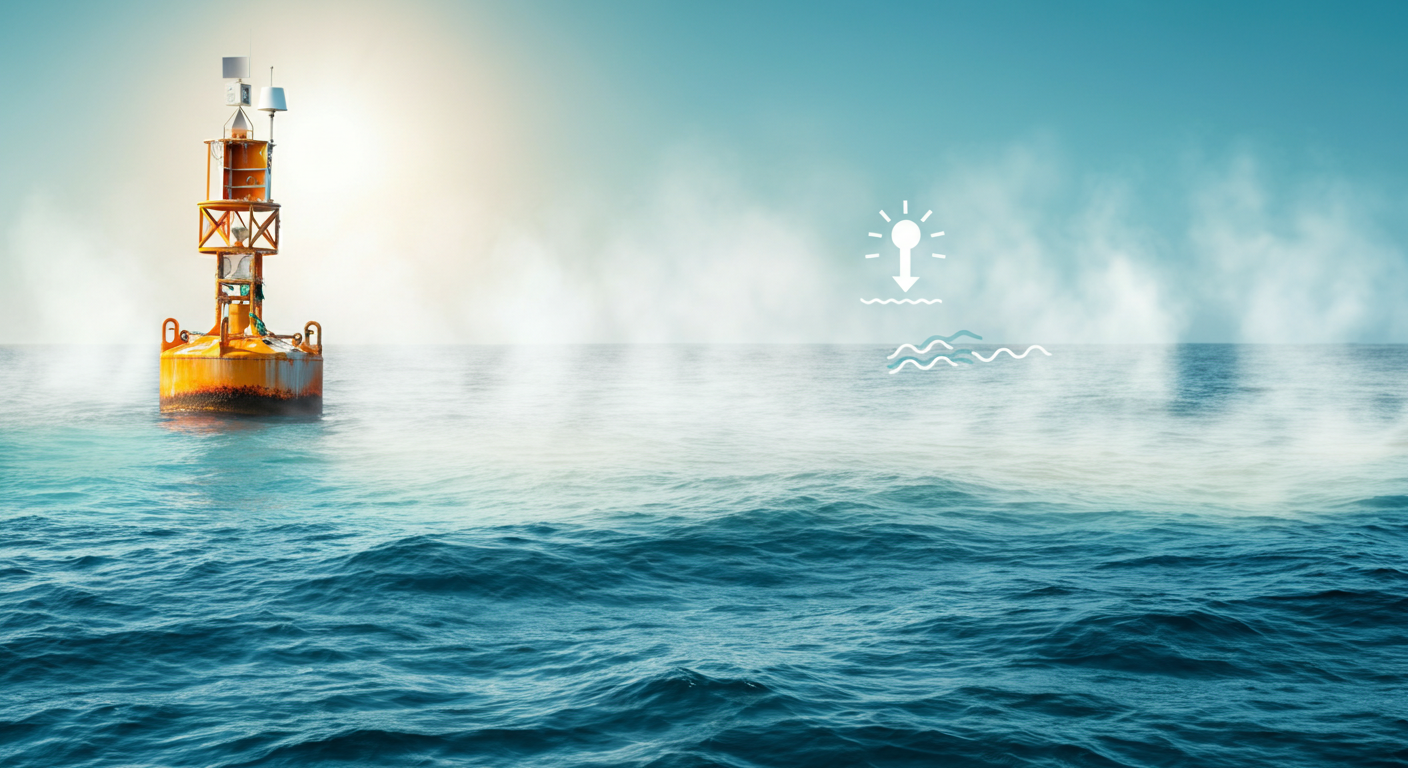
Seasonal shifts influence whether these effects cool or heat the ocean surface, making heatwaves difficult to predict.
Mapping the complex seasonal differences across the northern oceansThese weather systems behave differently as the seasons shift from winter to summer. In a research titled Interaction between atmospheric rivers and marine heatwaves in the North Pacific, environmental scientists explored how these regional variations play out over different months.
During the transition into the warmer seasons, the humid, insulating properties of these sky rivers tend to dominate the environment, turning them into highly effective catalysts for sudden marine warming events over both the North Atlantic and the North Pacific. The trapped warmth cannot escape the ocean's upper boundary layer, setting the stage for major ecological disruption.On the other hand, the climate situation in the cold season may significantly alter this balance and enable the reflectivity of clouds to either reduce surface heating or redirect the thermal energy into entirely new sections of the oceans. This seasonal interplay helps explain why marine heatwaves are difficult to forecast. With the inclusion of these dynamic air passages into marine models, scientists seek to develop much more accurate predictions of such events in the future.
Such predictions would then provide the coastal fishing industry and wildlife organisations with adequate preparation time.









 English (US) ·