

 6 days ago
6
6 days ago
6
ARTICLE AD BOX
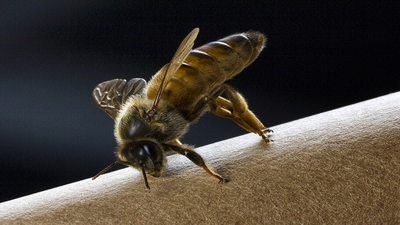
Image of a queen bee. Image Credit: Wikimedia Commons
For decades, biology textbooks offered a simple answer to how honeybee queens develop. If you feed a regular larva of a honeybee with enough royal jelly, it turns into a queen. The new study shows that there is more to the story than meets the eye.According to a study published in the journal Nature, future queens are not determined solely by their diet. Instead, they are reared in special rooms prepared by the young worker bees that regulate the temperature, humidity, and even the chemistry of the wax environment in which the future queen develops. Thus, according to the scientists, the whole 'royal support system' helps rear the future queen.This study may refine scientists’ understanding of queen development and bee colonies.The mystery behind queen bees that baffled scientists for agesBoth queen bees and worker bees begin their lives in nearly identical ways. They are both hatched from fertilised eggs deposited by the queen. However, the differences are stark as queens are bigger, mature faster, have a much longer lifespan, and lay eggs to create more offspring in the colony.According to earlier research, royal jelly was considered the key determinant of these differences. But this new study shows that diet alone does not make a difference.
According to the study conducted by researchers at the Chinese Academy of Agricultural Sciences in collaboration with researchers at the University of California, Riverside, the environment in which the queens grow makes all the difference.As entomologist Boris Baer of the University of California, Riverside, explained, the old understanding of the process was very simple: place the egg in a queen cell, feed her royal jelly, and she turns out to be a queen.Introducing the ‘Queen Cell Builders’Among the most shocking findings from the experiment is the discovery of a new group of young workers known as 'Queen Cell Builders'. These bees seem to have specialised in the creation and maintenance of cells in which new queens are grown.According to the findings from the experiment, these bees work at extremely high body temperatures and experience physiological changes when carrying out their duties. It has been discovered that some of them maintain a body temperature above 39°C while transforming hive wax into queen cells.Instead of just reusing hive wax, the bees actively gather, modify, and enrich it before adding it into the queen cells.
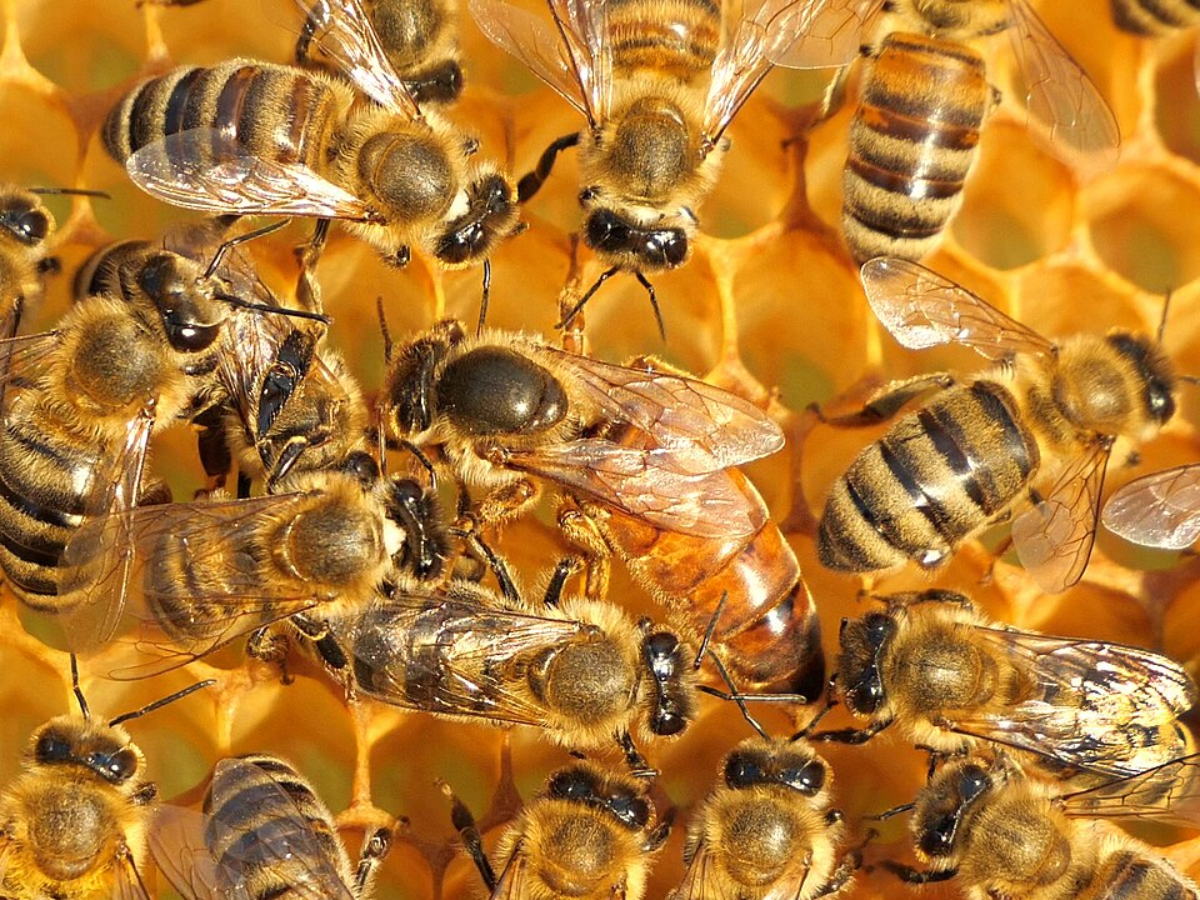
Young to queen bees to get out of the cocoon. Image Credit: Wikimedia Commons
Importance of Queen's NurseryQueen-rearing cells look very different from the honeycomb’s regular hexagonal cells. As compared to worker bees that grow up within conventional hexagonal cells, future queens develop in elongated and peanut-shaped queen cells that are also referred to as queen cells or 'royal cribs.'Through thermal imaging, behavioral testing, chemical analysis, and materials science methods, it was found that the wax of the queen cell possesses special physical and chemical properties.
The wax of queen cells is lighter, more flexible, and is capable of storing heat and moisture better than the wax of other worker cells.Moreover, it contains a variety of fatty acids and chemicals that can affect growth. In order to determine the importance of these structures, scientists raised queen larvae in different types of wax cells.The findings were notable. Although the larvae received the same nutrition, those raised in normal worker wax cells were more likely to die and produce smaller queens than those raised in queen-cell wax.Hive’s version of Buckingham PalaceAccording to scientists, queen development is more complex than a simple nursery model. Discussing the results, Boris Baer drew a parallel with Buckingham Palace, where there is a whole team that serves the future ruler. The researchers discovered that there are dedicated attendants who take care of the developing queens, as well as specialized workers who keep the right conditions for the process of development.The scientists reported similar behavior in Asian and European honeybees.Implications of the discovery beyond beekeepingThe findings could have implications beyond beekeeping. As stated by the scientists, the research suggests the idea that apart from the genetic composition and nutrition, the process of development is affected by the physical and social environment as well. In other words, the outcome of development can be linked to both the place of development and its environment.The discovery could help beekeepers better understand queen rearing. The queen bees are important since the managed honeybees help in the pollination of more than 80 crops all over the world.Queen bees seemed to provide one of the best and easiest lessons from nature for ages - special food brings about a special creature.A queen bee is not created by feeding her royal jelly alone.









 English (US) ·