

 1 day ago
5
1 day ago
5
ARTICLE AD BOX
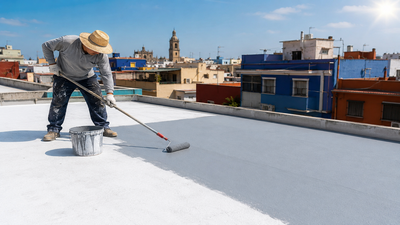
Scientists have developed a revolutionary plant-based paint that keeps buildings cool without electricity, offering a vibrant alternative to stark white coatings. Image Credit: ChatGPT
When summer arrives in suburban areas, houses can act like large heat sinks. Anyone who has touched a roof or wall in July knows how hot it can get. Until now, the main options were to paint everything white or run air conditioners all day.
Although it helps the roofs reflect sunlight, it does not suit many people aesthetically.Researchers say the material could offer a cooler, more colourful alternative for buildings. Researchers have created a plant-based coating that can help surfaces stay cooler without electricity. Unlike older experimental cooling methods that only worked if the surface was stark white, this new option comes in a full spectrum of rich shades.
It means you could soon paint exterior walls blue, red, or green while potentially improving cooling performance.This design and climate milestone was published in the journal Nature Energy. The study, led by Professor Dangyuan Lei and his engineering research team at the City University of Hong Kong, details how a sustainable, plant-derived material can automatically sort itself into a smart cooling system while it dries.
During testing in hot and humid climates, the coating lowered surface temperature by up to 9°C, according to the study.Turning plant fibres into a self-assembling heat shieldTo truly appreciate how this smart paint works, it helps to look at the clever physics happening inside the liquid formula. Traditional heat-reflective coatings usually require two separate layers to achieve a colored look without absorbing massive amounts of heat. First, workers have to apply a thick, chalky white base coat to bounce away invisible solar rays, followed by a separate colored topcoat to make it look nice.
This multi-step process is expensive, time-consuming, and prone to peeling over time.The Hong Kong research team solved this problem by using ethyl cellulose, a compound derived from plant cell walls. By mixing this plant-based ingredient into a specialised liquid solution, they created a formula that does all the hard structural work entirely on its own. When you brush or spray the mixture onto a surface, it undergoes a natural drying process where the molecules automatically organise themselves into two distinct layers.The bottom section dries into a thick, porous white matrix that acts like a mirror, reflecting an incredible ninety-seven per cent of all incoming sunlight. Meanwhile, the top section automatically forms a colourful, smooth skin that gives the surface its aesthetic beauty. This single-step application could make the coating easier to apply with standard rollers or spray equipment.
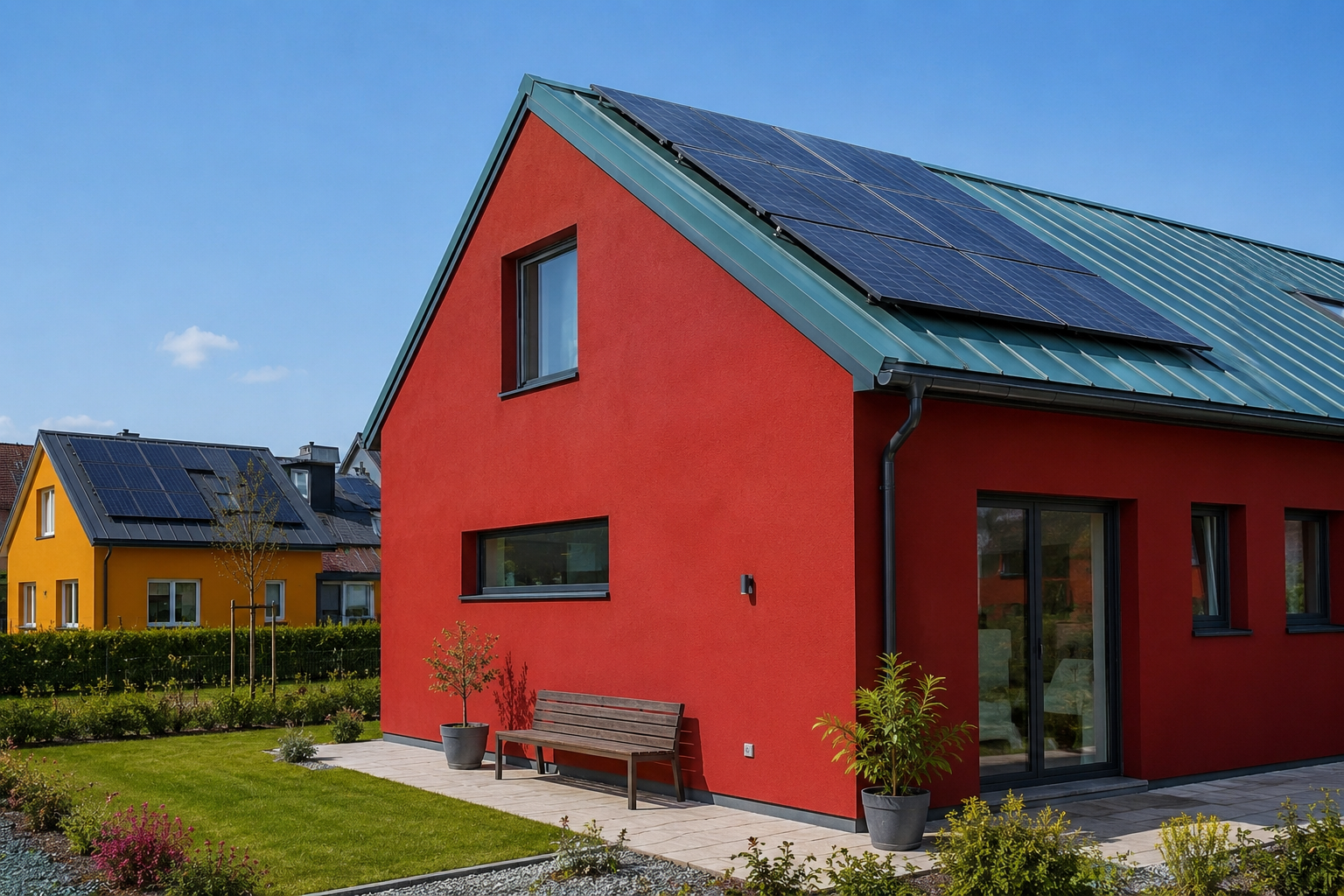
This innovative material self-assembles into a dual-layer system, reflecting sunlight while providing rich colours. Tested in hot climates, it significantly lowered surface temperatures, promising a stylish solution to combat urban heat islands and reduce energy consumption. Image Credit: ChatGPT
A stylish shield against rising urban temperaturesThe real-world applications of a colourful cooling paint extend far beyond simply lowering the monthly utility bills for a single household.
In many cities, concrete, asphalt and dark rooftops absorb solar energy during the day and release it at night. This can contribute to the urban heat island effect, which can make city centres several degrees hotter than surrounding areas and increase cooling demand.By giving homeowners and urban planners the freedom to choose beautiful colours without sacrificing thermal performance, this plant-derived coating could accelerate the adoption of passive cooling architecture.
Buildings treated with the coating can reflect sunlight and radiate heat through the atmospheric window. This passive behaviour helps ease the immense strain on local electrical grids during peak summer afternoon heatwaves.The researchers also tested the coating for durability outdoors. The final product has great physical strength and is resistant to the wear and tear caused by ultraviolet light, rain, and other scratches. Because it uses plant-derived fibres, the product may offer a more sustainable option. It suggests paint-based cooling could become one option for reducing indoor heat.









 English (US) ·