

 1 hour ago
3
1 hour ago
3
ARTICLE AD BOX
Last Updated:March 31, 2026, 18:30 IST
From April 1, India will enforce Solid Waste Management Rules 2026, focusing on segregation, accountability, and cleaner urban environments.
The Solid Waste Management Rules, 2026, notified by the Ministry of Environment, Forest and Climate Change on January 27, will officially come into force from April 1, 2026. These updated rules mark a major shift from the earlier framework, introducing stricter segregation, accountability, and digital monitoring to address India’s growing waste challenge.
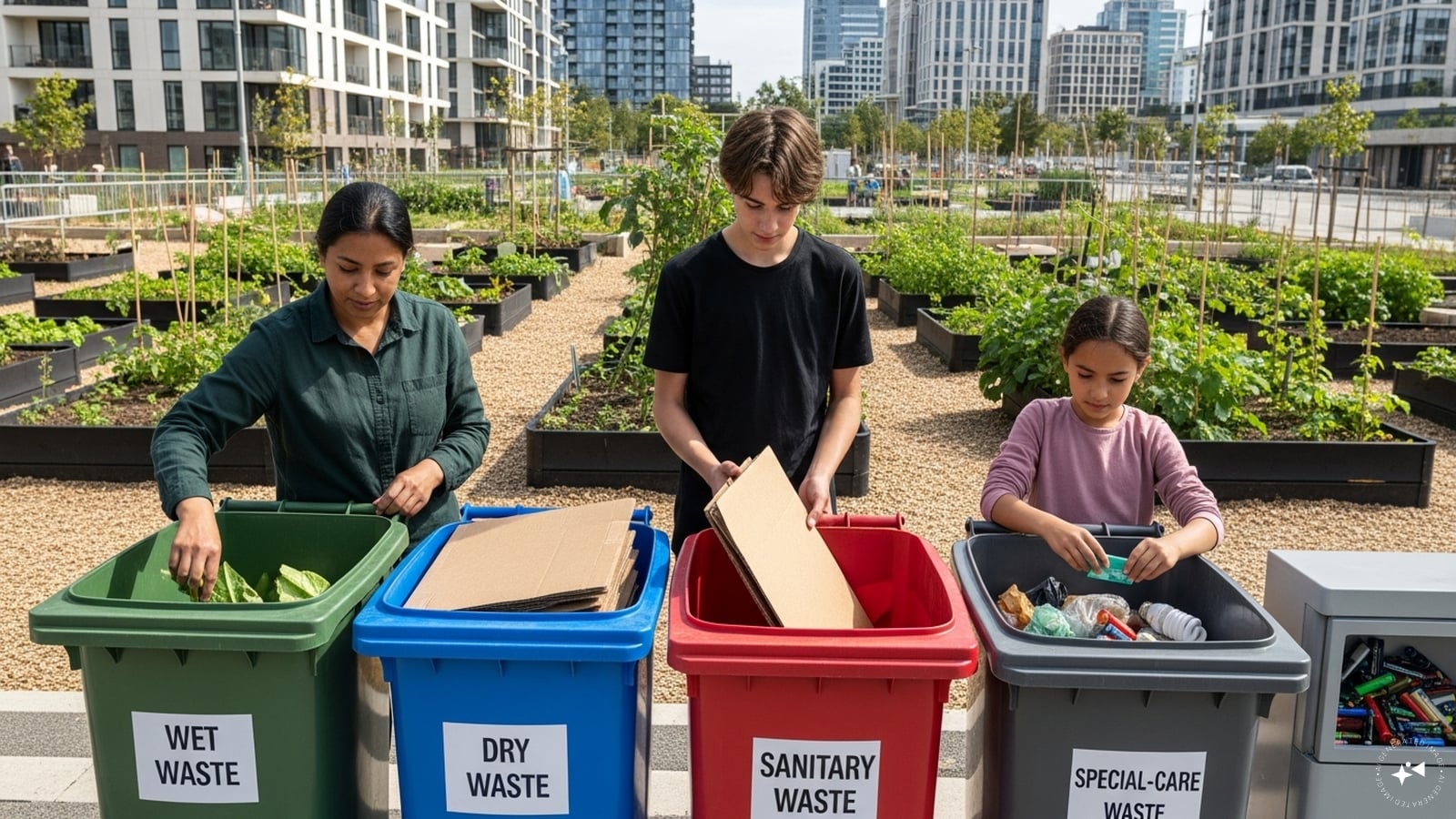
Stricter Segregation at Source: Households and institutions must now segregate waste into four categories - wet waste, dry waste, sanitary waste, and special-care waste. This step is designed to improve recycling, composting, and scientific disposal, reducing the burden on landfills.
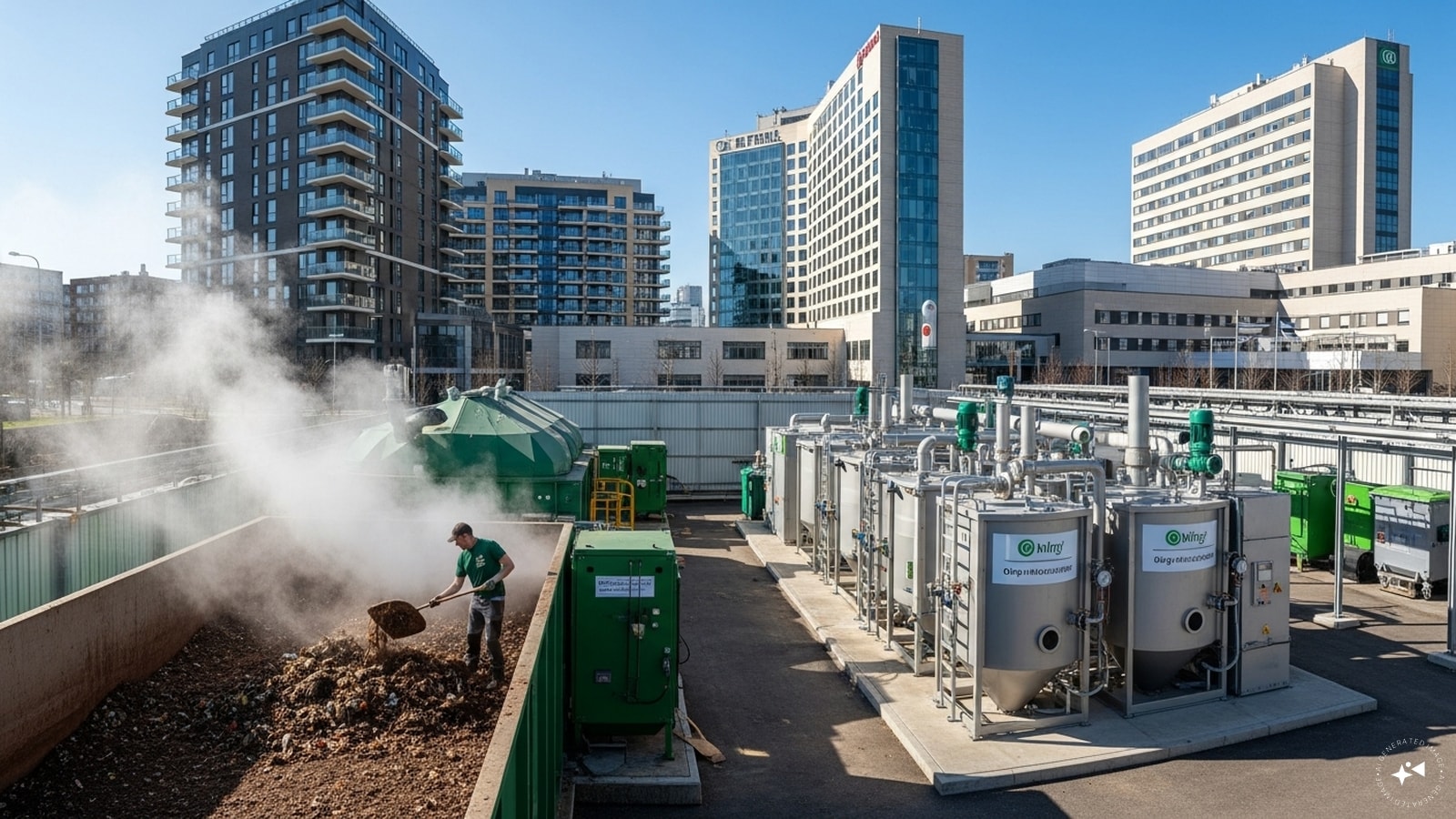
Responsibility of Bulk Waste Generators: Large institutions such as housing societies, hotels, and hospitals are required to manage their waste on-site. Composting or bio-methanation units must be set up to ensure that bulk waste does not overwhelm municipal systems.

Digital Tracking and Transparency: A new digital monitoring system will track the entire waste management chain, from collection to disposal. This transparency is expected to curb illegal dumping and enforce compliance more effectively.
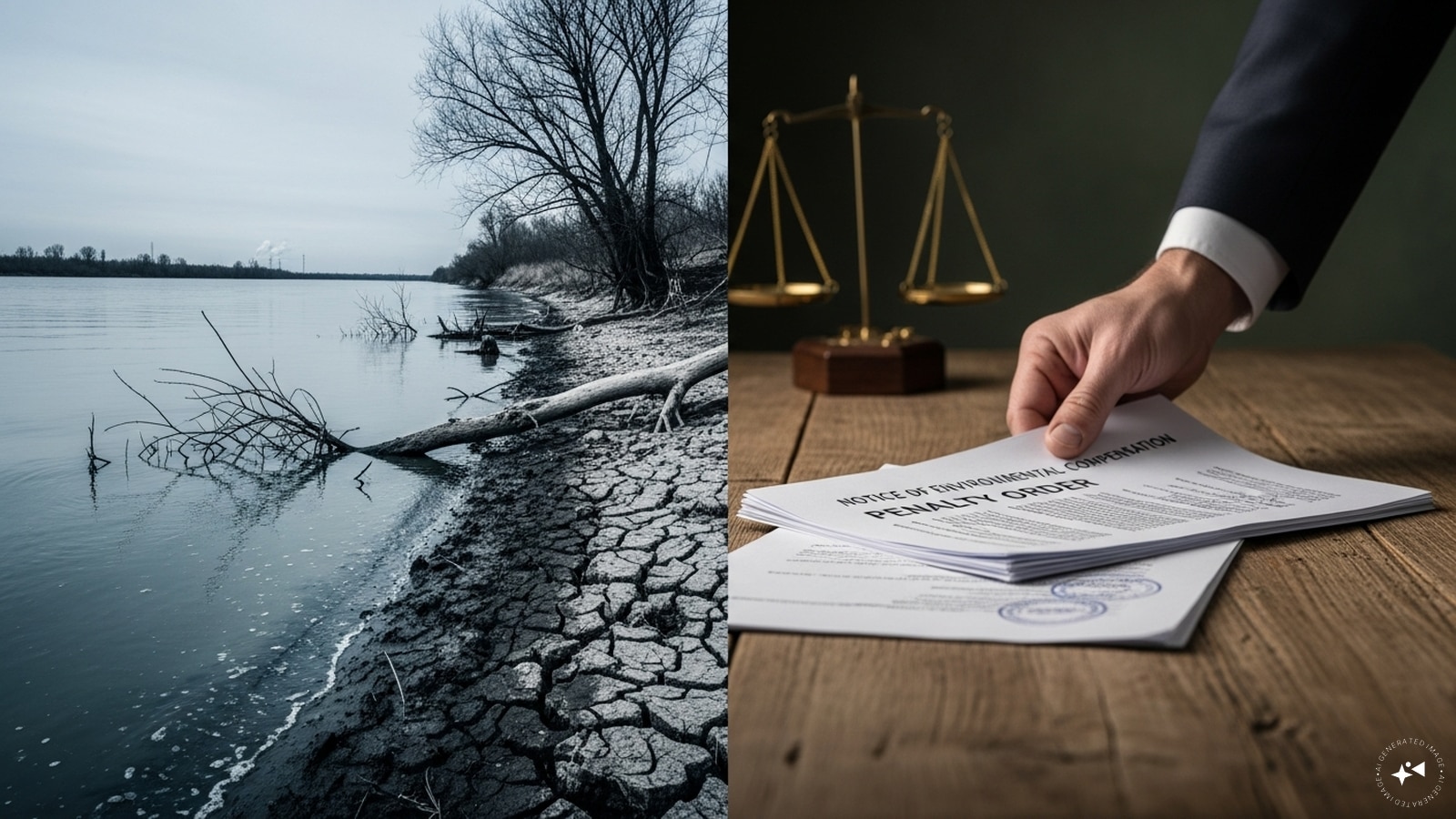
Penalties Under Polluter Pays Principle: Violations will attract environmental compensation, with fines imposed on individuals, institutions, or local bodies that fail to comply. This ensures accountability and encourages strict adherence to the rules.
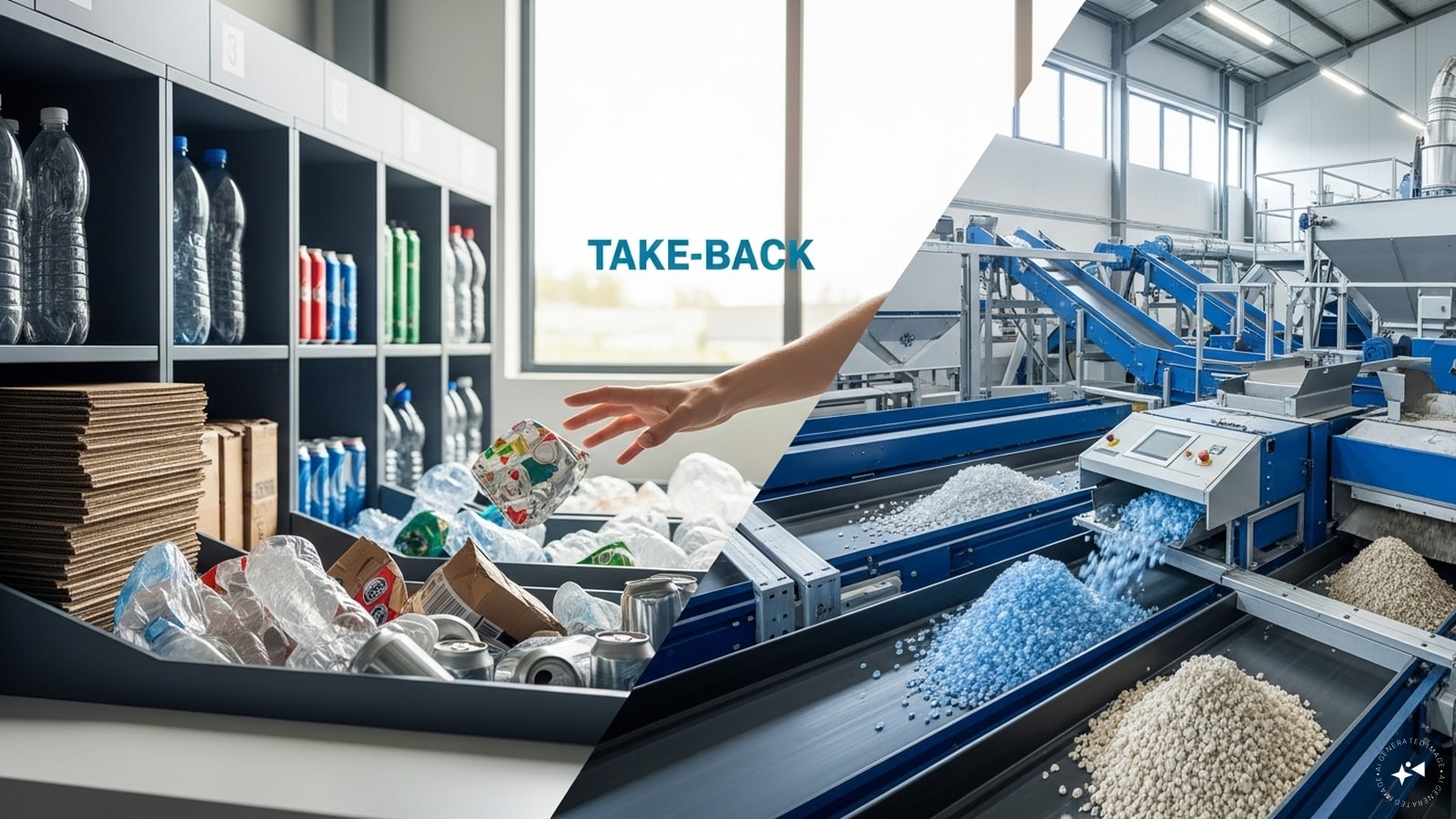
Emphasis on Circular Economy: The 2026 rules integrate circular economy principles, focusing on reuse, recycling, and resource recovery. Extended Producer Responsibility has been strengthened, requiring manufacturers to take back and recycle packaging waste.

Infrastructure Support for Local Bodies: Urban local bodies will receive priority land allocation for setting up waste processing plants. This provision aims to reduce delays in infrastructure development and improve efficiency.
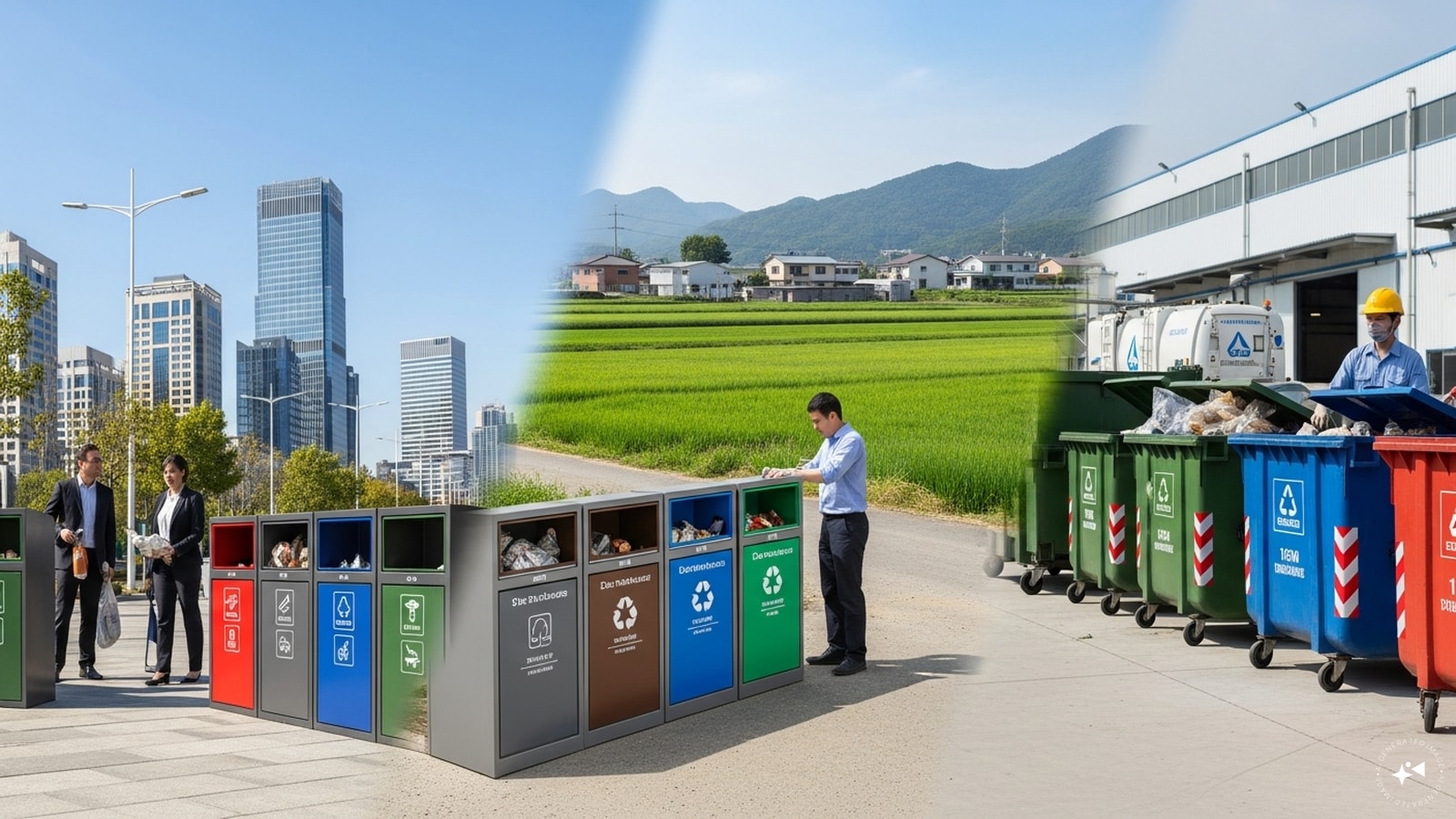
Wider Applicability Across Entities: The rules apply uniformly to urban and rural authorities, private entities, PPP projects, SEZs, and industrial townships. This broad scope ensures consistent waste management standards nationwide.

Training and Capacity Building: State Pollution Control Boards have begun conducting workshops to train officials and clarify enforcement responsibilities. These sessions are crucial for smooth implementation and long-term success.
News Photogallery india Segregation, Fines, Digital Tracking: India’s New Waste Rules From April 1







 English (US) ·