

 3 hours ago
6
3 hours ago
6
ARTICLE AD BOX
3 min readNew DelhiFeb 14, 2026 04:21 AM IST
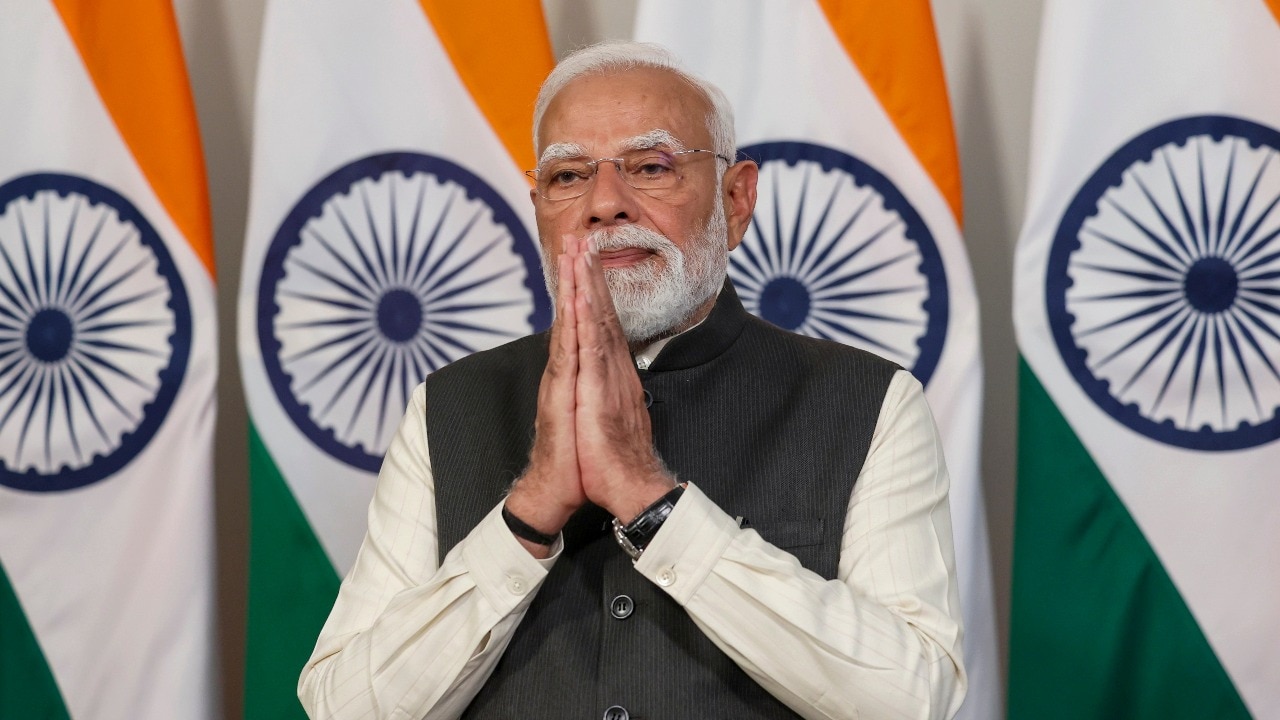
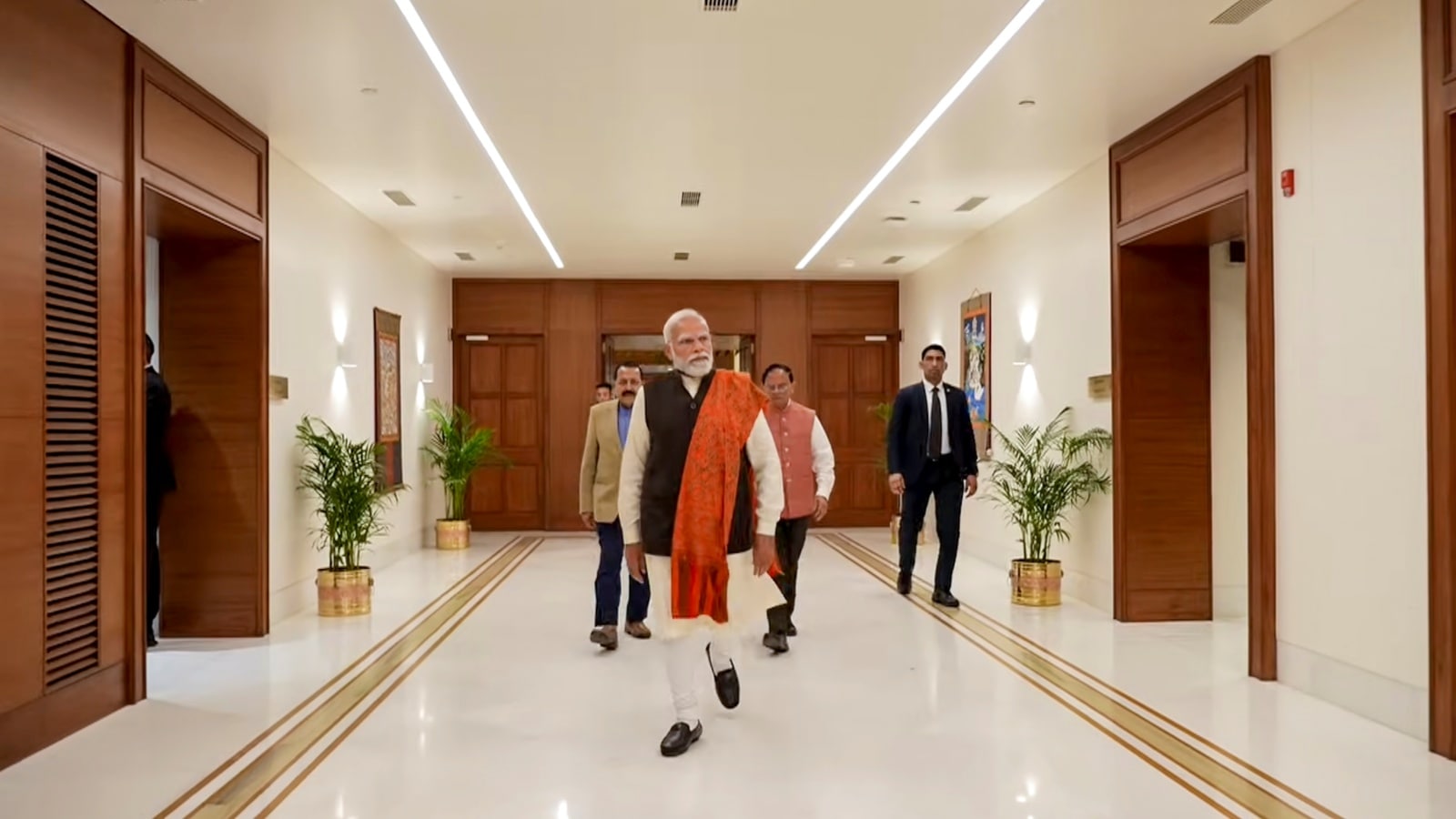 Prime Minister Narendra Modi at Seva Teerth complex, Friday. (Photo: PTI)
Prime Minister Narendra Modi on Friday shifted to his new office at Seva Teerth complex from the colonial-era South Block building on Raisina Hill, where the PMO was located since Independence.
Addressing an event after inaugurating the Seva Teerth, as well as two Central Secretariat buildings, called Kartavya Bhavan 1 and 2, the PM said buildings in the North and South Block were “built as symbols of the British Empire and their purpose was to keep India chained in slavery for centuries”.
“The new complexes like Seva Teerth and Kartavya Bhavan have been built to fulfil the aspirations of India and its people,” he said. “The decisions made here will not reflect the thinking of any Maharaja (monarch) but will serve as the foundation for advancing the aspirations of 1.4 billion citizens. With this sacred spirit, today I am dedicating this Seva Teerth and Kartavya Bhavan to the people of India.”
Earlier, in a post on X, the PM said: “May Seva Teerth always stand as a radiant symbol of duty, compassion, commitment to the principle of India First… May it inspire generations to walk the path of selfless service and tireless dedication to the welfare of all.”
The Executive Enclave complex or Seva Teerth, on Dara Shikoh Road (formerly Dalhousie Road), also houses the National Security Council Secretariat and the Cabinet Secretariat. It has been built under the Central Vista redevelopment project. In addition to Executive Enclave Part 1, a new residence for the PM, called Executive Enclave Part 2, is also under construction nearby.
After moving to the new PMO, Modi garlanded a statue of Lord Ganesha and cleared a series of welfare measures, including a scheme for cashless treatment of up to Rs 1.5 lakh for accident victims under the PM RAHAT scheme. Minister of State Jitendra Singh, National Security Advisor Ajit Doval and Principal Secretaries P K Mishra and Shaktikanta Das were present.
The PM also approved files relating to:
* Doubling the target of Lakhpati Didi scheme to 6 crore. The scheme aims to empower rural women in Self-Help Groups to become Lakhpati Didis (earning over Rs 1 lakh/year) through income-generating activities.
Story continues below this ad
* Doubling the Agriculture Infrastructure Fund from Rs 1 lakh crore to Rs 2 lakh crore.
* A Startup India Fund of Funds 2.0 with a corpus of Rs. 10,000 crore, which the PM said will “encourage startups in early stages and deep-tech research.”
The PM said the decisions taken “reaffirm the spirit of Nagrik Devo Bhava (citizen is akin to God) and add momentum to our vision of building a Viksit Bharat”.
Since the tenure of the first Prime Minister, Jawaharlal Nehru, the PMO has worked out of South Block, which was constructed along with North Block as the Secretariat buildings by the imperial British government in the 1920s-1930s.
Story continues below this ad
Modi said the new buildings were constructed as those in North and South Block were short of space and the structures were deteriorating from within. He said the new buildings will also reduce the government’s expenditure on office rent and logistics.
Meanwhile, after the inauguration of the new PMO, Delhi Metro’s Udyog Bhawan station has been renamed as Seva Teerth.

Harikishan Sharma, Senior Assistant Editor at The Indian Express' National Bureau, specializes in reporting on governance, policy, and data. He covers the Prime Minister’s Office and pivotal central ministries, such as the Ministry of Agriculture & Farmers’ Welfare, Ministry of Cooperation, Ministry of Consumer Affairs, Food and Public Distribution, Ministry of Rural Development, and Ministry of Jal Shakti. His work primarily revolves around reporting and policy analysis. In addition to this, he authors a weekly column titled "STATE-ISTICALLY SPEAKING," which is prominently featured on The Indian Express website. In this column, he immerses readers in narratives deeply rooted in socio-economic, political, and electoral data, providing insightful perspectives on these critical aspects of governance and society. ... Read More
Stay updated with the latest - Click here to follow us on Instagram
© The Indian Express Pvt Ltd


 English (US) ·