

 1 hour ago
7
1 hour ago
7
ARTICLE AD BOX
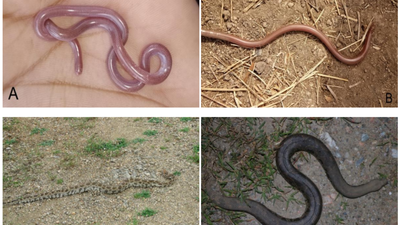
Image: Indian Grassland and Fodder Research Institute
India's grasslands often go unnoticed but are super important for many reptiles, especially some amazing non-venomous snakes. These spots, from the dry areas in the west to the floodplains in the east and the Western Ghats, give snakes homes, breeding spots, and places to hunt.
Plus, they help keep biodiversity up by aiding all sorts of animals, like birds and mammals too.Researchers from the Indian Grassland and Fodder Research Institute have repeatedly highlighted that Indian grasslands are biodiversity-rich ecosystems that deserve greater conservation attention. As ecologists note, grasslands are “crucial ecosystems that provide numerous ecological services and support biodiversity conservation”.
Where to spot non-venomous snakes in Indian grasslands
Here are seven fascinating places to spot non-venomous grassland snakes in India:
1. Hessarghatta Grasslands (Karnataka)
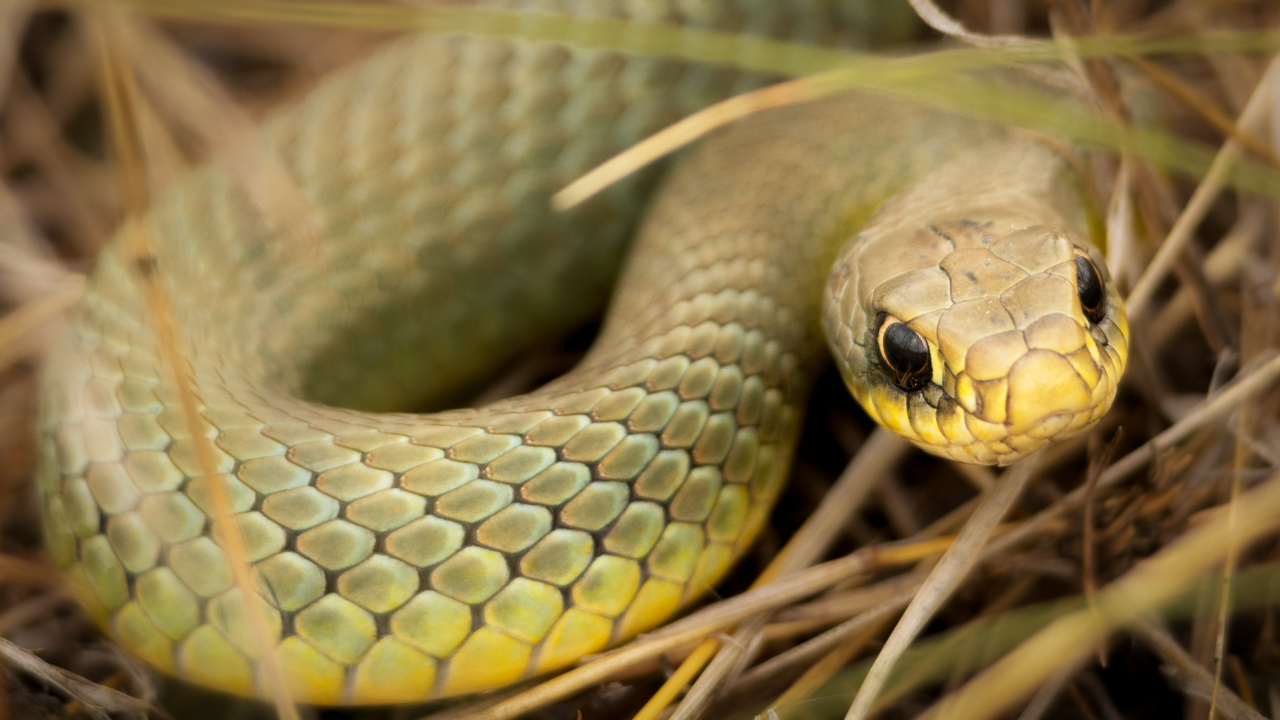
Image: Canva
Hessarghatta Grasslands are a typical temporary shallow wetland, generally seen in dry areas, with surrounding grassy margins that support reptiles, including non‑venomous snakes. A list of Biodiversity of Hessarghatta Grasslands notes there are ratsnakes (ptyas mucosus) around this grassland.
2. Kanha Tiger Reserve Grasslands (Madhya Pradesh)
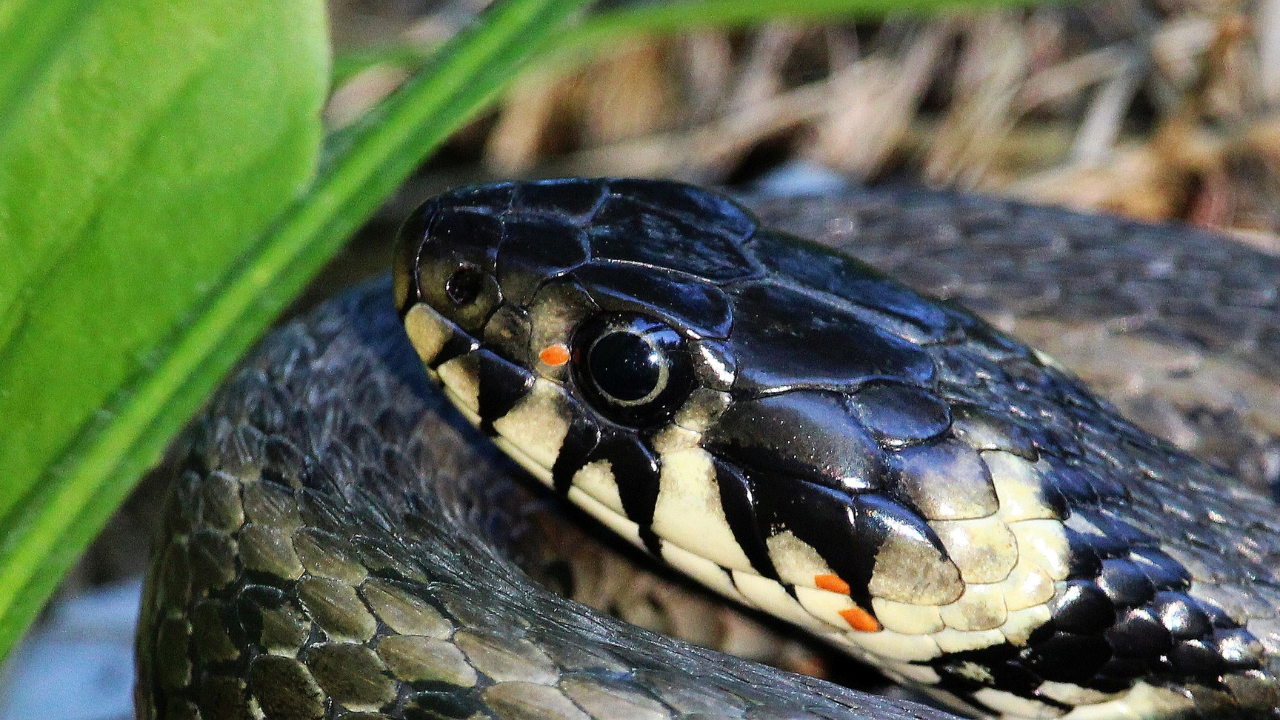
Image: Canva
Kanha’s grassland communities support a range of reptiles, and the reserve’s grassland dynamics are well documented.
As per the official site data from Kanha Earth Lodge, Rat Snake (Ptyas mucosus), Wolf Snake (Lycodon aulicus), and theVine Snake (Ahaetulla nasuta) are prominent here.
3. Kaziranga National Park Grasslands (Assam)
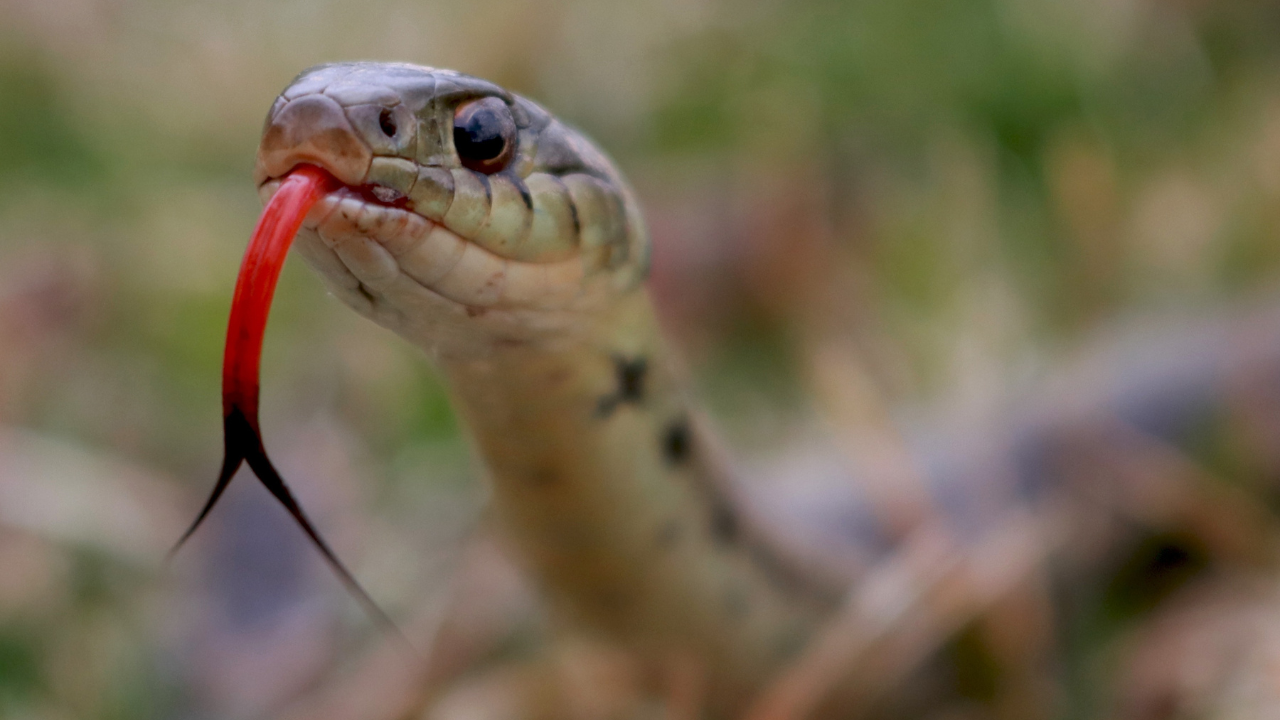
Image: Canva
Recent herpetofaunal surveys in Kaziranga have recorded diverse reptile species across grassland habitats. Non‑venomous colubrids are abundant here.
4. Megamalai Grasslands (Tamil Nadu)
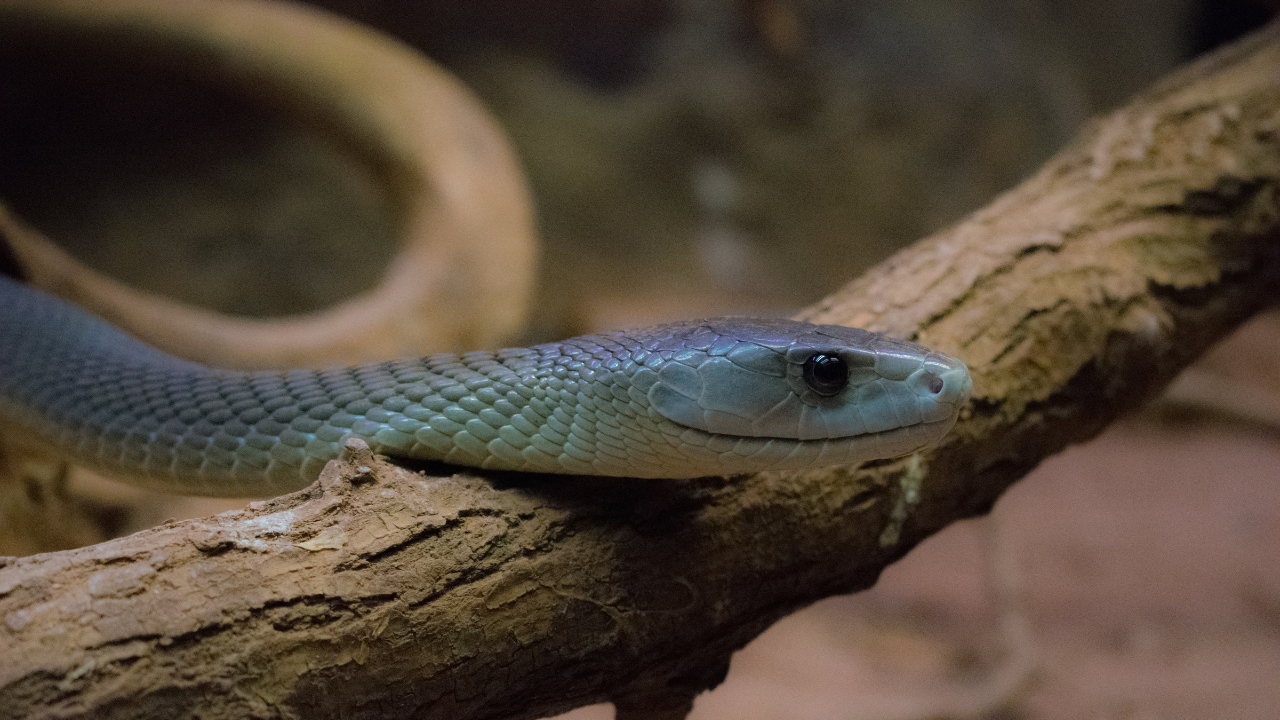
Image: Canva
A research titled ‘Herpetofauna of the Meghamalai Wildlife Sanctuary, Southern Western Ghats, India’ entails Megamalai hosts open grasslands with rocky and scrub habitats where a newly described racer snake, Platyceps josephi, occurs.
This species is non‑venomous and adapted to grassland life.
5. Rajasthan’s Thorny Grasslands (Rajasthan)
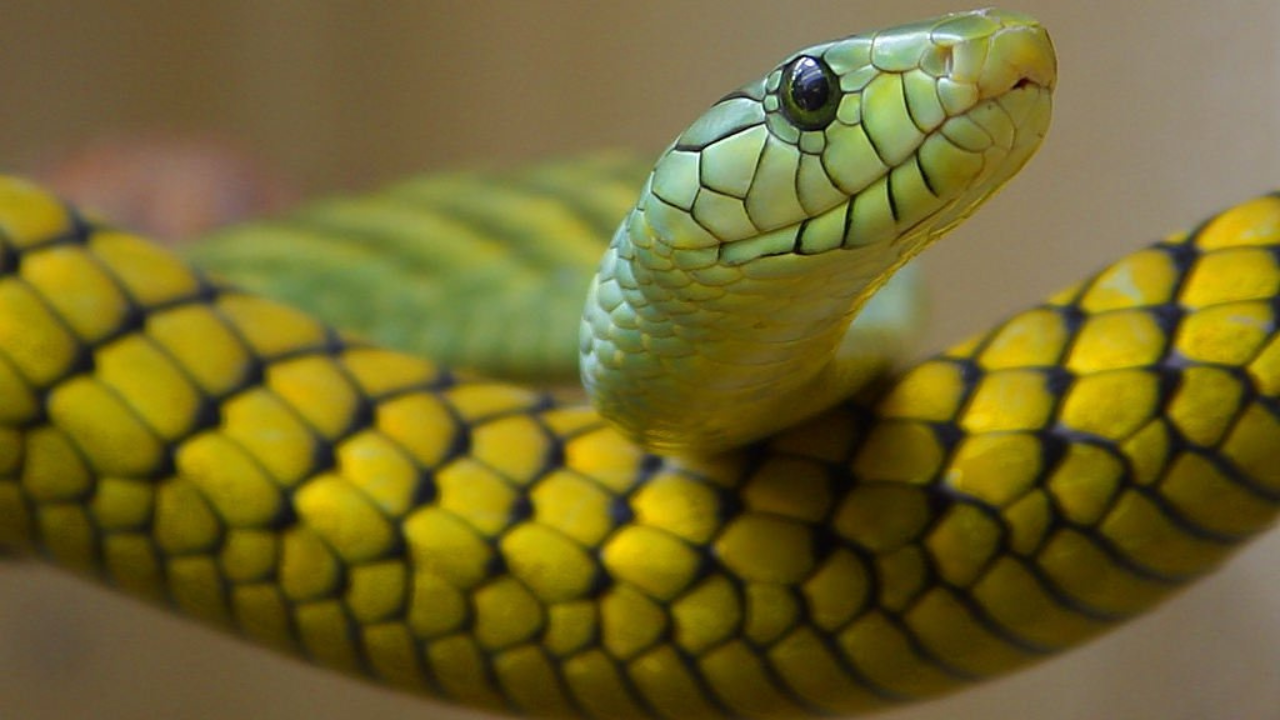
Image: Canva
Herpetofauna checklists from studies like ‘Diversity of Snakes in and around Jawai Dam, Rajasthan, India’ state that Rajasthan has several non‑venomous species (around 15 species) that use grassland and open plain habitats, including the common trinket snake and sand boa.
6. Sunderbans Grassland Mosaics (West Bengal)
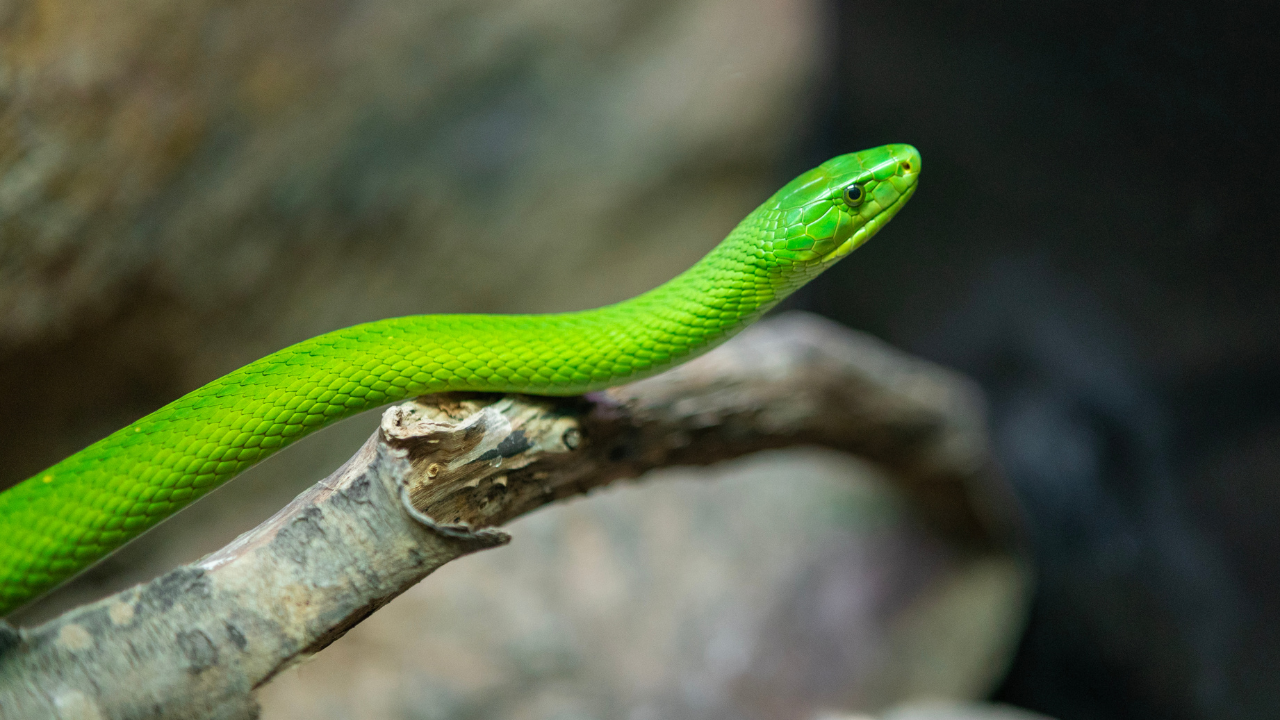
Image: Canva
Herpetofauna surveys conducted by the Government of West Bengal in the Sunderbans list 67 reptile species, many of which use grassland and mangrove edges, including harmless water snakes, Indian Rock Python (Python molurus), Dog-faced Water Snake (Cerberus rynchops) and colubrids.
7. Eastern Himalaya Mid‑Elevation Grasslands (Northeast India)
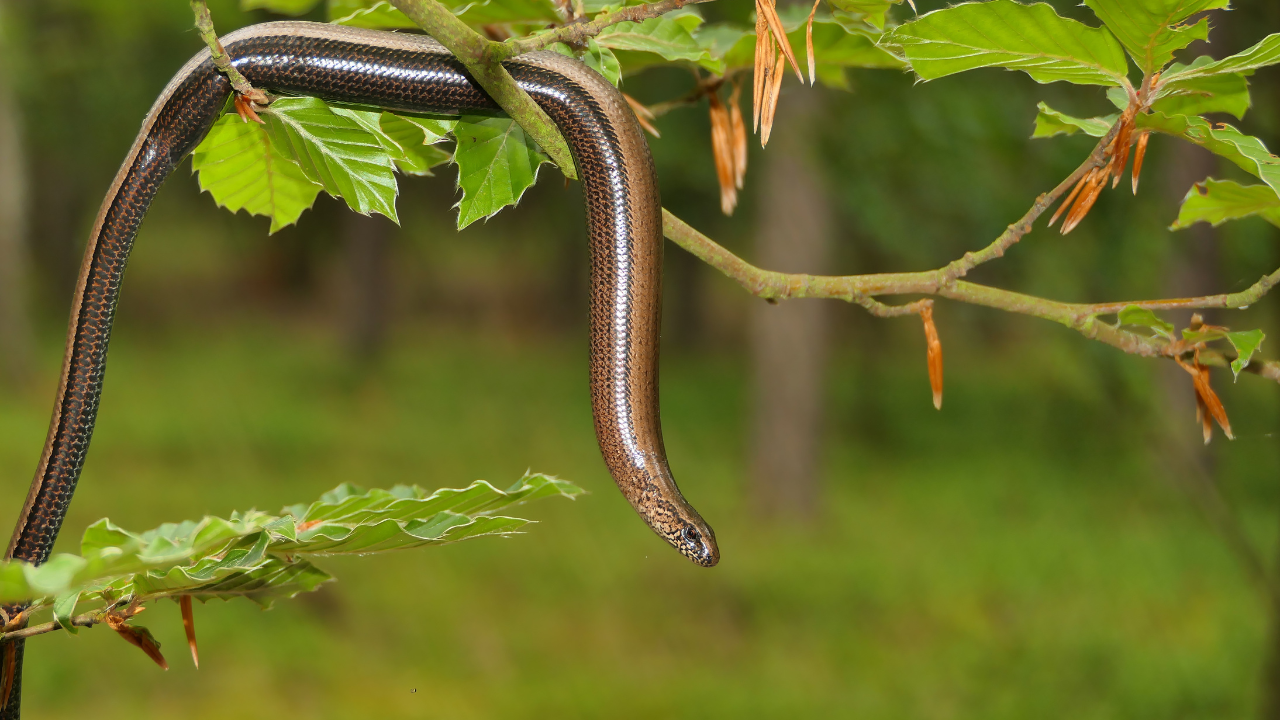
Image: Canva
A survey of amphibians and reptiles by the Department of Zoology, Rajiv Gandhi University in low‑ to mid‑elevation montane tracts of Northeast India recorded significant reptile diversity, including grassland‑use species. Non‑venomous snakes such as painted bronzebacks are part of this assemblage.









 English (US) ·