

 5 days ago
6
5 days ago
6
ARTICLE AD BOX
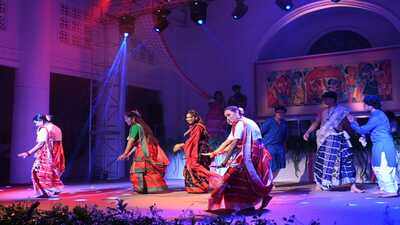
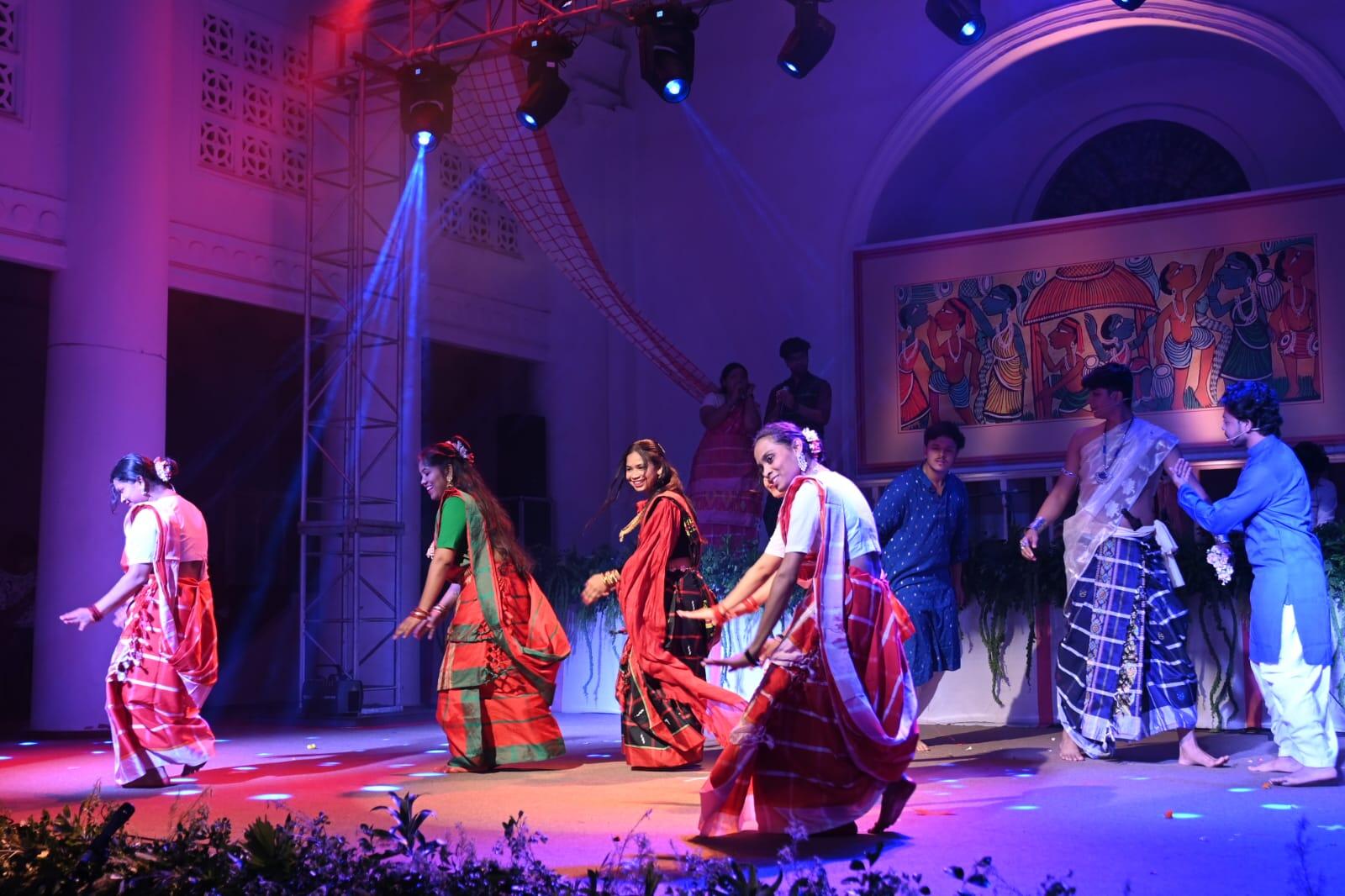
The Will of Shakespeare is a one-of-a-kind theatre initiative that brings together 20 young performers from KIIT (Kalinga Institute of Industrial Technology) and KISS (Kalinga Institute of Social Sciences), Bhubaneswar.
Representing diverse academic backgrounds and tribal communities from across India, the ensemble is united by a shared love for theatre, storytelling and the preservation of indigenous culture. The project creates a compelling dialogue between Shakespeare's timeless works and India's rich tribal heritage, allowing young artists to reinterpret classical literature through the lens of their own language, traditions and lived experiences.The troupe presents three of Shakespeare's most celebrated plays—Hamlet, Macbeth and Romeo and Juliet—reimagined in the Santali cultural tradition. Adapted, directed, narrated and performed entirely by the students, the productions weave together Shakespeare's enduring themes with Santali music, dance, costumes and oral storytelling practices. The result is a powerful fusion of global literature and indigenous expression that demonstrates how classic texts can resonate across cultures and generations.
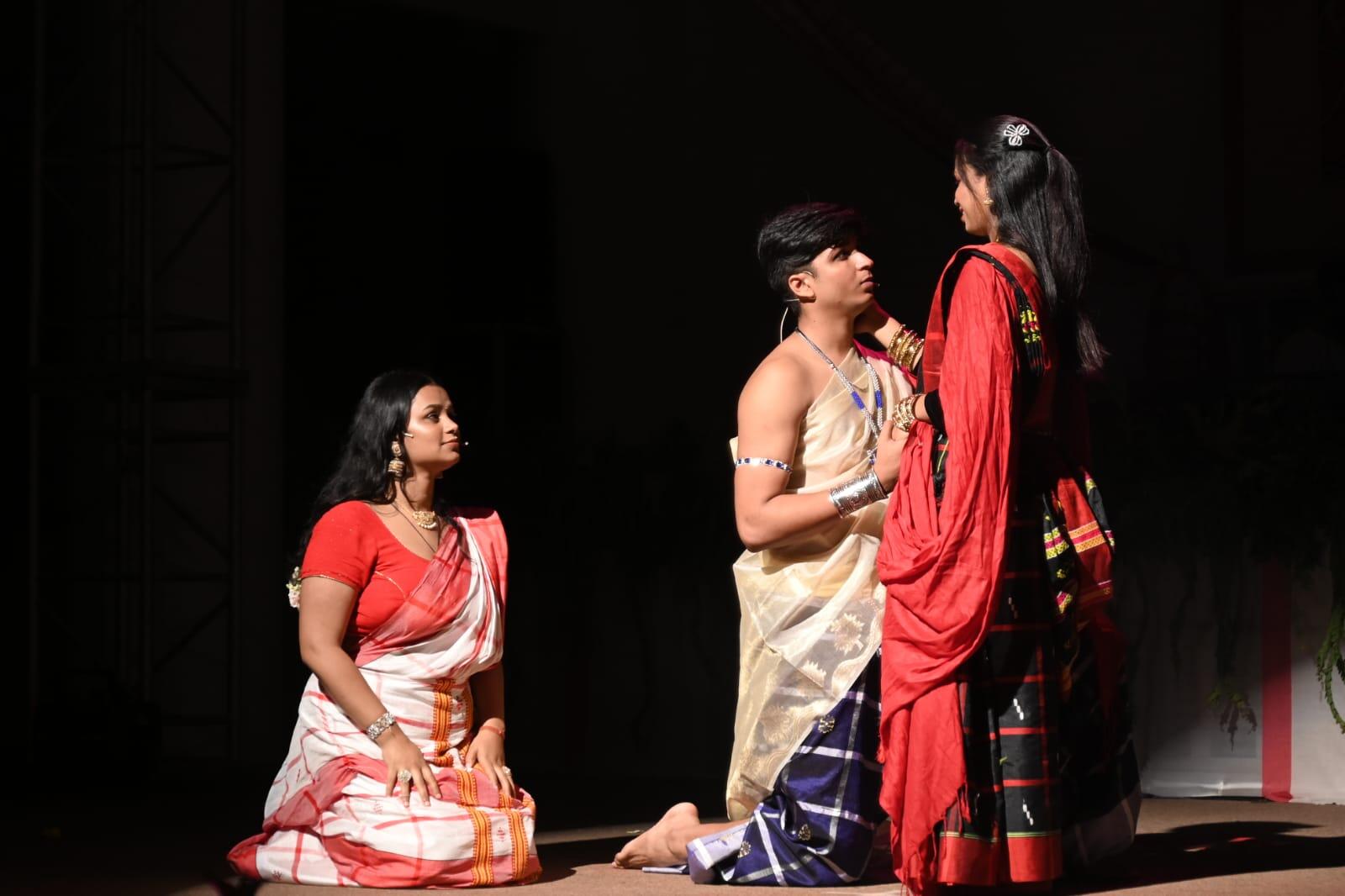
The ensemble's innovative approach has already earned international acclaim. Earlier this year, the group represented India at the International Shakespeare Festival in Craiova, Romania, where its distinctive interpretation of Shakespeare received widespread appreciation. On their return, the performers were welcomed at Rashtrapati Bhavan by President Draupadi Murmu, whose recognition underscored the significance of showcasing India's tribal languages and cultural traditions on the global stage.More than a theatrical production, The Will of Shakespeare is a celebration of cultural identity and artistic exchange. By presenting Shakespeare through the Santali language and aesthetic traditions, the initiative seeks to preserve and promote indigenous heritage while introducing classical literature to audiences in a fresh and accessible way. It reinforces the idea that culture is dynamic, constantly evolving and capable of forging meaningful connections across borders.

Each play retains the emotional and philosophical core of Shakespeare's original work while acquiring a distinct indigenous identity. Hamlet examines grief, morality and revenge; Macbeth explores ambition, power and its consequences; and Romeo and Juliet becomes a poignant story of love, conflict and reconciliation, enriched by the rhythms, rituals and storytelling traditions of Santali culture.Through its India tour, the ensemble hopes to spark conversations around cultural diversity, amplify the visibility of tribal languages and performing arts, and inspire younger generations to embrace their roots with pride. Above all, the performers believe theatre can serve as a powerful medium for inclusion, cultural dialogue and social harmony, reminding audiences that stories told with authenticity have the power to transcend boundaries and connect people across cultures.








 English (US) ·