

 1 hour ago
8
1 hour ago
8
ARTICLE AD BOX
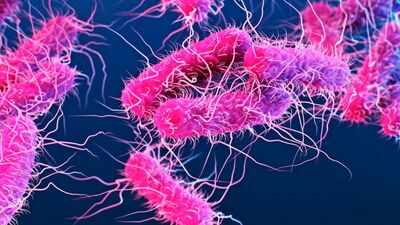
THIRUVANANTHAPURAM: The death toll from Shigella in Kerala rose to six on Sunday after one more death and seven new cases were reported, officials said.According to a statement from the office of Health minister K Muraleedharan, health authorities confirmed that a 54-year-old woman from Mavoor in Kozhikode district, who died on June 20, had tested positive for Shigella infection.The seven newly reported cases include two each from Kozhikode and Thiruvananthapuram, and one each from Thrissur, Malappuram and Wayanad.With this, Kerala has recorded 140 Shigella cases and six deaths in June alone. The total number of confirmed cases this year has risen to 216, officials said.Kozhikode, Malappuram and Wayanad districts have reported the highest number of infections this month. District-wise figures for June include Kozhikode (42), Malappuram (20), Wayanad (19), Thiruvananthapuram (17), Thrissur (12), Kannur (10), Kollam (9), Idukki (3), Palakkad (3), Alappuzha (3) and Ernakulam (2).Health officials said Shigella is a highly contagious bacterial infection that spreads through contaminated food, water and poor hygiene. It mainly affects the intestines and causes symptoms such as diarrhoea, fever and stomach pain. Children, the elderly and people with weakened immunity are most at risk.The department also said the Nipah situation in the state remains under control, with no new suspected cases showing symptoms.
No additional contacts were added to the Nipah monitoring list on Sunday, and all samples tested so far from symptomatic individuals have returned negative results, officials said.At present, 104 people are under observation in connection with the Nipah case. The infected patient remains on ventilator support at the Government Medical College Hospital in Kozhikode.Nipah is a zoonotic virus that spreads from animals, especially fruit bats, to humans, and can also spread through close contact with infected people. It can cause fever, respiratory illness and severe brain inflammation.








 English (US) ·