

 1 week ago
7
1 week ago
7
ARTICLE AD BOX
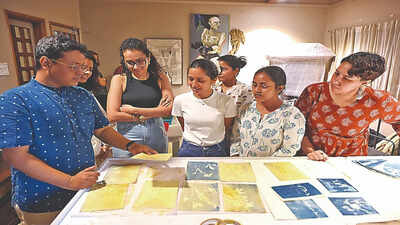
In a world obsessed with instant filters and digital edits, there’s something magical about letting sunlight do the work. At a recent cyanotype workshop at
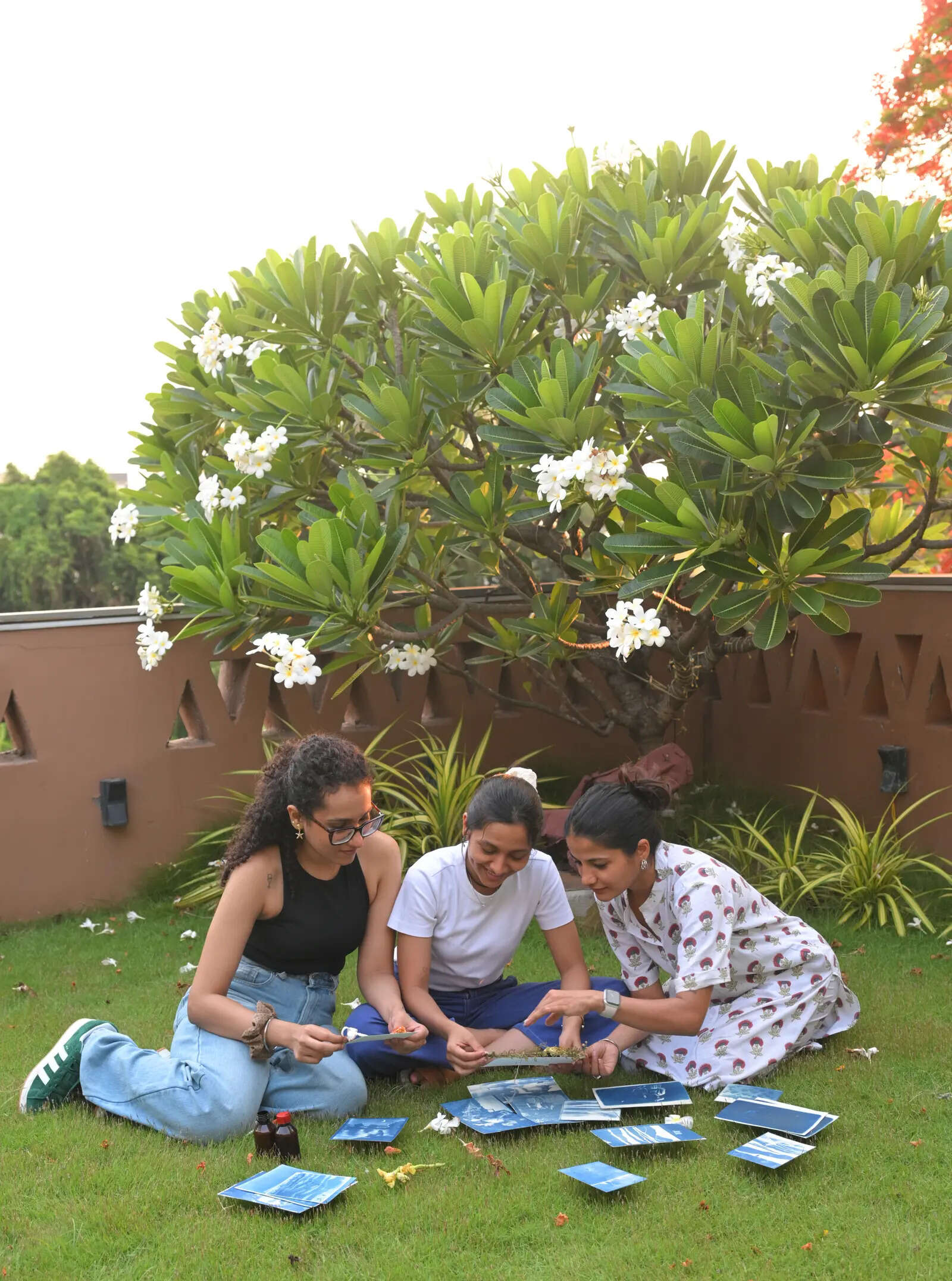
Pics : Anindya Saha
This art form has been around for nearly 200 years, it’s a lasting practice that’s being rediscovered now
–Mukulita Ganguly, multidisciplinary artist

A workshop washed in blueAttendee Tanisha Chawla said the sessions were both creative and social.
The hands-on element stood out most. “The highlight was the botanical printing on the cotton sheet. It was very unique, I might even make greeting cards out of it,” she says.
Explaining the process, Saikat Mondal, who conducted the workshop, says, “Cyanotype is a 19th-century photographic printing technique , sometimes it works, sometimes it doesn’t, but when it does, it’s beautiful,” adding, “People are signing up because it’s simple, accessible, and can even be done at home using sunlight.”
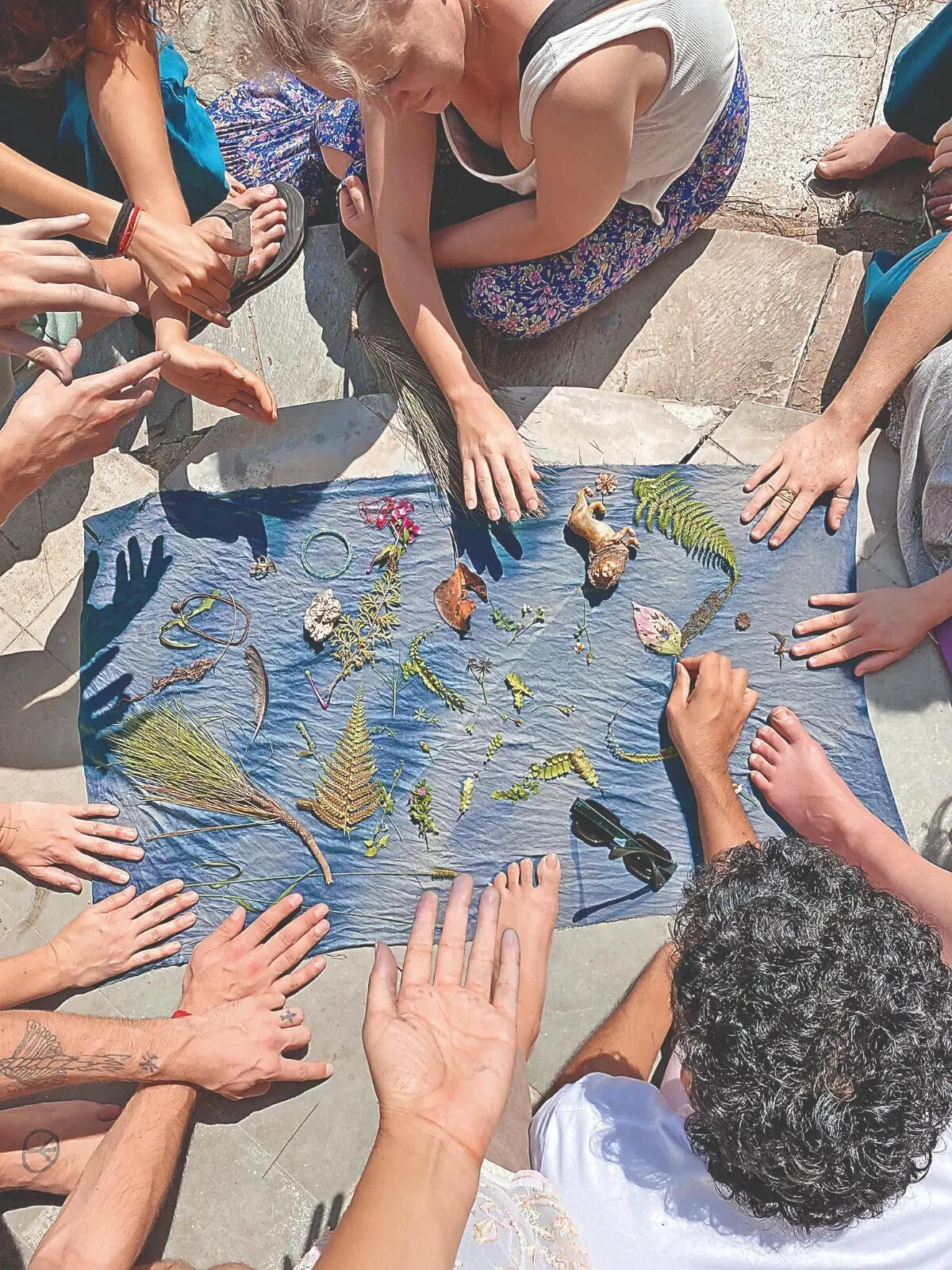
Pic : @liminalspaces_m
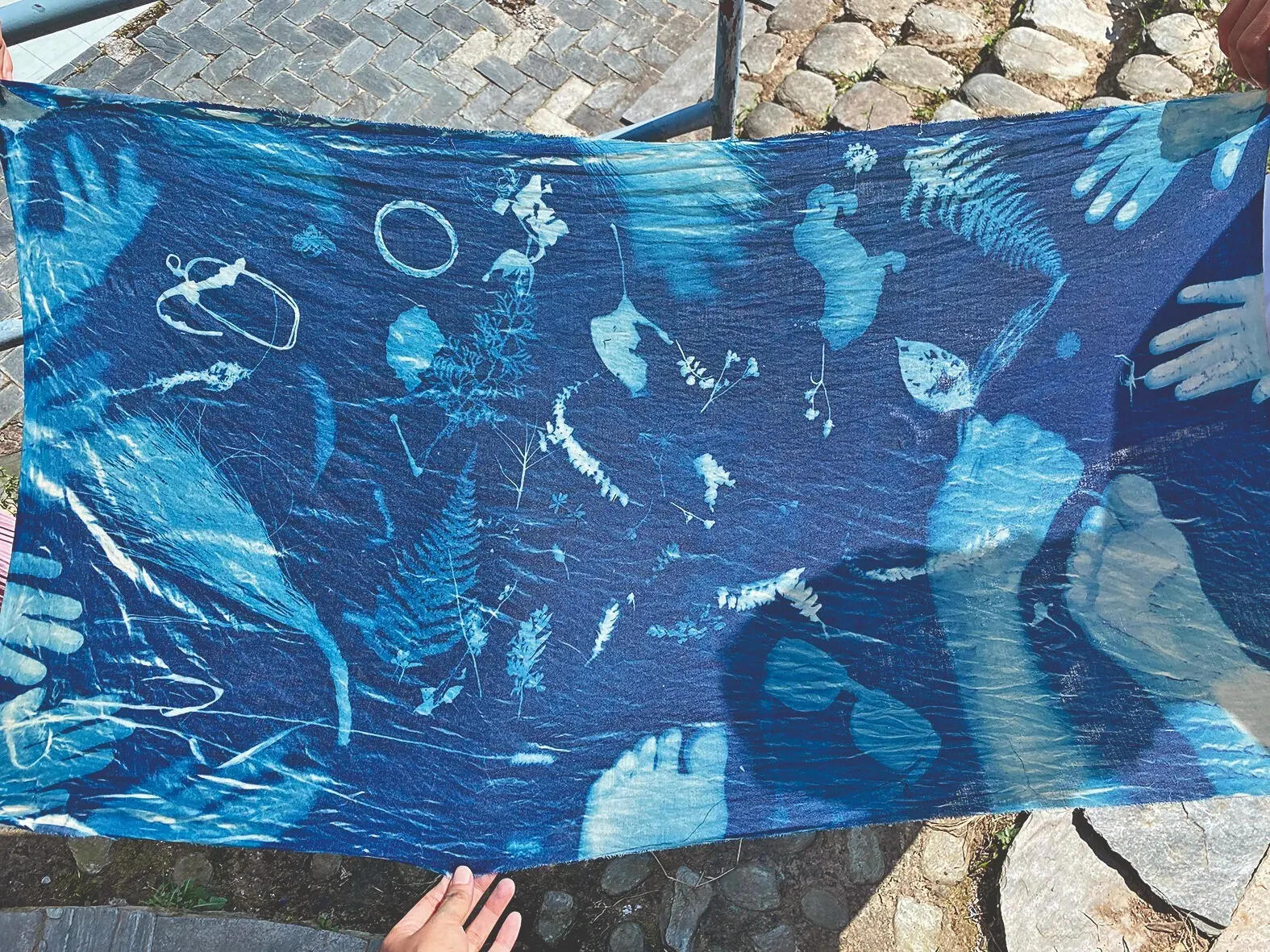
Taking cyanotype home“It’s a very easy process, materials are easily available, and you can do it at home using sunlight,” explains Saikat Mondal, art practitioner. What makes cyanotype addictive is how accessible it is. You don’t need a studio or expensive tools, just sunlight, curiosity, and patience. From balcony plants to old fabrics, everyday objects can become design elements. “I don’t have an artistic bone in my body, or so I thought.
But this felt very accessible,” says Devina Sikdar, attendee, adding, “I’ll definitely try this again.” Try creating bookmarks, postcards, or even experimenting on cloth. It’s a mindful, hands-on activity that turns a slow afternoon into something beautifully tangible.
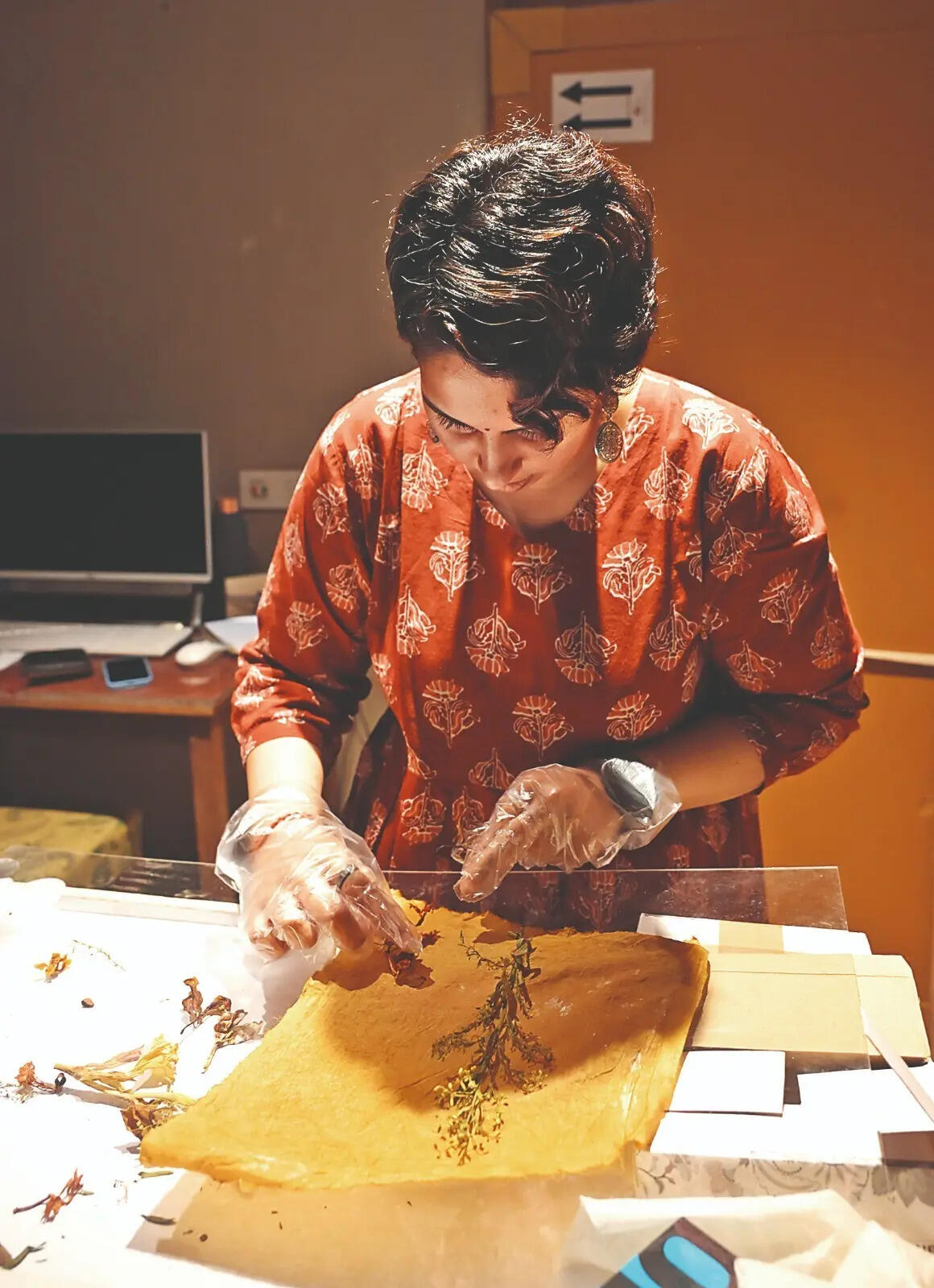
Things you’ll need:
- Ammonium ferric citrate + potassium ferricyanide (kits available),
- 300 GSM watercolour paper / 100% cotton fabric
- Tools like Foam brush, flat brush, or sponge
- Glass sheet or acrylic to hold objects in place
- Clips or tape
- Tray/tub with clean water
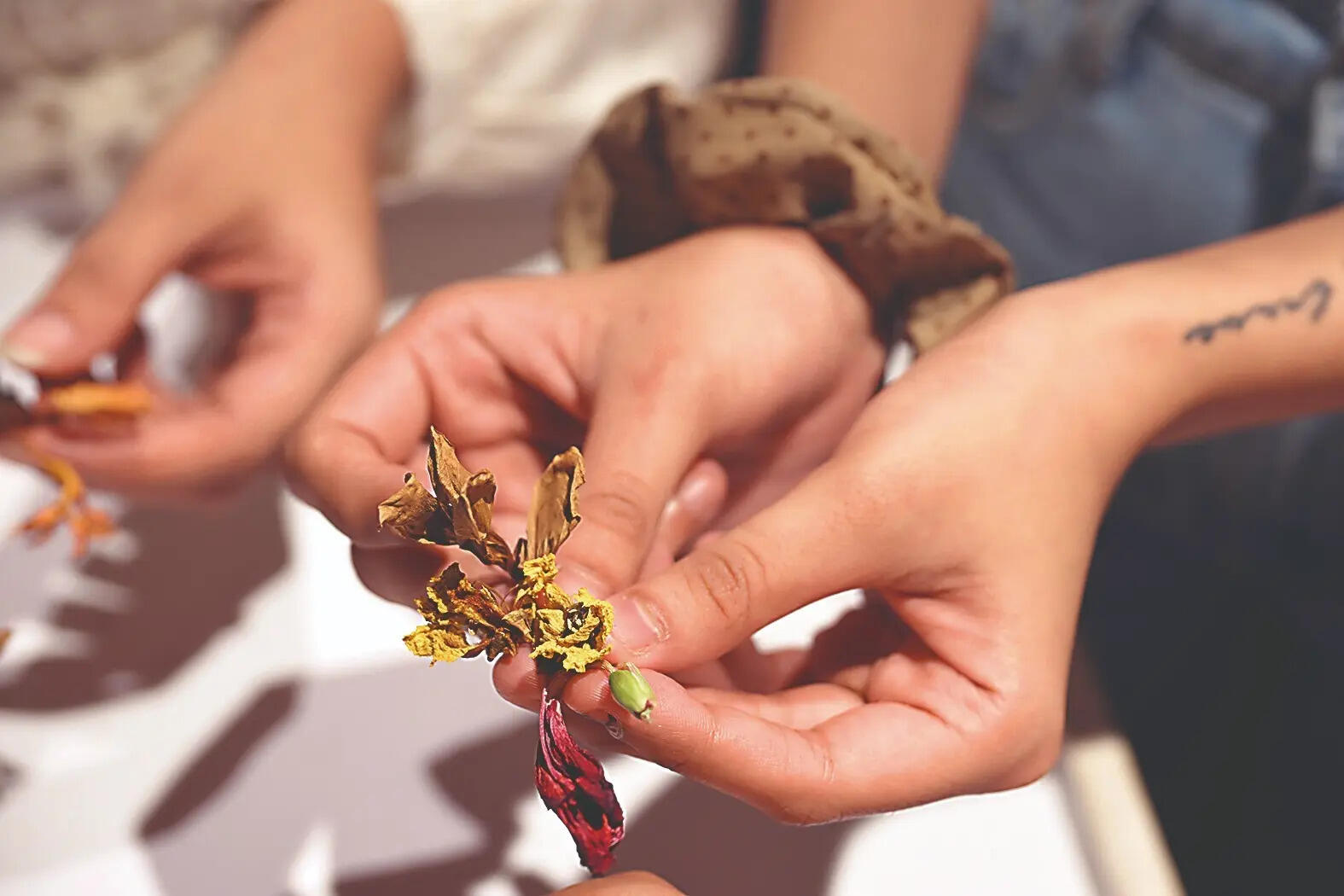
- Design elements like Leaves, flowers, negatives, or objects (lace, keys, cut-outs)
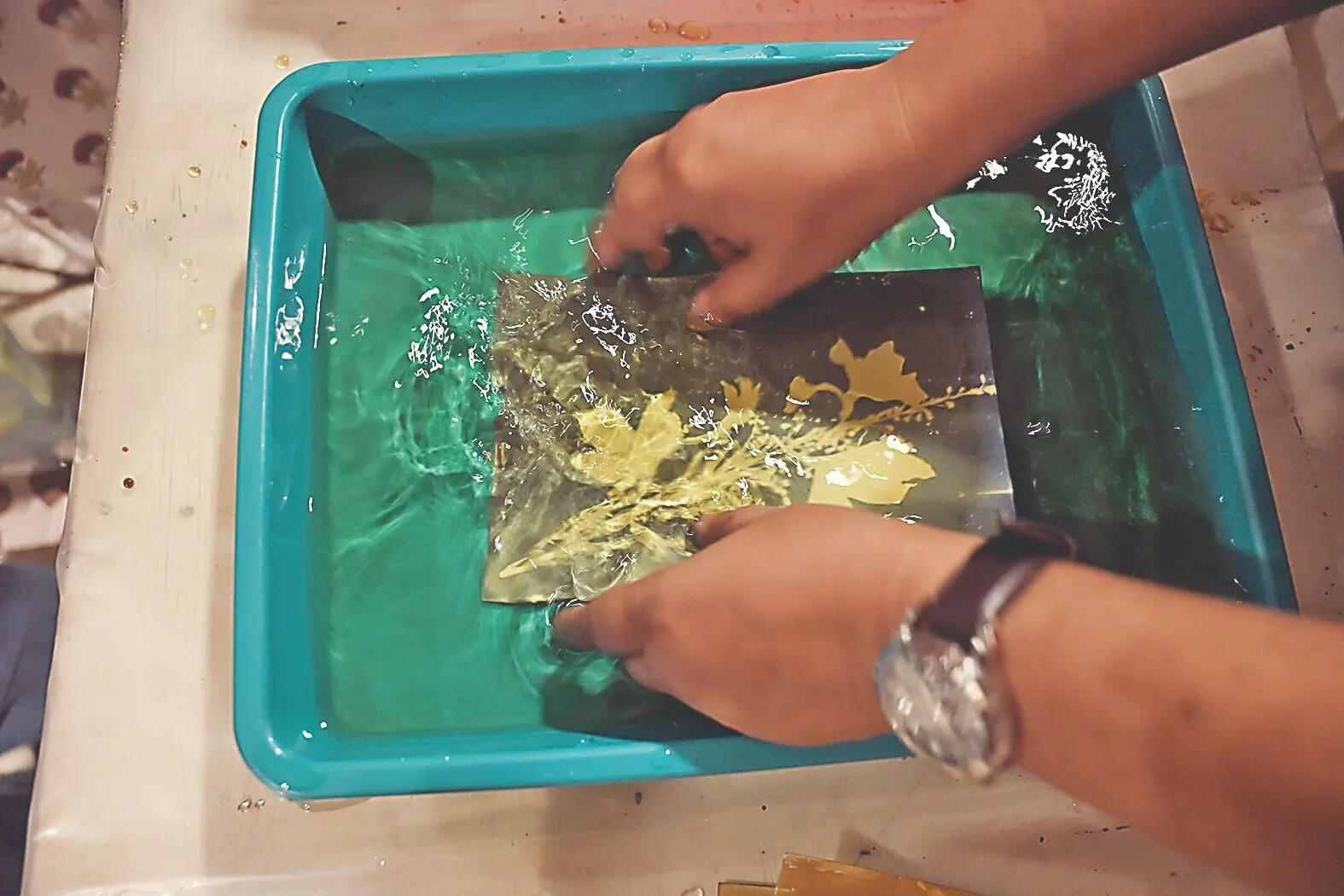
I attended the workshop out of curiosity. But it turned out so tactile and unique. I will keep experimenting with shapes, and try it on fabric
– Purbi Khemka, attendee








 English (US) ·