

 1 hour ago
6
1 hour ago
6
ARTICLE AD BOX
Last Updated:June 12, 2026, 09:20 IST
Bengal's BJP government has ordered smart meters in all 92,000 state offices by August — and officials say domestic consumers could be next in line for the rollout.
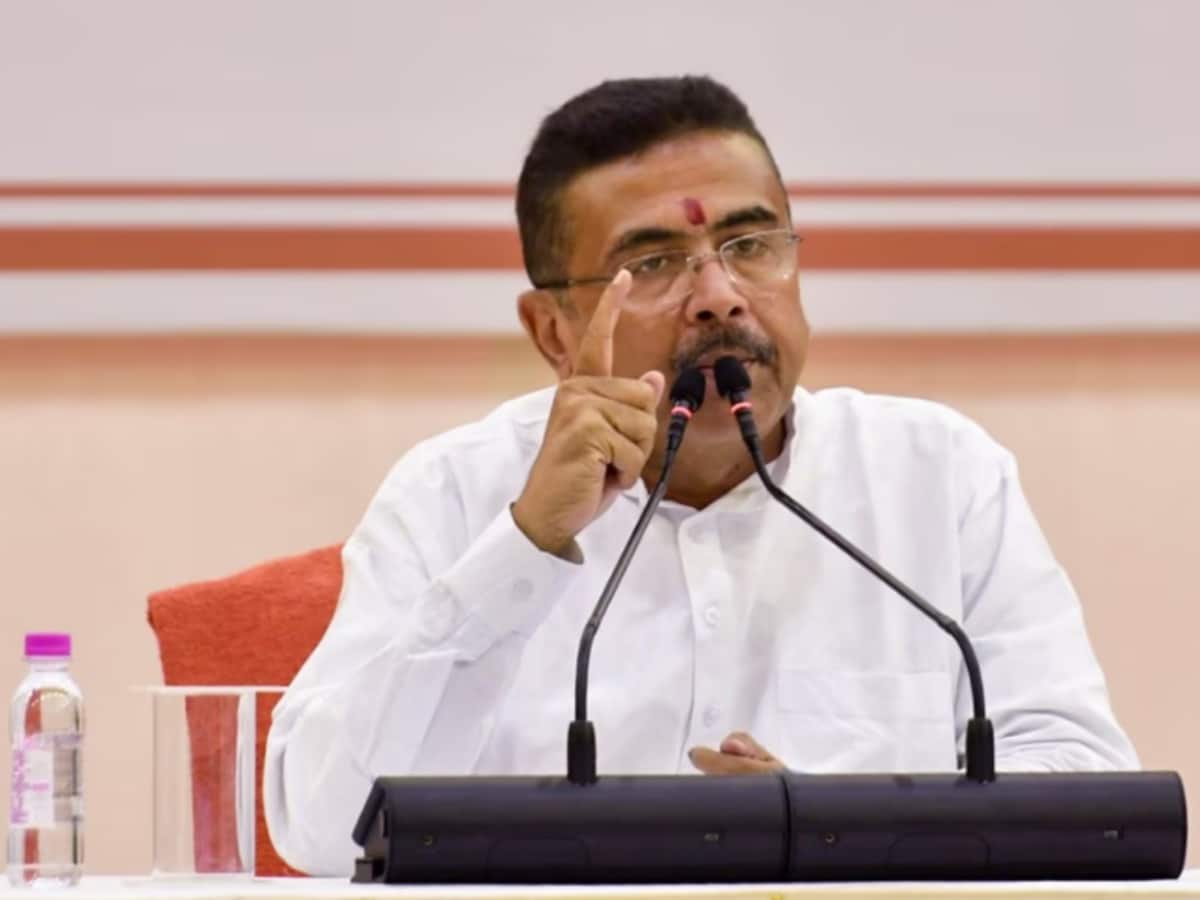
The Suvendu Adhikari-led BJP government in West Bengal has dropped a strong hint that it will push smart prepaid meters for common consumers — after first completing installation in all 92,000 government offices by August. The move signals a fresh attempt at a scheme that was stalled last year amid widespread public resistance.
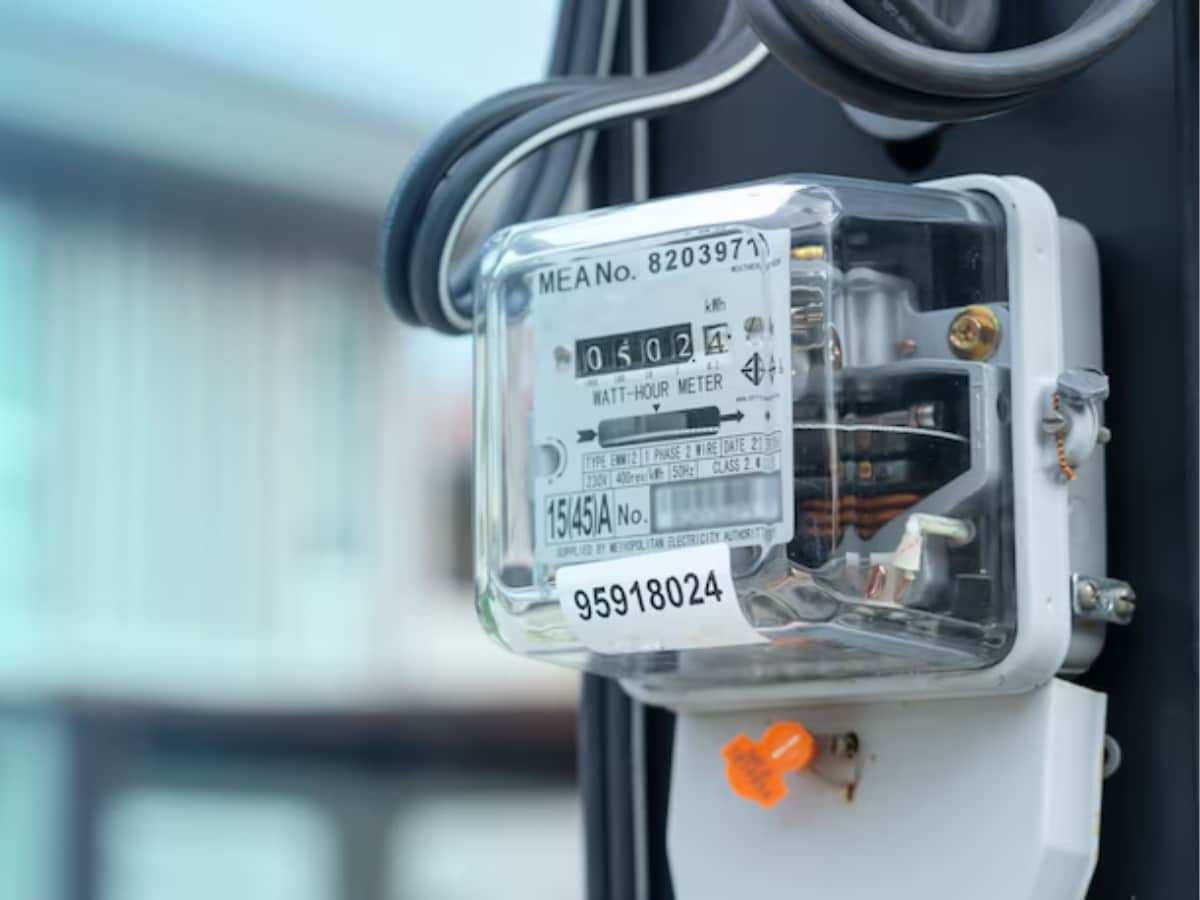
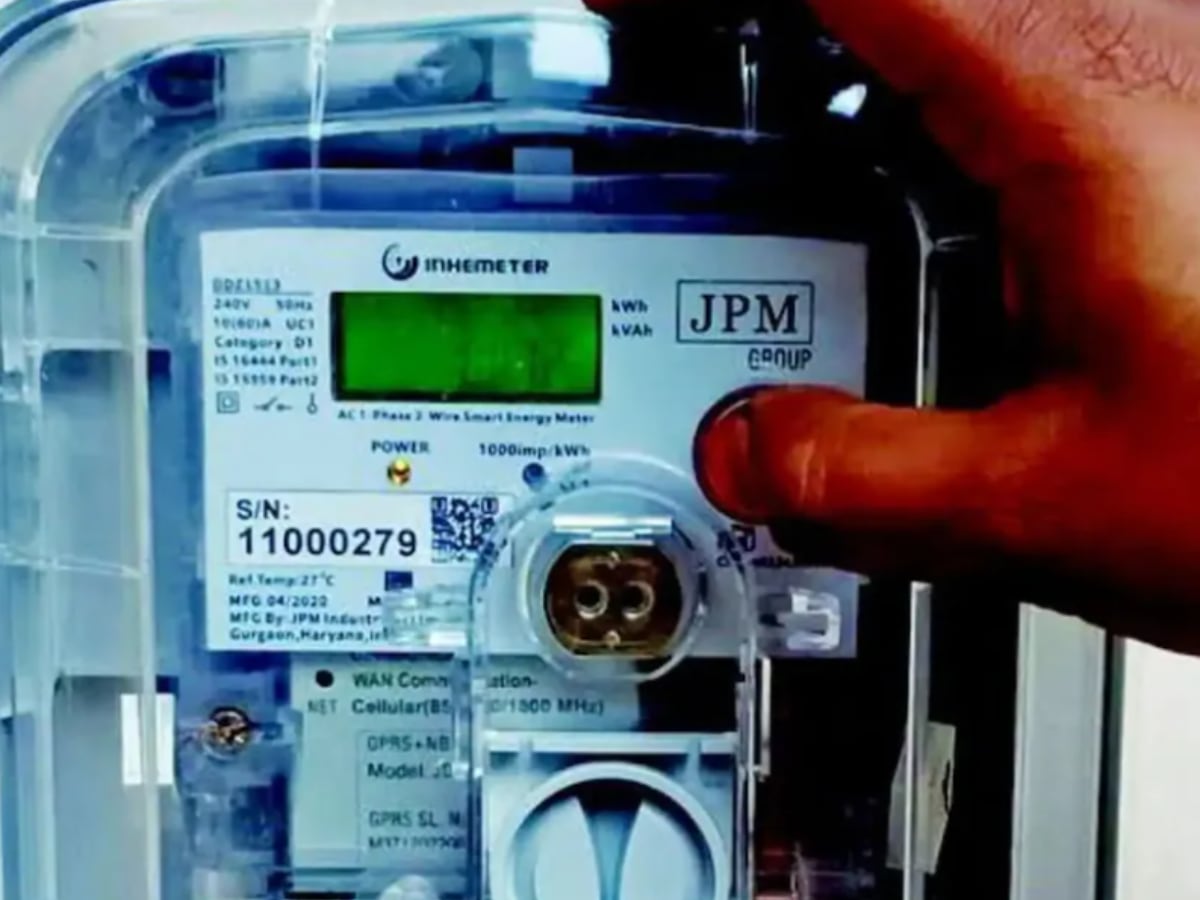
If the rollout does reach your home, here's how the device works: a smart prepaid meter functions like a prepaid mobile phone — you recharge first, then use electricity. The balance depletes as you consume power, and if it runs out, your connection is cut. Many states across India have already made the switch.
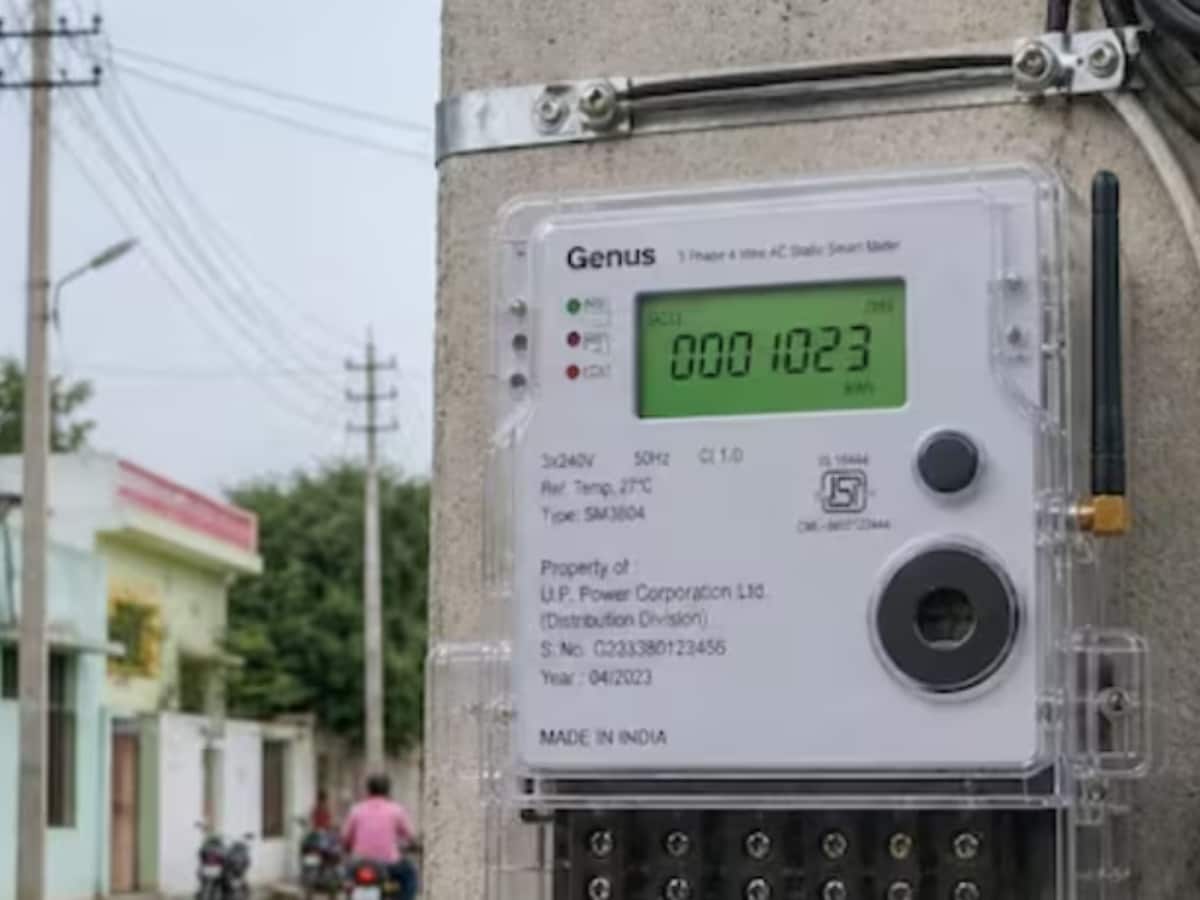
One of the most common questions after installation: how long will a recharge last? The answer depends on daily consumption and a set of fixed daily charges that are deducted from your balance regardless of how much electricity you use — even on days you use none at all.
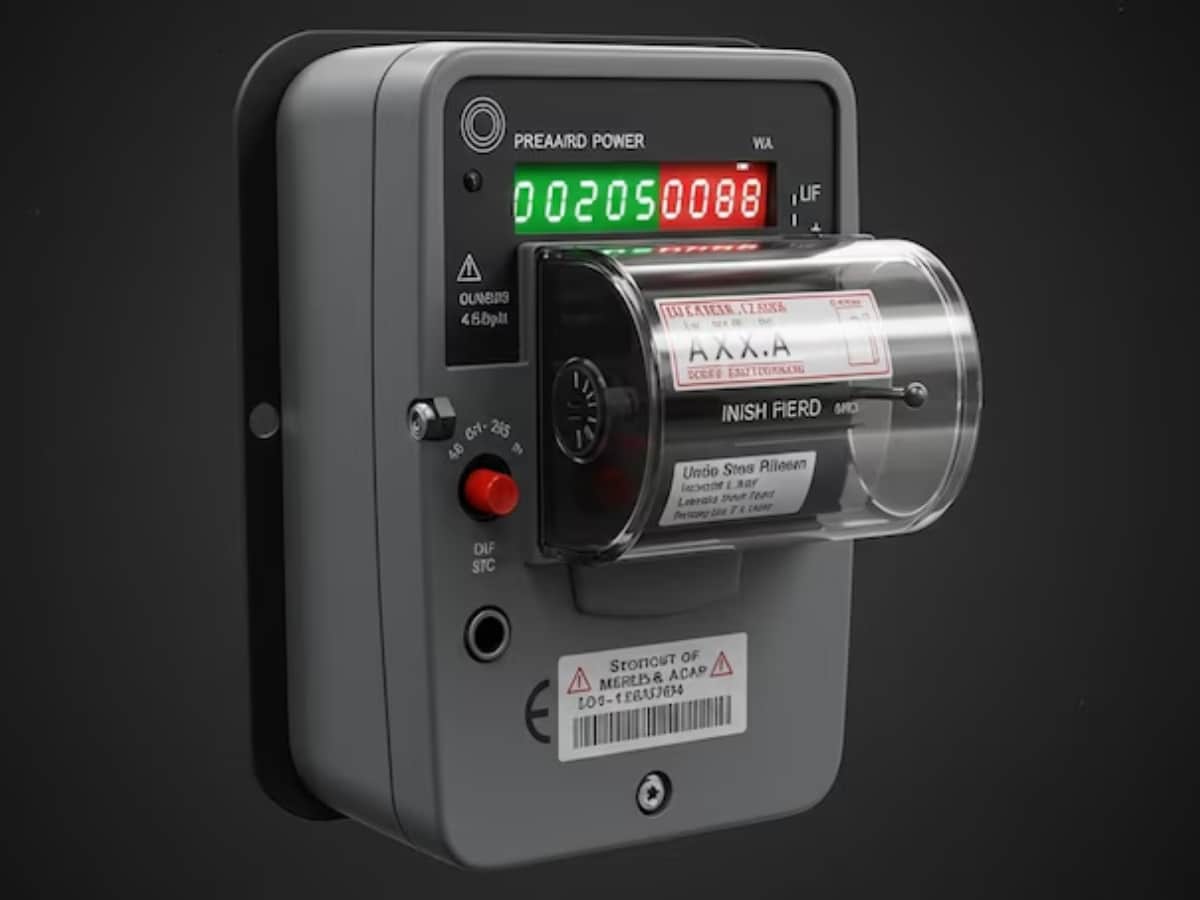
A ₹100 recharge is the smallest top-up most consumers try first — but it runs out fast. For a household consuming 3–4 units a day, ₹100 typically lasts just 2–3 days after fixed charges are deducted. Frequent small recharges can also end up costing more due to service fees on some payment platforms.
A ₹200 recharge fares better — roughly 5–7 days for a home running fans, a TV, a fridge and a few LED bulbs. But usage patterns vary widely, and heavier appliances can drain the balance significantly faster than that estimate.
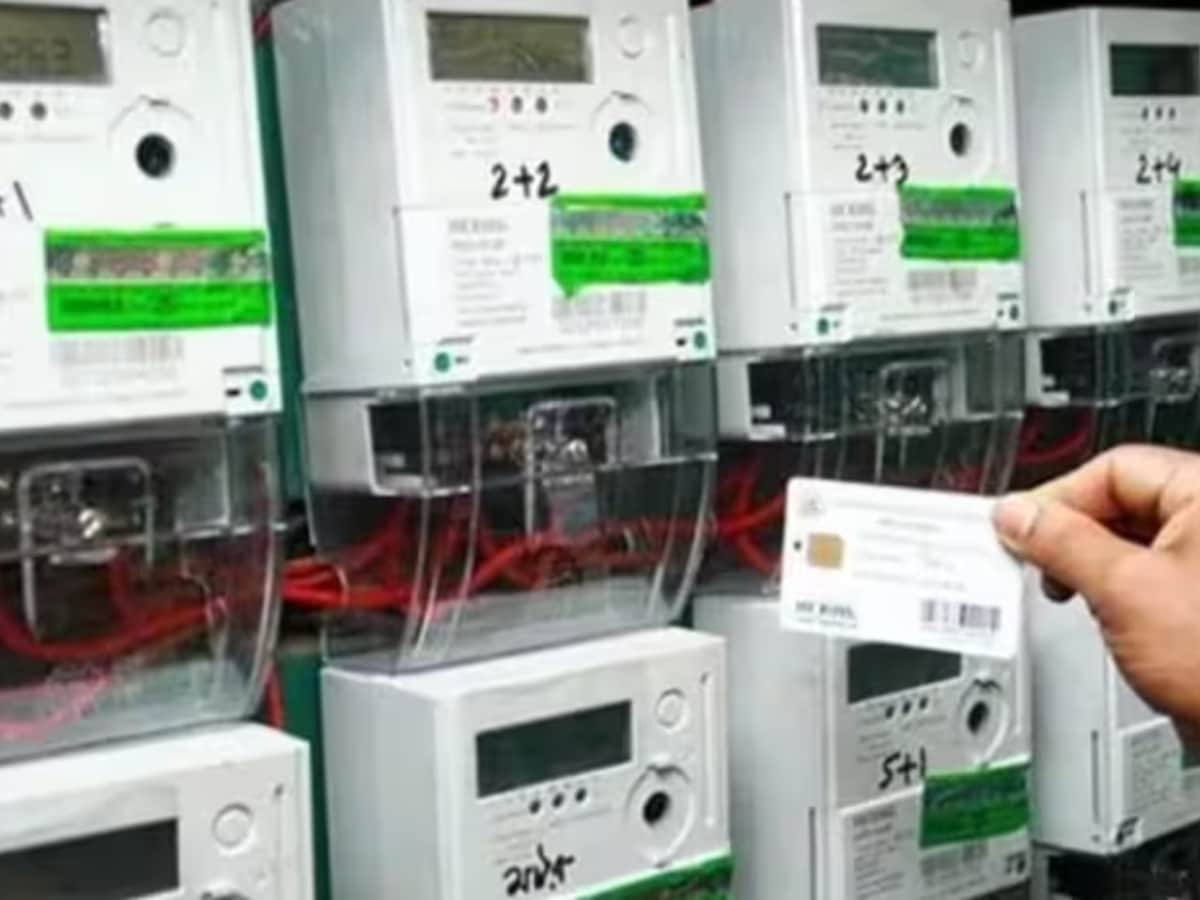
The ₹500 recharge is considered the sweet spot for average households. After fixed charges are deducted, the remaining balance typically covers 15–16 days of normal usage at 3–4 units per day. Air conditioners, geysers and older appliances will reduce that window considerably.
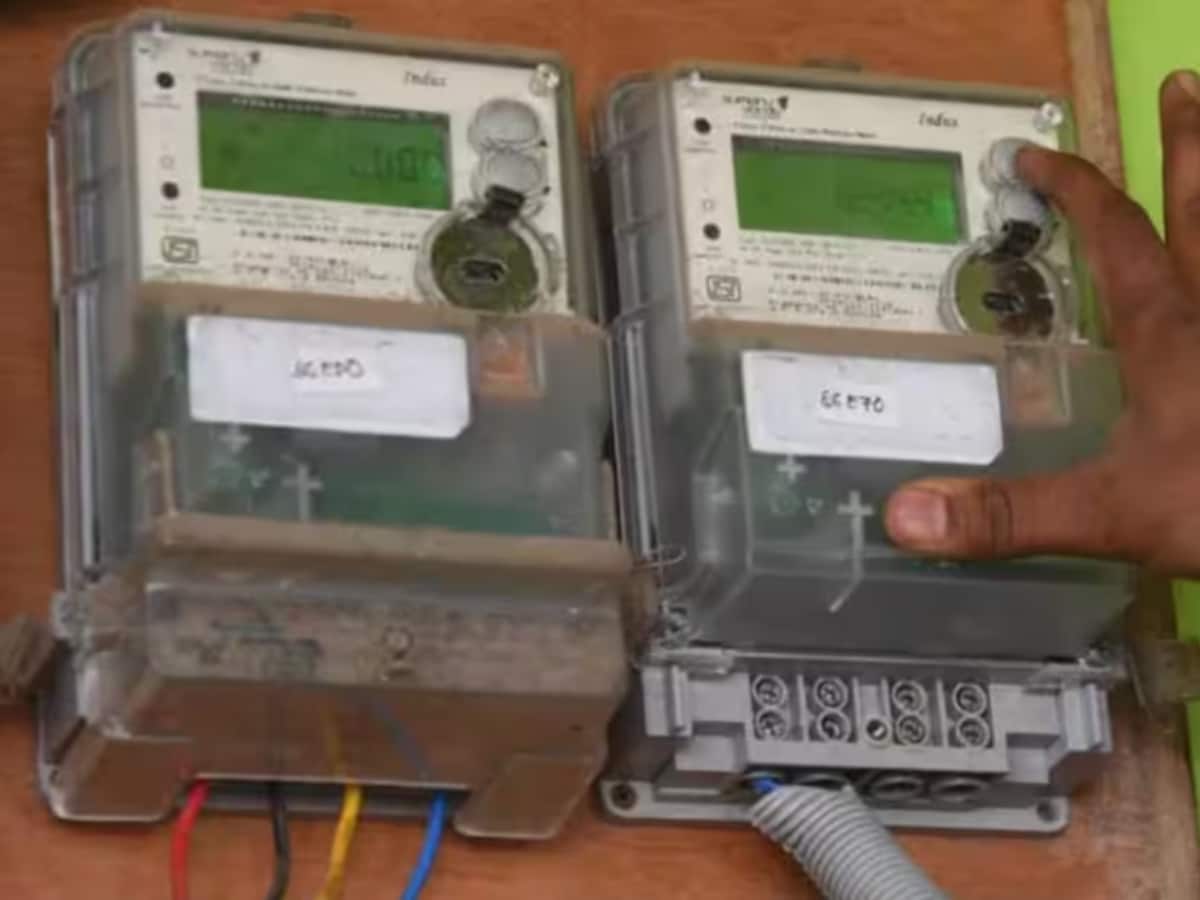
West Bengal's previous government learned this the hard way — consumers in districts like Nadia and Hooghly protested that bills shot up after smart meters were installed, and that restoring connections after a zero balance was a hassle. The government eventually paused the scheme in June last year, ahead of the 2026 Assembly polls.
The new BJP administration says it will do things differently. Officials have indicated multiple trial runs before any domestic rollout, along with measures to make the scheme more consumer-friendly. The previous government had offered protections such as a negative balance buffer of ₹300 and no disconnections on weekends and holidays — but they weren't enough to quell the unrest.
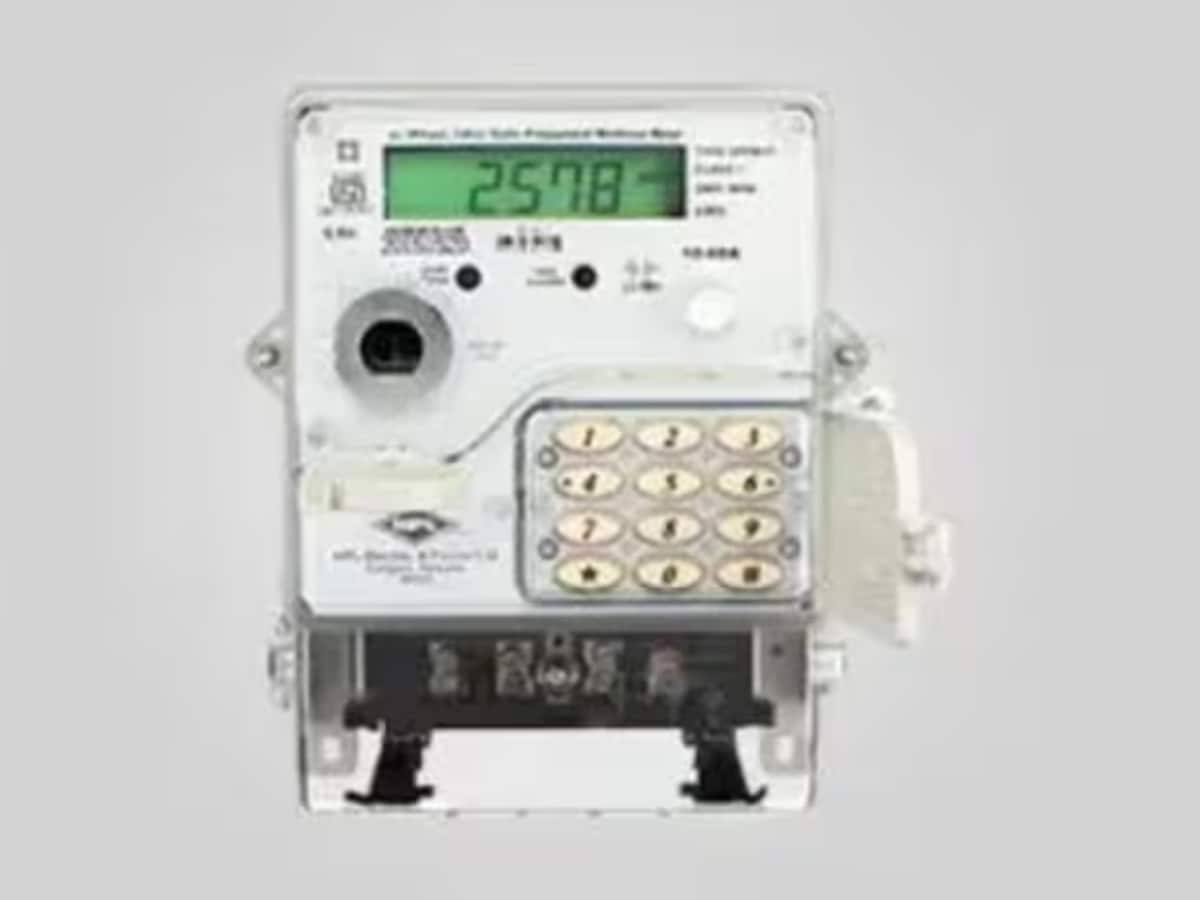
Experts say the meter itself isn't the problem — it's usage habits. Switching to LED bulbs, setting ACs to optimal temperatures, turning off idle appliances and monitoring consumption regularly can keep balances lasting longer. Done right, officials argue, smart meters can mean lower bills, reduced theft and more reliable power supply for everyone.
News Photogallery cities kolkata-news Smart Prepaid Meter Recharge: Bengal Govt Eyes Home Rollout — Here's How Long ₹100, ₹200, ₹500 Will Last





 English (US) ·