

 3 days ago
6
3 days ago
6
ARTICLE AD BOX
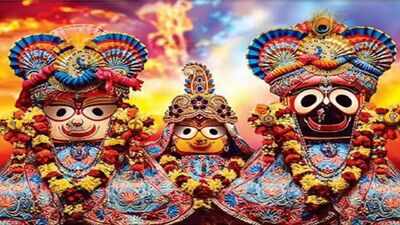
Snana Purnima is one of the most significant festivals of Hindus is being celebrated today, on June 29, 2026. The holy festival of Snana Purnima is celebrated with great zeal and passion in Puri, Odisha.
The temple hosts a great ceremonial Snana Yatra of holy trinity—Lord Jagannath, Lord Balabhadra, and Goddess Subhadra at the Jagannath Temple. This traditional ritual marks the start of the Jagannath Rath Yatra celebrations.
Snana Purnima 2026: Date and Time
Purnima Tithi Begins - 03:06 AM on Jun 29, 2026Purnima Tithi Ends - 05:26 AM on Jun 30, 2026Shukla Purnima Moonrise on Purnima - 07:16 PM
Snana Purnima 2026: Significance
According to the Hindu calendar, the Snana Yatra is an annual bathing celebration that happens on Purnima, or the full moon day, in the month of Jyeshtha.
On this day, devotees have their first opportunity to receive Lord Jagannath's darshan and his holy siblings in the Snana Mandap inside the Shree Jagannath Temple's sanctuary.Lord Jagannath, Lord Balabhadra, and Devi Subhadra are given ceremonial baths on Snana Purnima. Additionally, the three deities and Sudarshan emerge from their sanctuary to the Snana Mandap, which is located in Ananda Bazar inside the temple complex, during the Snana Yatra, which is also held on this day.
Along with his sister Subhadra and brother Balarama, Mahaprabhu Jagannath, who is also known as Lord Krishna, the ruler of the universe. The Natha of Jagat, or God of the Universe, is what the word "Jagannatha" refers to.
Snana Purnima 2026: Puja Rituals
1. According to the Skanda Purana, King Indradyumna is credited with establishing the temple at Puri, where he placed all three deities along with Sudarshan. He was also the first one to give them bathe.2. The deities are given a ceremonial bath during the Snana Yatra, which is accompanied by kirtans, conch shell blowing, and the singing of Vedic mantras.3. The priests use 108 pitchers filled with water from the well at the Sitala shrine, which is close to the Lord Jagannath shrine, to carry out the washing ceremony.4. After the bath, the deities are dressed in Ganesha Besha or Gajanana (elephant), and the Snana Mandap prepares Bhogalagi, their daily meal offering.5. Following the Snana Yatra, the three deities are hidden from the public for fifteen days, known as the "Anasara" period. It is often thought that the gods do not return to the sanctorum because they get a fever following the ceremonial bath.6. Throughout this period, the deities are provided only with fruits and water, along with medicines (Dasamula) supplied by Raj Vaidya, the royal physician.7. The deities are repainted with fresh colors during this time.8. The daily rituals of the temple are temporarily suspended during this period.9. Netrotsava, also known as Nava Joubana Utsav (the festival of evergreen youth), is observed on the sixteenth day after the deities have recovered from their illness and regained their health.10. Devotees are allowed to visit the temple premises and get darshan from the gods after this event.
Mantra
1. Om Namo Bhagvate Vasudevaye..!!2. Hare Ram Hare Ram Ram Ram Hare Hare Hare Krishna Hare Krishna Krishna Krishna Hare Hare..!!3. Nilachala Nivasaya Nityaya Paramatmane, Balabhadra Subhadrabhyam Jagannathaya Te Namah..!!








 English (US) ·