

 1 week ago
5
1 week ago
5
ARTICLE AD BOX
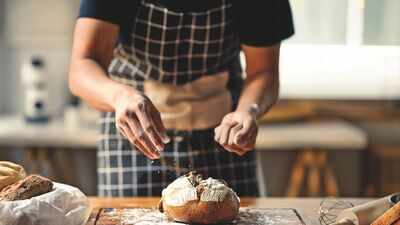
Bread was once just a staple, picked up from the neighbourhood grocery store and tossed into a basket alongside milk and eggs, with little thought beyond choosing between brown and white.
Today, urban consumers are increasingly willing to spend ₹200 or more on sourdough loaves, heritage-grain breads and laminated pastries — and do so regularly. This is because a growing number of people now understand and value the craftsmanship, ingredients and time that go into making it.The shift is being driven by a combination of growing health awareness, greater exposure to global food cultures and a broader move towards more mindful eating.
"Consumers today are looking for products that offer both nutrition and flavour, and are becoming increasingly conscious of ingredient sourcing and transparency in the food they consume," says Avantika Jalan, owner of Bari Bakes by The Red Bari, known for its naturally fermented breads & bakes.Another factor driving the category's growth is a generational shift in spending habits. As Goa-based master baker Sujit Sumitran, popularly known as the Bread Whisperer points out, bread consumption itself is increasingly concentrated among younger, urban consumers who are willing to pay more for quality and craftsmanship.
"For many younger consumers, spending ₹300 or ₹400 on a loaf isn't viewed as extravagant.
They're making choices based on flavour, quality and the overall eating experience rather than simply comparing it to the price of industrial bread."What began in farmers' markets, home baker circles and weekend pop-ups has grown into a thriving ecosystem of micro-bakeries, specialty cafés, premium restaurants and quick-commerce platforms.
Consumers no longer buy bread simply out of necessity. Much like specialty coffee or craft chocolate, it is increasingly judged by its ingredients, sourcing, fermentation process and the skill behind its making.
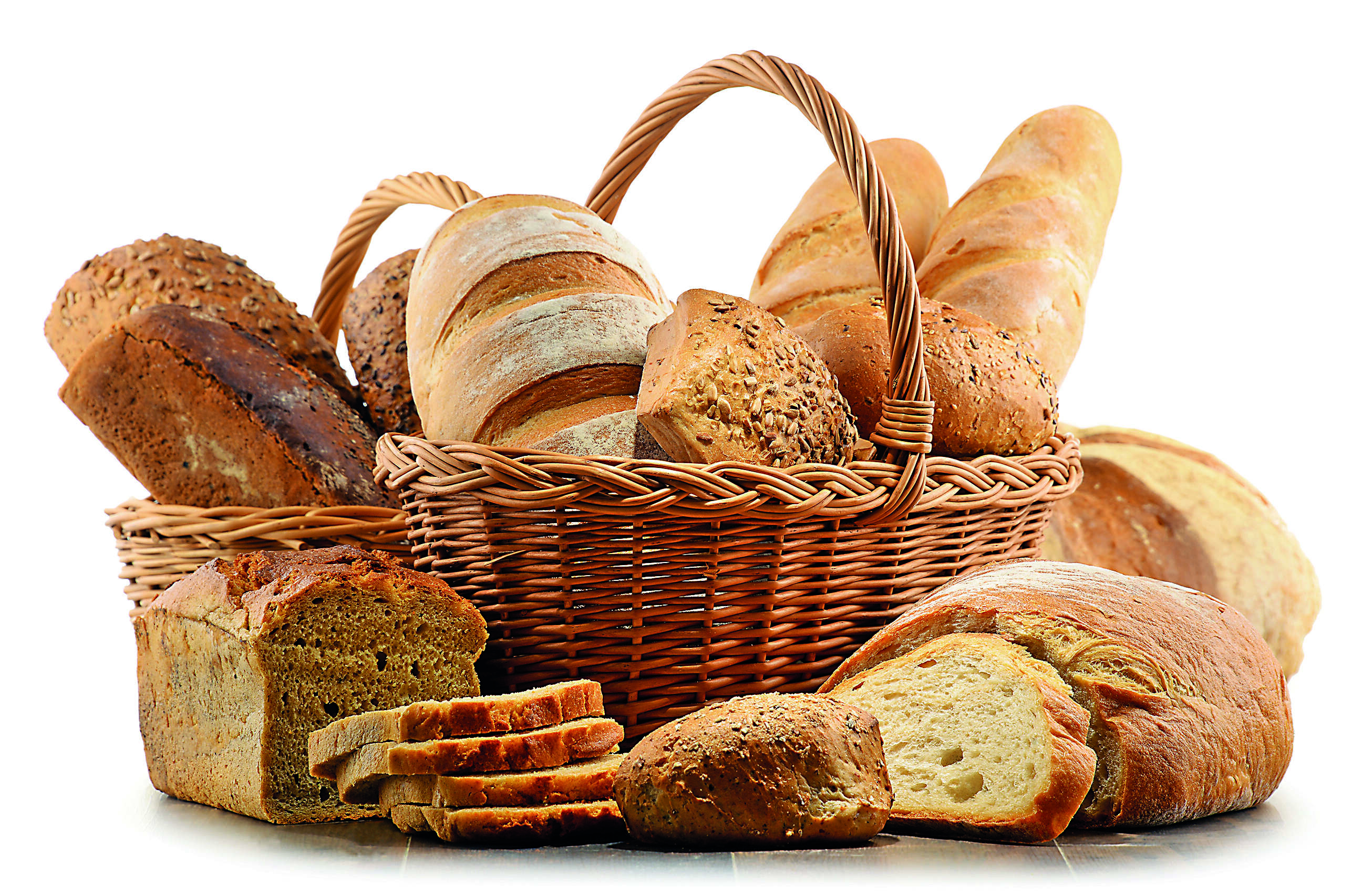
The rise of India's artisanal and sourdough bread marketIndia's sourdough bread segment was valued at USD 220.95 million in 2024 and is projected to reach USD 600 million by 2035. (Market Research Future)IMARC Group estimates the broader artisanal bread market at USD 71.3 million in 2025, growing to USD 102.4 million by 2034.The rise of the good loafWhen Suchali Jain launched Suchali's Artisan Bakehouse in 2018, naturally leavened sourdough was still unfamiliar to most urban consumers. Having discovered artisan bread while travelling through Europe and Florida in 2015, she has watched the category evolve from curiosity to considered purchase."Artisan bread didn't move into the mainstream because of a passing trend but because the alternative slowly stopped feeling good enough.
As more people travelled, explored food culture and started reading ingredient labels, they began asking better questions about what goes into their daily bread."Chef Rachi Gupta has witnessed a similar shift. The Bread Bar, which she launched in Mumbai in 2021, has since grown into a 45-seater dine-in space. "What was once a niche is now becoming part of everyday eating habits," she says.For Avantika Jalan of Kolkata's Bari Bakes by The Red Bari, accessibility has been equally important."Consumers today have far more options beyond commercially produced loaves. Independent and artisanal bakeries have made better-quality bread more accessible while staying committed to clean ingredients and traditional methods." She also credits the pandemic-era home-baking boom for introducing consumers to sourdough and the skill involved in naturally fermented bread. The result, Sujit says, is a far more informed customer.
"There are still very few true sourdough bakers. But there is now an awareness for slow-fermented breads that didn't exist earlier. Consumers are looking for flavour, quality and authenticity."From breakfast staple to centre-stage attractionThe biggest shift may be where bread now fits into urban lifestyles. Once associated largely with hurried breakfasts and lunchboxes, artisan bread has evolved into an all-day food category – and, increasingly, the star of the meal itself.Consumers are building meals around sourdough sandwiches, pairing loaves with cheese and dips for evening snacks, carrying focaccia to gatherings and picking up croissants for coffee meetings. At the same time, they are seeking breads that deliver more than just convenience. Crackling crusts, airy open crumbs, naturally fermented tang and flavour-forward ingredients have transformed bread from an accompaniment into an experience."The Indian urban breakfast has long existed between two worlds: the elaborate and unhurried, and the hurried and packaged. What's beautifully emerging now is a third space — intentional but effortless," says Suchali. "A well-made sourdough sandwich or freshly baked croissant requires no effort from the consumer, but it carries real craft."Avantika has observed a similar shift. "Traditionally, breakfast outside the home was largely limited to local favourites such as kachori-sabzi, samosas and chai.
Today people are far more likely to step out for breakfast before work or plan casual morning meetings at cafés."As bread occupies a larger role in daily eating habits, consumer preferences are also becoming more adventurous. "A few years ago, most customers gravitated towards sweeter baked goods. Today there's much more appreciation for complex flavours. Consumers are looking for breads that can be enjoyed as a complete eating experience rather than simply as an accompaniment," says Rachi Gupta.Bela Shah has noticed the same trend playing out through demand for savoury, flavour-forward loaves. "There is clearly a demand for newer flavours in the tangy and savoury category. A warm savoury loaf with cheese, butter or even on its own is often enough."Among Krumbkraft's most popular offerings, she says, are Sundried Tomato Jalapeño, Parmesan Cheese Jalapeño and Olive Rosemary sourdoughs — a sign that for many consumers, bread is no longer merely a vehicle for butter or jam.
It has become the main attraction.
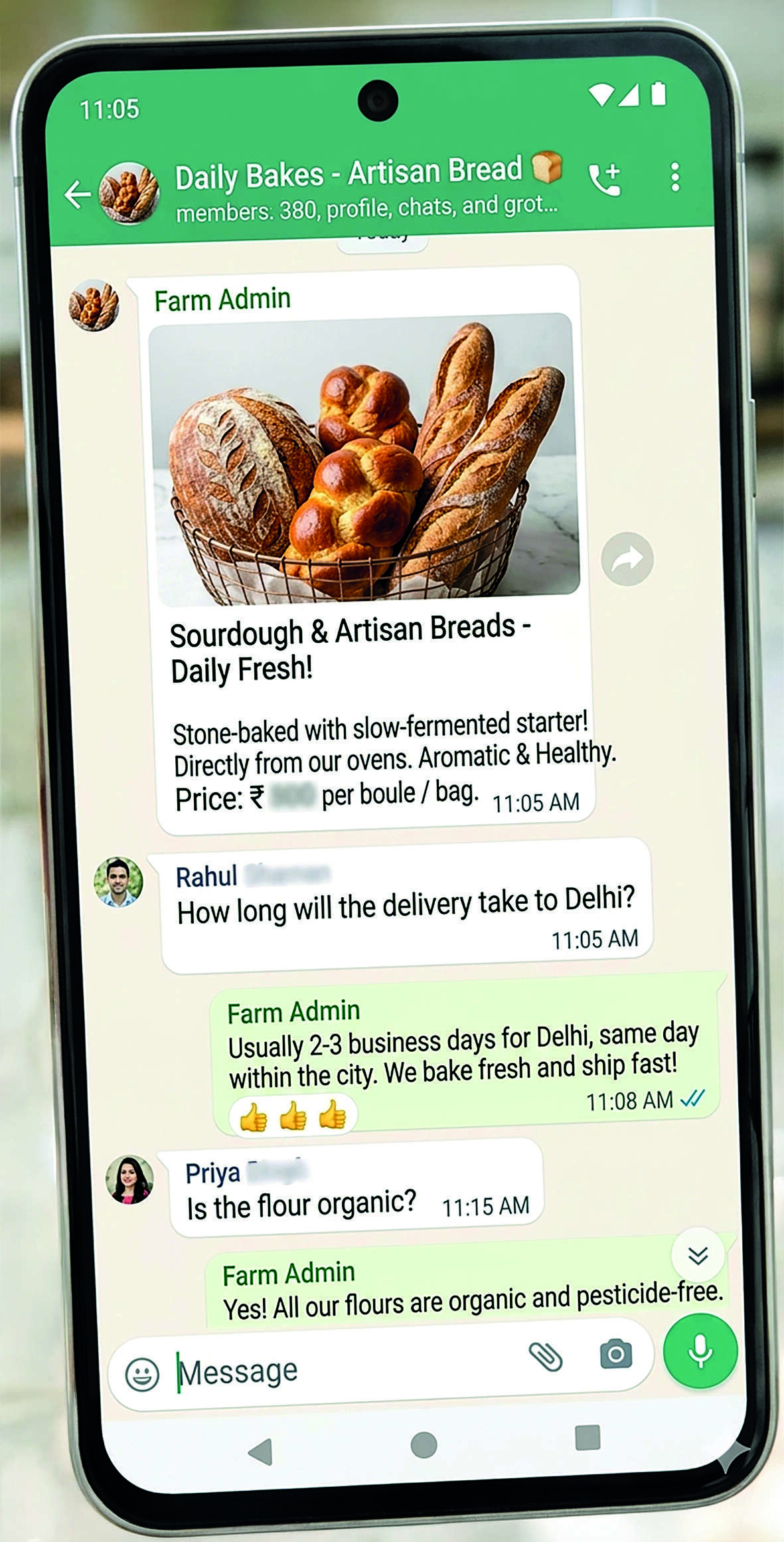
Buying bread on WhatsAppLong before artisan bread reached quick-commerce platforms, micro-bakeries were building loyal communities through Instagram, WhatsApp groups and pre-orders. "Instagram allows us to tell the story behind the bread, educate customers about the process and showcase what's coming up each week," says Rachi. "Customers aren't just buying bread. They're part of a community that follows launches, shares feedback and often helps shape what we make next.
" At Bengaluru-based Krumbkraft, WhatsApp groups continue to drive business. "We have designated route groups where customers place pre-orders before baking. It helps us understand demand, plan production and reduce wastage," says co-owner Bela Shah. "Our communities help customers understand the craft behind the product. They get to know that we don't use additives or preservatives and the process is slow."Limited quantities, bakers say, are often a by-product of freshness rather than strategy. "Fresh bread has a short shelf life and we'd rather sell out than compromise on quality," says Rachi.
The quick-commerce routeQuick-commerce has become an important distribution channel. "What they can genuinely do is move bread baked today into a customer's hands today, and that's valuable," says Suchali. But speed has not replaced patience.
"A good sourdough genuinely takes 18 hours. Speed has become many consumers' first instinct when evaluating a service. But the most discerning customers have also started to recognise that great bread cannot and should not be rushed.
"Behind the growing demand, bakers continue to grapple with rising costs. "Energy, packaging, delivery and labour costs continue to rise, which definitely decreases profit margins," says Bela.
For many artisan bakeries, growth remains a balancing act between maintaining quality and protecting margins.
Meet the new grains in your bread basketBakers and chefs are increasingly moving beyond standard refined wheat flours and experimenting with heritage grains and millets. According to chef Jatin Mallick of Tres, grains such as Khapli, rye and spelt are finding favour because they offer deeper flavour, denser textures and greater character than heavily processed commercial flours.Millets such as ragi are increasingly appearing in breads and baked goods, often sourced directly from farming communities. "Today's diners expect the bread course to match the quality of the rest of the menu. They want ingredients that have character and a story," says Julia Carmen Desa, co-founder of Tres.
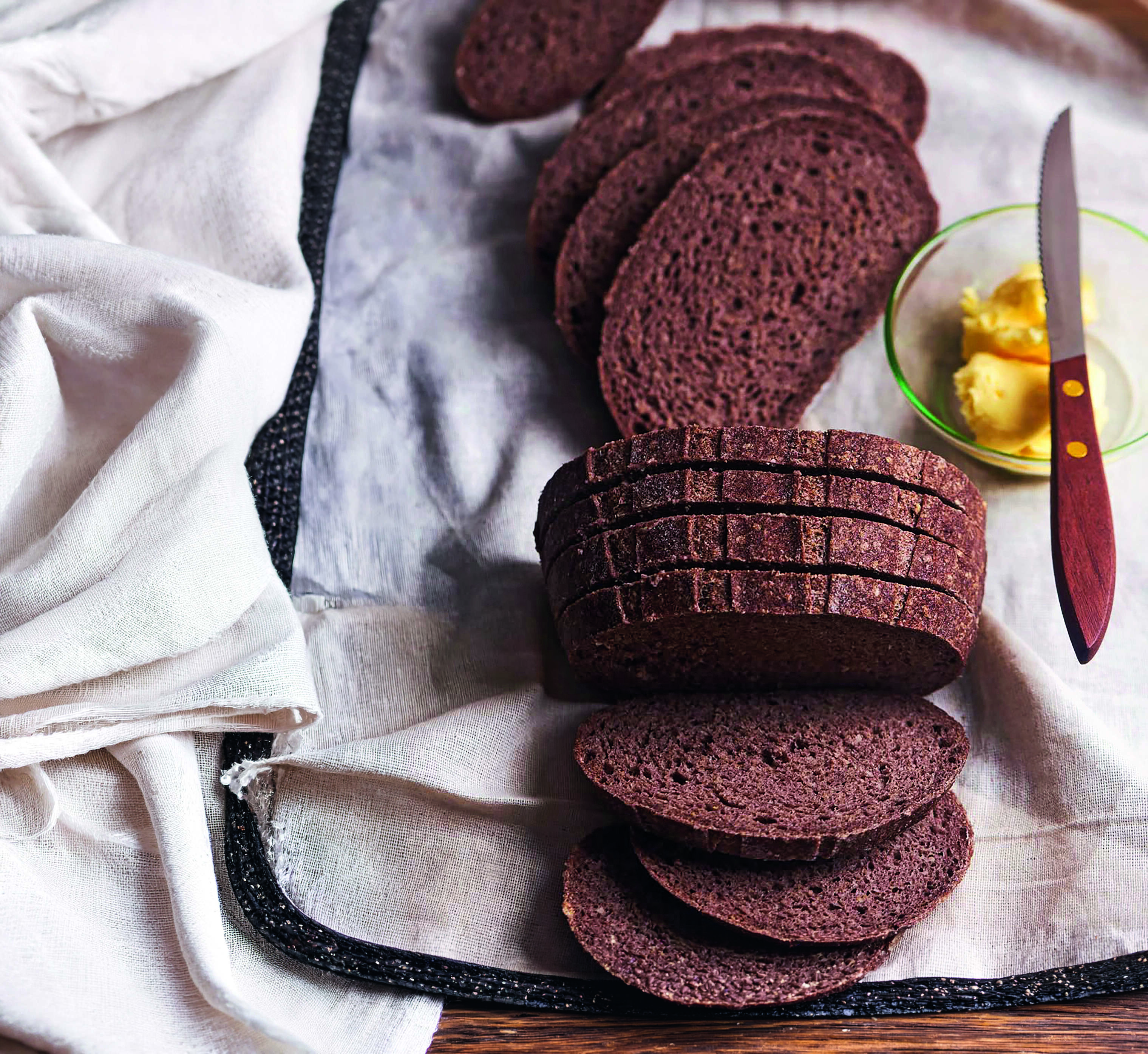
Trending grains in artisan bakeries
Today, bakers say many consumers already understand what sets artisan bread apart. "In 2018-19, a premium price on bread required a fairly detailed conversation. Today, a consumer in Delhi, Mumbai or Bengaluru who knows what sourdough is arrives with that understanding already in place," says Suchali."The premium is earned through process rather than imported ingredients. Five years ago, artisan bread was a curiosity for a small audience.
Today it is a considered purchase that people are genuinely willing to pay for."However, Sujit Sumitran believes the conversation around artisan bread is often misunderstood. "I wouldn't describe it as luxury bread. At its core, artisan bread is simply bread made by hand, using traditional methods and allowing fermentation to take its natural course. What you're really paying for is time. A good sourdough can take 16 to 18 hours or more to develop flavour and character.
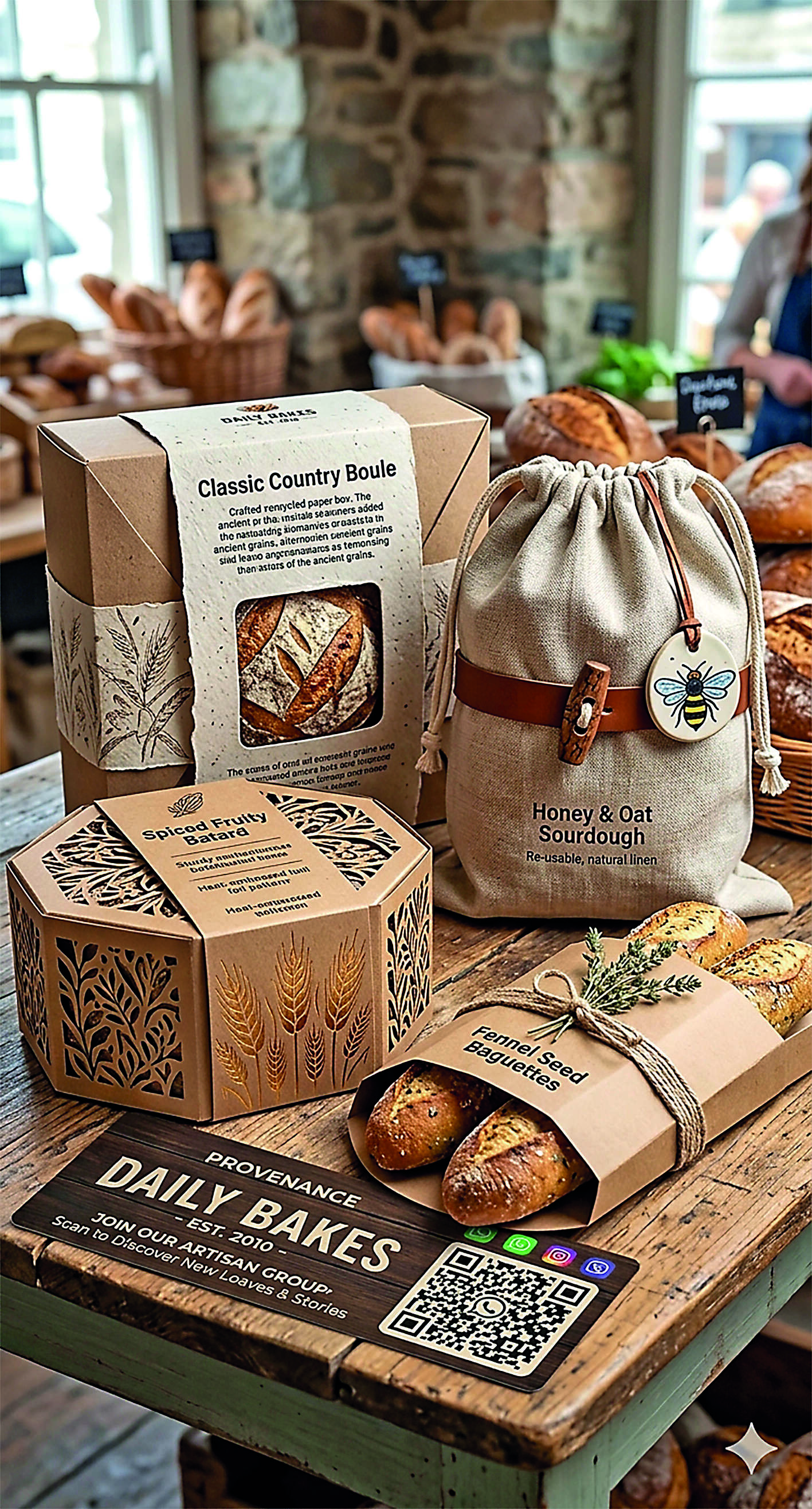
Packaging may influence perception, but the true value lies in the craft and the process.
"That understanding has fundamentally changed consumer behaviour. A decade ago, spending ₹300 on a loaf required considerable persuasion. Today, many consumers already understand what sets artisan bread apart and are willing to wait for it."People understand that good bread takes time. Long fermentation develops flavour and texture in a way that cannot be rushed. The wait becomes part of the value proposition," says Rachi Gupta. Bela Shah has observed a similar shift in customer attitudes. "For many, artisan bread feels like a small luxury that elevates an everyday breakfast or dinner experience."For Sujit, the biggest differentiator remains flavour. "Good sourdough is fundamentally flour, water, salt and levain. Slow fermentation transforms the grain and creates flavours that simply don't exist in fast-produced bread."








 English (US) ·