

 1 day ago
4
1 day ago
4
ARTICLE AD BOX
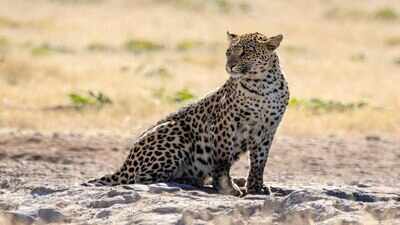
A groundbreaking study has revealed that South Africa's petite mountain leopards are not struggling but represent a distinct evolutionary branch. Image Credit: Wikimedia Commons
When one thinks of a leopard, one tends to picture a majestic, strong, big cat prowling around the expansive African savanna. These big cats can hunt large prey and drag carcasses into trees.
Across most of the continent, these formidable hunters have a similar build. However, in the farthest end of the continent, there is a secluded group of the same big cats which has broken all the physical norms of their species and is a great example of nature’s adaptation of a predator.In the rugged, mountainous terrain of South Africa's Cape Floristic Region, fewer than one thousand leopards roam the scrublands and rocky valleys.
For decades, local wildlife enthusiasts and outdoor adventurers noticed something deeply unusual about these particular animals. They were remarkably small, often weighing just half as much as their northern savanna cousins. According to earlier interpretations, many biologists thought the size difference might reflect distress, inbreeding and declining health.This longstanding wildlife mystery has finally been solved by a study published in the journal Heredity. By reading and decoding the entire genetic blueprint of dozens of leopards across Africa, an international research team upended decades of scientific assumptions.
Led by a dedicated team of conservation geneticists, the study revealed that these petite mountain cats are not struggling remnants of a larger group, but rather a completely distinct evolutionary branch that separated from other populations roughly twenty thousand years ago.How Cape leopards adapted to mountain lifeTo understand their smaller size, researchers looked at natural selection and local habitat conditions. The unique landscape of the Western Cape is characterised by a high abundance of endemic plants but a relative scarcity of large mammals compared to the rich savanna biomes up north.
Hunting in these steep, rocky mountains requires immense agility, and a massive body weight would actually serve as a major energy burden when tracking down smaller, scattered prey animals like rock hyraxes or small antelope.The mapping published in the above-mentioned study pinpointed approximately ninety specific genes that have been highly favoured by natural selection uniquely within the Cape population.
Fascinatingly, twelve of these specific regions are directly linked to bone development, muscle density, and overall body size regulation. Rather than showing signs of accidental genetic decline or severe inbreeding depression, the DNA illustrates that the cats underwent an elegant process of localised adaptation, systematically shrinking their physical builds over hundreds of generations to lower their daily food and energy requirements.This profound evolutionary journey is further supported by historical wildlife distribution records catalogued by the Smithsonian Institution. These extensive records track how mammalian species historically adapted to the massive climate transformations that occurred at the end of the last ice age. As the climate shifted millennia ago, the changing landscape may have isolated ancestral Cape leopards in their mountainous home.
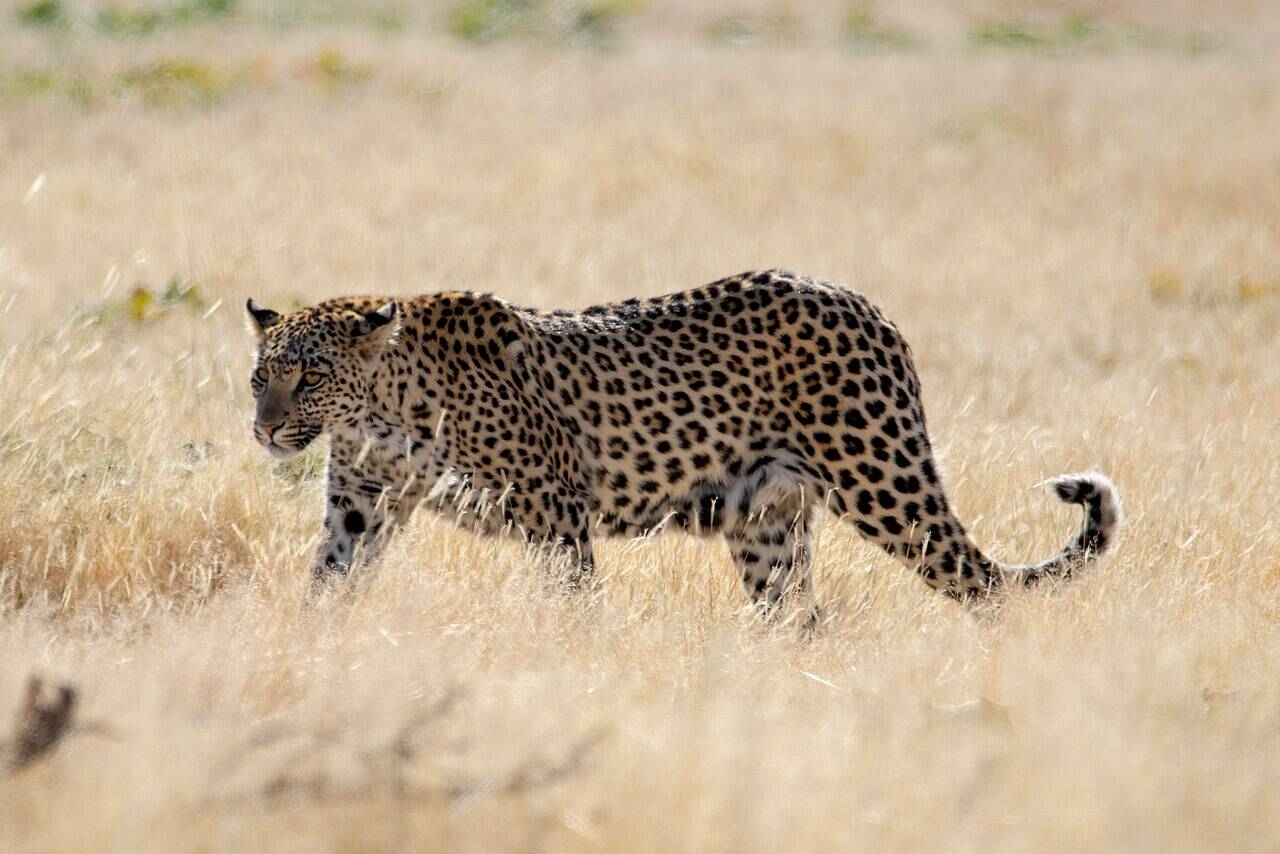
For twenty thousand years, these cats have adapted to their rugged terrain, developing smaller builds to hunt scarce prey. This discovery necessitates a shift in conservation strategies, emphasizing the protection of their unique genetic legacy and natural migration corridors. Image Credit: Wikimedia Commons
Redefining conservation strategies for a unique evolutionary legacyThe revelation that these animals have spent twenty thousand years tailoring their biology to a specific environment has massive practical implications for how we manage vulnerable wildlife populations.
In the past, when small carnivore populations appeared to be isolated, conservation managers sometimes floated the idea of introducing individuals from larger northern populations to inject fresh genetic material.
However, the new genomic data suggest that introducing savanna leopards could disrupt local adaptations.Recognising these animals as a distinct evolutionary significant unit can change how we balance human development and wilderness preservation.
These cats live outside pristine national parks, in a landscape shared with farms, vineyards and growing communities. Protecting their future means moving past traditional fencing methods and focusing on maintaining open, natural migration corridors through private lands and mountain ranges, ensuring they can continue to breed safely within their specialised habitat.South Africa’s mountain leopards show how local adaptation can shape conservation needs. Biological resilience depends on an organism’s ability to adapt its physiology to local conditions. Through our continued exploration into the mysteries hidden within these genomic blueprints, we will develop a much more profound understanding of the intricate invisible balance of the natural world.









 English (US) ·