

 1 hour ago
8
1 hour ago
8
ARTICLE AD BOX
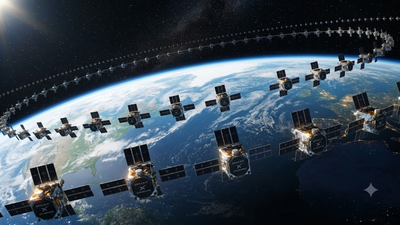
SpaceX is reportedly preparing an orbital artificial intelligence satellite constellation, according to trademark filings and industry reports. While the company has not formally announced the project, the name Starmind has emerged in connection with its broader vision of moving large-scale computing infrastructure beyond Earth.
The proposed network could eventually consist of AI-focused satellites designed to process data in orbit rather than relying entirely on terrestrial data centres. As demand for artificial intelligence computing continues to surge, advocates of the concept argue that space-based infrastructure could offer new sources of power and computing capacity. However, many details remain unclear, and questions persist over the technical feasibility, economic viability and environmental impact of operating large-scale data centres in orbit.
What is SpaceX's “AI1” and how will it power AI in space
According to recent trademark filings and project disclosures, it will serve as the overarching constellation for SpaceX's orbital data centre ambitions. The system is designed to host computing resources directly in space, where satellites can generate power through large solar arrays and potentially avoid some of the energy constraints that terrestrial AI facilities face.The first-generation satellite platform within the constellation has been named AI1, a spacecraft designed specifically for in-orbit computing tasks.
Rather than functioning as a traditional communications satellite, AI1 is intended to act as a space-based data centre capable of handling advanced artificial intelligence workloads.Earlier this month, SpaceX shared a post on X outlining the company's ability to manufacture, launch and operate AI-focused satellites at scale, with Elon Musk providing additional insights into the technical ambitions behind the project.
Launching 1 million tonnes per year of satellites generating 100 kW of compute power per tonne would add 100 gigawatts of AI compute capacity annually.The proposal reflects growing concerns within the technology sector about whether Earth's electrical grids can keep pace with the explosive growth of AI computing demand.
Why Starmind could reshape the future of artificial intelligence infrastructure
One of the biggest challenges facing AI companies today is power consumption. Modern AI models require enormous computational resources, leading major technology firms to invest billions in new data centres and energy projects.SpaceX argues that orbital computing could provide access to nearly continuous solar energy while reducing pressure on terrestrial infrastructure. According to technical details released about the AI1 platform, each satellite could generate substantial computing capacity using large deployable solar panels and thermal management systems designed to dissipate heat in the vacuum of space.As reported by CNBC, unlike conventional Starlink satellites, the AI1 spacecraft are being designed to function as orbital computing platforms, demanding far more advanced chips and processing hardware.
Meeting those requirements will require manufacturing on an unprecedented scale. To that end, SpaceX, Tesla and Intel are reportedly collaborating on Terafab, a sprawling 10-million-square-foot facility in Austin that could carry a price tag of up to $119 billion and is scheduled to begin operations in 2029.Researchers studying orbital computing have increasingly identified space-based data centres as a potential long-term solution for supporting next-generation AI applications."Space Data Centres represent a promising approach for meeting future computing demands." As researchers state in a study titled ‘Deep Tech to Space: Space Data Centres and AI Revolution at the Edge’Supporters believe systems like Starmind could eventually enable massive AI processing networks unconstrained by land availability or local power generation limits.
Can SpaceX overcome the challenges facing orbital data centres
Despite the excitement surrounding Starmind, experts caution that the concept faces substantial obstacles before it can become a commercial reality.Launching and maintaining thousands of computing satellites would require an enormous investment. Engineers must also address challenges including radiation exposure, hardware failures, orbital congestion and the growing risk of space debris.Some analysts question whether the economics of orbital data centres can compete with rapidly improving terrestrial facilities. Others argue that as AI demand continues to rise, unconventional solutions such as space-based computing may become increasingly attractive.The emergence of competing orbital computing initiatives around the world suggests that interest in the concept is growing. Several organisations and governments are already exploring similar approaches to space-based AI infrastructure, viewing orbit as a potential extension of the global digital economy.For now, Starmind remains an ambitious vision rather than an operational network. Yet by officially naming the constellation and revealing details about its AI1 satellites, SpaceX has made clear that it intends to play a leading role in what could become the next frontier of artificial intelligence.Whether Starmind ultimately revolutionises computing or serves as a bold technological experiment, it highlights how rapidly the boundaries between the space industry and the AI sector are beginning to blur.









 English (US) ·