

 1 week ago
7
1 week ago
7
ARTICLE AD BOX
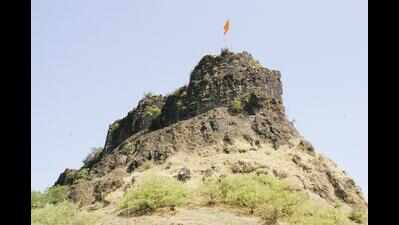
Pratapgad Fort is part of the cluster of 12 forts associated with the Maratha Empire that has been accorded World Heritage status
Pune: The Maharashtra govt has decided to deploy 80 security personnel at four historic Maratha forts that form part of the Unesco-recognised “Maratha Military Landscapes of India” to safeguard some of the state’s most treasured heritage sites.The state has approved over Rs 2.54 crore for the initiative.In 2025, Unesco accorded World Heritage status to a cluster of 12 forts associated with the Maratha Empire —Raigad, Rajgad, Pratapgad, Panhala, Shivneri, Lohagad, Salher, Sindhudurg, Suvarnadurg, Vijaydurg, Khanderi in Maharashtra and Gingee Fort in Tamil Nadu.Among these, Rajgad, Pratapgad, Salher and Khanderi are state-protected monuments under the Maharashtra govt’s jurisdiction.Officials said the enhanced security arrangement is aimed at preventing vandalism, theft, encroachments and other activities that could threaten the integrity of these globally recognised heritage sites.According to a govt resolution (GR), 80 personnel, including 76 security guards and four security supervisors, will be deployed across the four forts for 11 months. The services will be procured through the Maharashtra State Security Corporation.
Each fort will have 19 guards and one supervisor.Vikas Wahane, assistant director at the State Directorate of Archaeology and Museums, told TOI, “We are in the final stage of the process. The guards will be stationed at the forts during the daytime to protect these sites. They will monitor visitor activities and help ensure the safety and security of tourists.”The state has also directed the Directorate of Archaeology and Museums to work with the security agency to define duties and operational protocols.
Portable security cabins will be installed at the sites in accordance with archaeological norms.Officials said the Unesco recognition is expected to significantly increase tourist and trekking footfall, making protection and monitoring a priority.Heritage experts have long warned that many forts face challenges ranging from littering and graffiti to damage caused by unregulated tourism.“The World Heritage tag is an honour, but it also brings greater responsibility.
Security personnel can help regulate visitor movement and prevent damage to sensitive structures,” said a retired Army colonel and heritage conservation researcher.Trekkers, who make up a large share of visitors to these forts, welcomed the move while stressing that conservation should go hand in hand with improved facilities and greater awareness.“Rajgad and Salher attract thousands of trekkers every year.
We have seen instances of people scribbling on walls and leaving behind plastic waste. A dedicated security presence can act as a deterrent,” said Nitin Jadhav, a Pune-based trekker who frequently visits forts across Maharashtra.Another trekking enthusiast, Sneha Kulkarni, said the focus should not be limited to security alone.“The forts need better signage, trained guides and visitor education programmes.
Security guards can help, but preserving heritage requires public participation as well,” she said.A senior official said the govt has also asked the Directorate of Archaeology and Museums to submit a report within six months on establishing a permanent security framework for Unesco-listed forts.“The study will examine models adopted by the Archaeological Survey of India, public-private partnership mechanisms, corporate social responsibility initiatives and practices followed in other states,” the official said.Heritage activists believe the Unesco recognition presents a unique opportunity to balance tourism with conservation. While the immediate deployment of security personnel is expected to curb misuse and vandalism, experts said a long-term management plan will be crucial to ensure the forts remain protected for future generations.“As Maharashtra’s iconic hill forts gain global recognition, the challenge now lies in preserving their historic character while accommodating growing numbers of visitors drawn to the legacy of the Maratha Empire. We need to adopt global standards at these sites because the number of international visitors is expected to rise in the coming years. If we fail to maintain those standards, negative assessments could affect the World Heritage status.
So, we need to think beyond deploying security guards and put additional measures in place to create a foolproof conservation mechanism,” said historian Pandurang Balkawade.







 English (US) ·