

 2 hours ago
6
2 hours ago
6
ARTICLE AD BOX
4 min readNew DelhiMar 10, 2026 05:35 AM IST
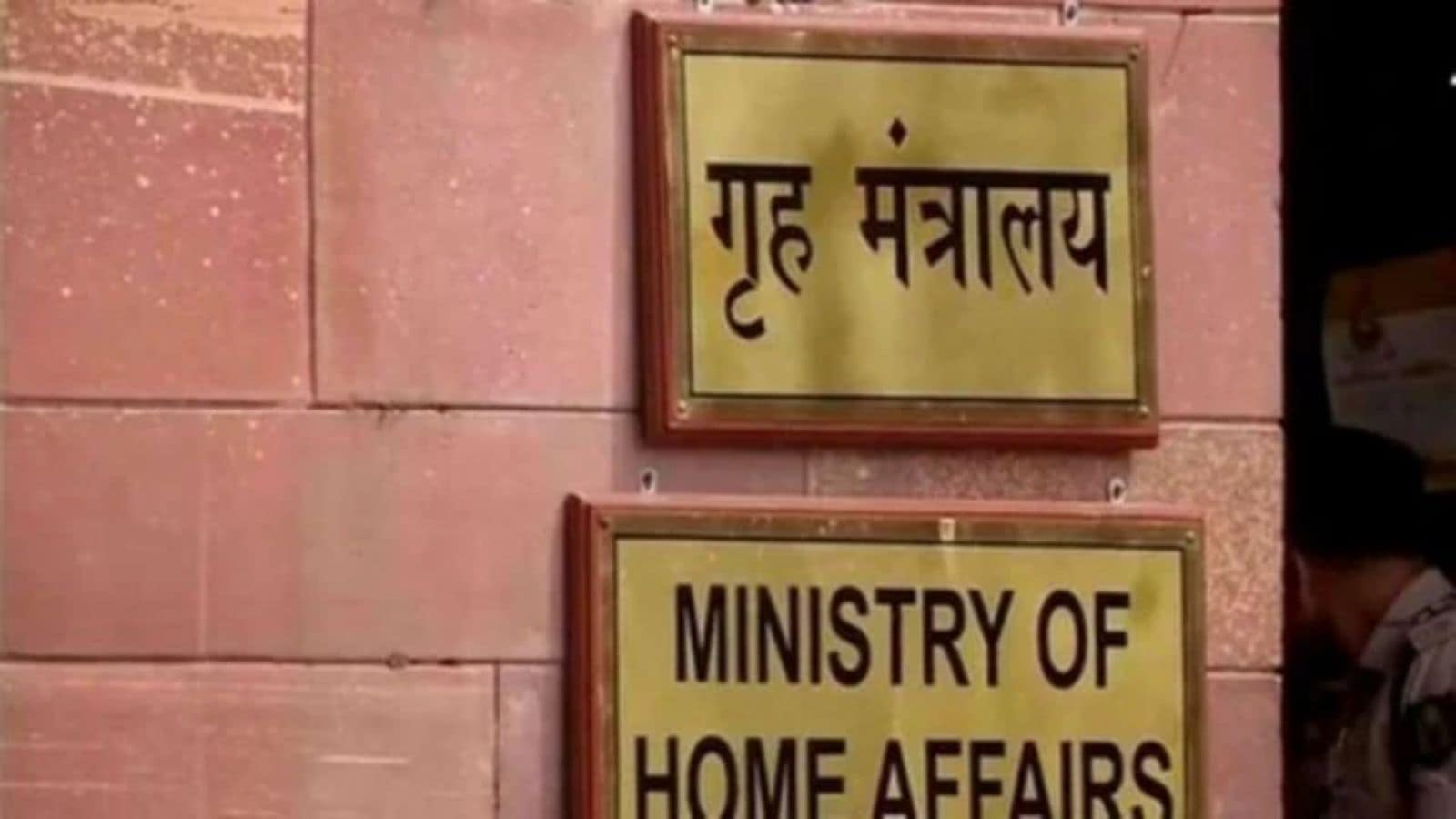 Says requests must be routed through law agencies.
In a significant modification to its guidelines for Look Out Circulars (LOCs), the Ministry of Home Affairs (MHA) has specified that statutory bodies with no criminal jurisdiction cannot issue direct requests to the Bureau of Immigration to prevent any Indian or foreigner from leaving the country, The Indian Express has learnt. The MHA has underlined that all such requests have to be routed through a law enforcement agency.
“Whenever such an order/ request is received, the BoI (Bureau of Immigration) shall immediately return the order/ request to such bodies, informing that such bodies are not authorised to open the LOC and that they may forward the order/ request to the law enforcement agency concerned… who are authorised to the open the LOC,” the MHA said in a communication sent to all law enforcement agencies last month.
It listed the National Commission for Women (NCW), National Human Rights Commission (NHRC), National Commission for Protection of Child Rights (NCPCR), National Company Law Tribunal (NCLT) “or any other tribunal having no criminal jurisdiction” among such statutory bodies.
The earlier guidelines did not bar these bodies from making such requests to the BoI. They, however, specified that “such requests along with full necessary facts shall be brought to the notice of law enforcement agencies like the police”. “The superintendent of police concerned will then make the request for issuance of an LOC upon an assessment of the situation, and strictly in terms of the procedure outlined for the purpose. The immigration/ emigration authorities will strictly go by the communication received from the officers authorised to open LOCs,” they said.
The MHA has also updated the LOC proforma to include three standardised options — “detain and inform originator”, “prevent departure and inform originator”, and “see remarks for action”.
“Intelligence agencies such as the IB, R&AW, CBI, NIA, and State ATS units may use the ‘see remarks’ category only for counter-terrorism purposes,” it said.
Under the revised guidelines, in case of a court order regarding deletion/ quashing/ suspension of LOC, the “originator” (agency which sought the LOC) should request the court to convey such orders to it, so that immediate action can be taken.
Story continues below this ad
Also, if immigration authorities receive such court orders directly, either from the person concerned or from the court’s registry or the central government counsel, they must immediately inform the originating agency by email for appropriate action. “The originator is required to respond ‘without delay’, and no later than seven working days from receipt. Departure of any individual will not be permitted until the BoI’s system reflects the updated LOC status in line with the court’s order,” the MHA said.
Explaining this, an official said that on many occasions, persons against whom LOCs were issued approached Integrated Check Posts (ICPs) with such court orders. “Since ICPs have no means of verifying if the court order is genuine, in all such cases, orders for deletion/ quashing/ suspension etc of LOC must be communicated to the BoI through the same originator who requested opening of LOC,” the official said.
The MHA has also stipulated new timelines for agencies to take custody of individuals facing LOCs. “Upon detection, the BoI must inform the originator instantly through phone, email, or portal. If the originator fails to take custody within three hours, immigration officials will hand over the individual to the local police. The originator must then assume custody within 24 hours, with the BoI monitoring compliance,” it said.

Mahender Singh Manral is an Assistant Editor with the national bureau of The Indian Express. He is known for his impactful and breaking stories. He covers the Ministry of Home Affairs, Investigative Agencies, National Investigative Agency, Central Bureau of Investigation, Law Enforcement Agencies, Paramilitary Forces, and internal security. Prior to this, Manral had extensively reported on city-based crime stories along with that he also covered the anti-corruption branch of the Delhi government for a decade. He is known for his knack for News and a detailed understanding of stories. He also worked with Mail Today as a senior correspondent for eleven months. He has also worked with The Pioneer for two years where he was exclusively covering crime beat. During his initial days of the career he also worked with The Statesman newspaper in the national capital, where he was entrusted with beats like crime, education, and the Delhi Jal Board. A graduate in Mass Communication, Manral is always in search of stories that impact lives. ... Read More
Stay updated with the latest - Click here to follow us on Instagram
© The Indian Express Pvt Ltd







 English (US) ·