

 1 hour ago
7
1 hour ago
7
ARTICLE AD BOX

Experts clarify that completely eliminating junk food won't guarantee cancer prevention. Ultra-processed foods can contribute to obesity and chronic inflammation, which may raise cancer risk over time, but cancer is shaped by genetics, environment, and lifestyle. A balanced diet rich in whole foods, combined with regular exercise, avoiding tobacco, and routine screenings, lowers risk more effectively than extreme dieting.
Cancer is one of the most feared diseases worldwide. So it is natural that people search for one clear solution. In recent years, junk food has been blamed. Packaged snacks, sugary drinks, fried fast food, and ultra-processed meals are frequently linked to rising cancer rates.But can simply stopping junk food completely prevent cancer?According to Dr Indu Aggarwal, Head of Department, Preventive Oncology, RGCIRC, the answer is not that simple, “First of all, no single food, no matter how ‘healthy’ or ‘unhealthy’, can prevent or surely cause cancer. More often than not, cancer develops due to a combination of multiple factors, such as genetic predisposition, environmental exposures, lifestyle habits, hormonal influences, and ageing.”
The relationship between food and cancer is real. But it is complex.
Can you prevent cancer with diet?
What is junk food really doing to the body?
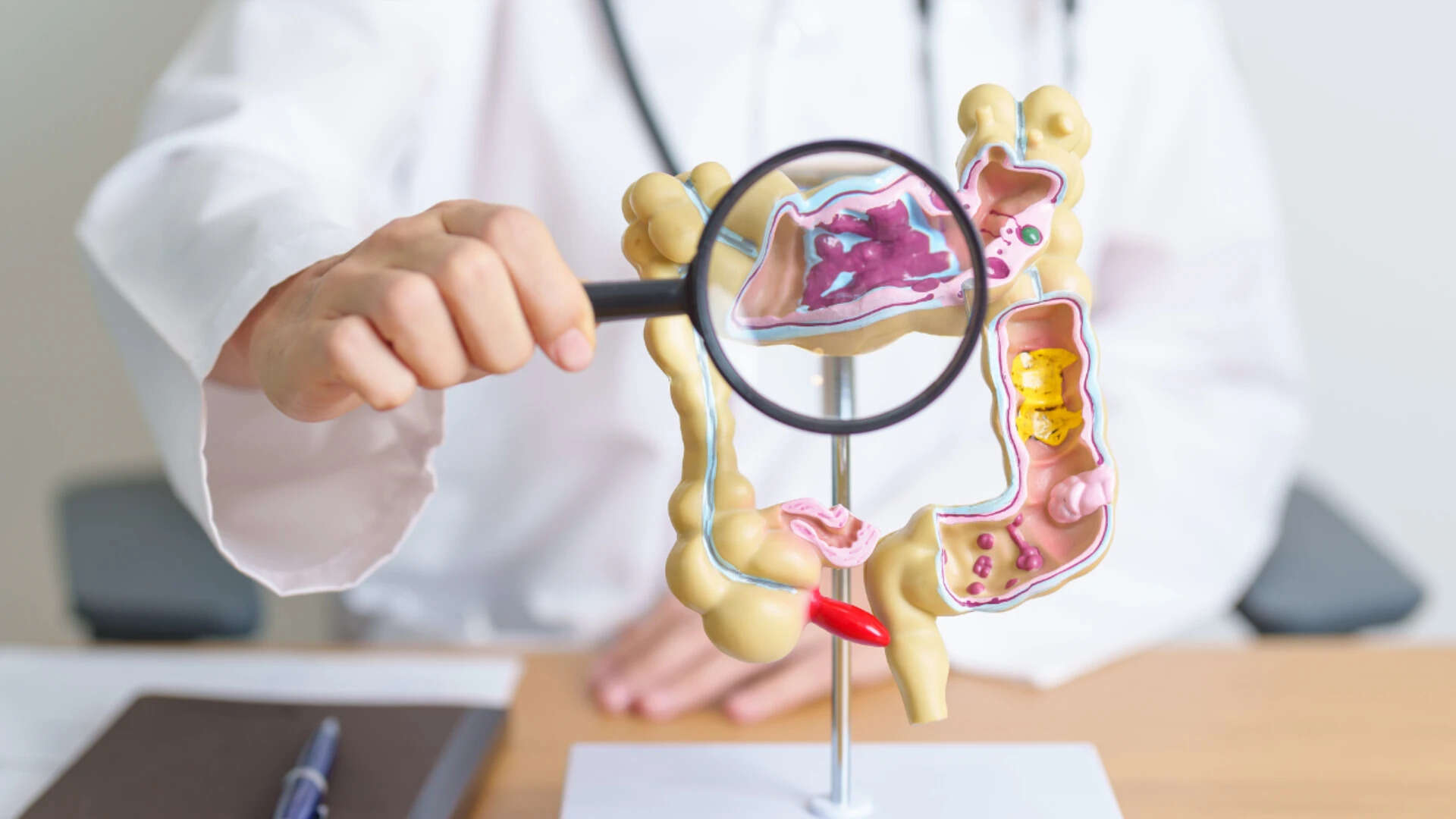
Junk food usually refers to ultra-processed foods. These are high in sugar, salt, unhealthy fats, and chemical additives. They are low in fibre and essential nutrients.Over time, frequent consumption can lead to:
- Weight gain
- Obesity
- Insulin resistance
- Chronic inflammation
These conditions do not directly cause cancer overnight. But they create an internal environment where cells are more likely to undergo harmful changes.
The Indian Council of Medical Research (ICMR) has highlighted the growing burden of lifestyle-related diseases in India, including obesity-linked cancers. The ICMR–National Institute of Nutrition dietary guidelines clearly recommend limiting ultra-processed foods and sugary drinks due to their link with non-communicable diseases, including certain cancers.Similarly, the World Health Organization (WHO) states that overweight and obesity increase the risk of cancer, including breast, colorectal, and pancreatic cancer.So the risk is not about one burger. It is about years of patterns.
But can simply stopping junk food completely prevent cancer?
The cancers linked to long-term poor diet
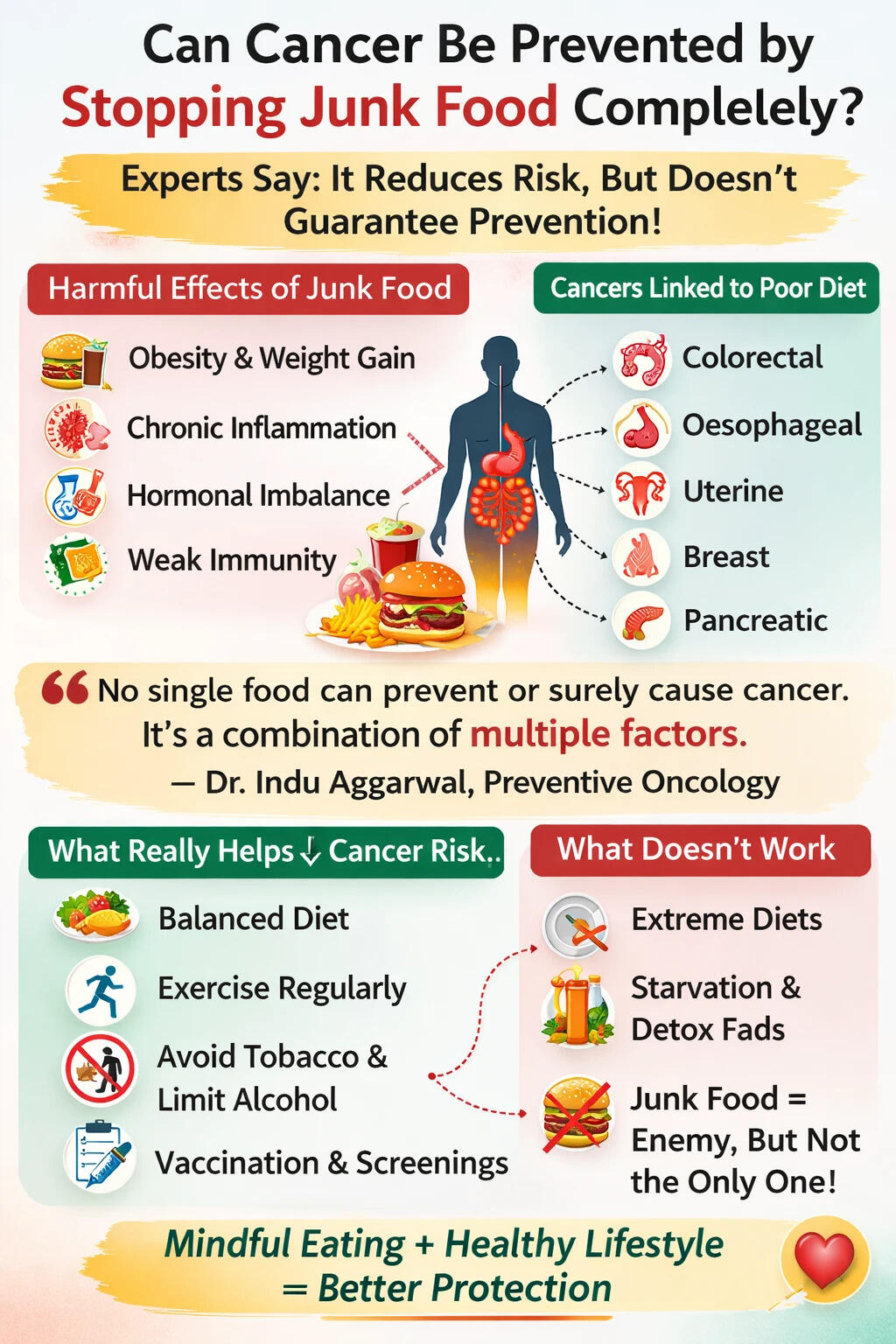
Research shows that long-term consumption of high-fat, high-sugar, and processed foods can increase the risk of:
- Colorectal cancer
- Oesophageal cancer
- Uterine cancer
- Breast cancer
- Pancreatic cancer
The World Cancer Research Fund (WCRF) and global cancer research bodies have consistently reported strong evidence linking processed meat and obesity to colorectal cancer.Dr Aggarwal explains, “Various researches have shown that long-term consumption of ultra-processed, high-sugar, and high-fat foods can cause obesity, chronic inflammation, and metabolic disturbances — conditions that are known to increase the risk of several cancers.”Notice the phrase “increase the risk.” That is very different from “cause.”
If you stop junk food completely, are you safe?
The honest answer: No.Stopping junk food may reduce certain risks. It may help maintain healthy weight and reduce inflammation. But it does not make a person immune to cancer.Cancer can still develop due to:
- Genetic mutations
- Ageing
- Environmental pollution
- Tobacco use
- Alcohol
- Infections such as HPV and Hepatitis B
Even people who follow clean diets sometimes develop cancer. That does not mean healthy eating is useless. It means cancer biology is complicated.
The dangerous myth of extreme diets and “starving cancer”
When fear takes over, extreme solutions often follow. Some people believe that stopping food altogether or going on strict detox diets can “kill cancer cells.”This is not true.Dr Aggarwal clarifies, “When exploring the relation between food and cancer, it is important to address the misconception that extreme dieting or starvation can ‘kill cancer cells.’ Remember, stopping eating or going on the so-called ‘detox diets’ neither prevents nor treats cancer.”Starvation weakens the body. It causes muscle loss and nutrient deficiency. It can reduce immunity. A weak immune system does not protect against cancer. It may even make recovery harder if illness occurs.Balance works. Extremes harm.
What actually lowers cancer risk?
Diet is just one piece of prevention. A strong prevention strategy includes:
- Maintaining healthy body weight
- Regular physical activity
- Avoiding tobacco completely
- Limiting alcohol
- Getting vaccinated against HPV and Hepatitis B
- Undergoing regular screenings
The WHO confirms that 30-50% of cancers are preventable through lifestyle changes and early detection. That number shows hope.
But it also shows that food alone is not the only lever.A plate full of vegetables helps. But so does a 30-minute walk. So does saying no to cigarettes.
What should a protective diet look like?
Instead of focusing on what to eliminate, focus on what to include.A protective diet usually contains:
- Whole grains
- Fresh fruits
- Green leafy vegetables
- Fibre-rich foods
- Lean proteins like dal, beans, eggs, fish
- Healthy fats like nuts and seeds
Dr Aggarwal notes, “A diet comprising whole grains, fresh fruits, vegetables, lean proteins, healthy fats, and fibre-rich foods can support better metabolic health, improve immunity, and regulate inflammation — factors that collectively lower the risk of cancer.”The keyword is “collectively.” It is the overall pattern that matters.
A mindful plate is powerful, but not magical
Food choices today feel overwhelming. Supermarket shelves are filled with bright packaging. Marketing confuses health with trends.But prevention does not require perfection. It requires consistency.Choosing home-cooked meals more often. Reading food labels. Watching portion sizes. Staying active. Sleeping well. Going for regular check-ups.Cancer prevention is not about fear. It is about informed living. A mindful plate, combined with sensible lifestyle habits, remains one of the strongest tools available. But it is not a shield against every possibility.Medical experts consulted This article includes expert inputs shared with TOI Health by: Dr Indu Aggarwal, Head of Department, Preventive Oncology, RGCIRCInputs were used to explain whether completely avoiding junk food can reduce the risk of developing cancer and what preventive measures one should take.







 English (US) ·