

 1 hour ago
6
1 hour ago
6
ARTICLE AD BOX
Last Updated:April 20, 2026, 21:20 IST
From Hormuz to Panama, a few narrow miles of water dictate the fate of the global economy. See the world’s most vulnerable chokepoints and the powers struggling to control them.
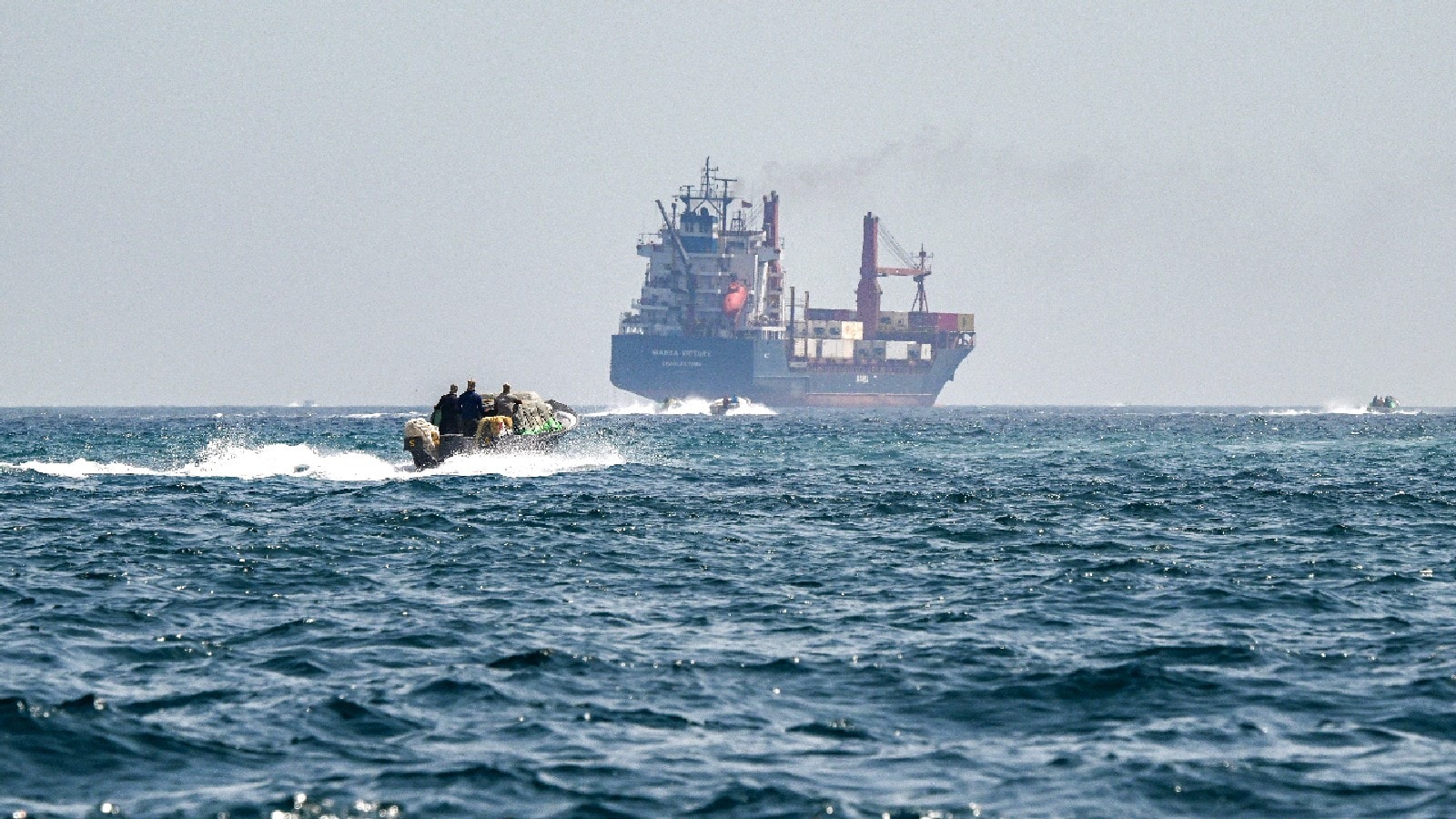
With roughly 20% of global oil passing through this 21-mile wide passage, the Strait of Hormuz remains the ultimate geopolitical lever; any threat of a blockade, Iranian or US, is enough to send global energy markets into a tailspin. (IMAGE: AFP)
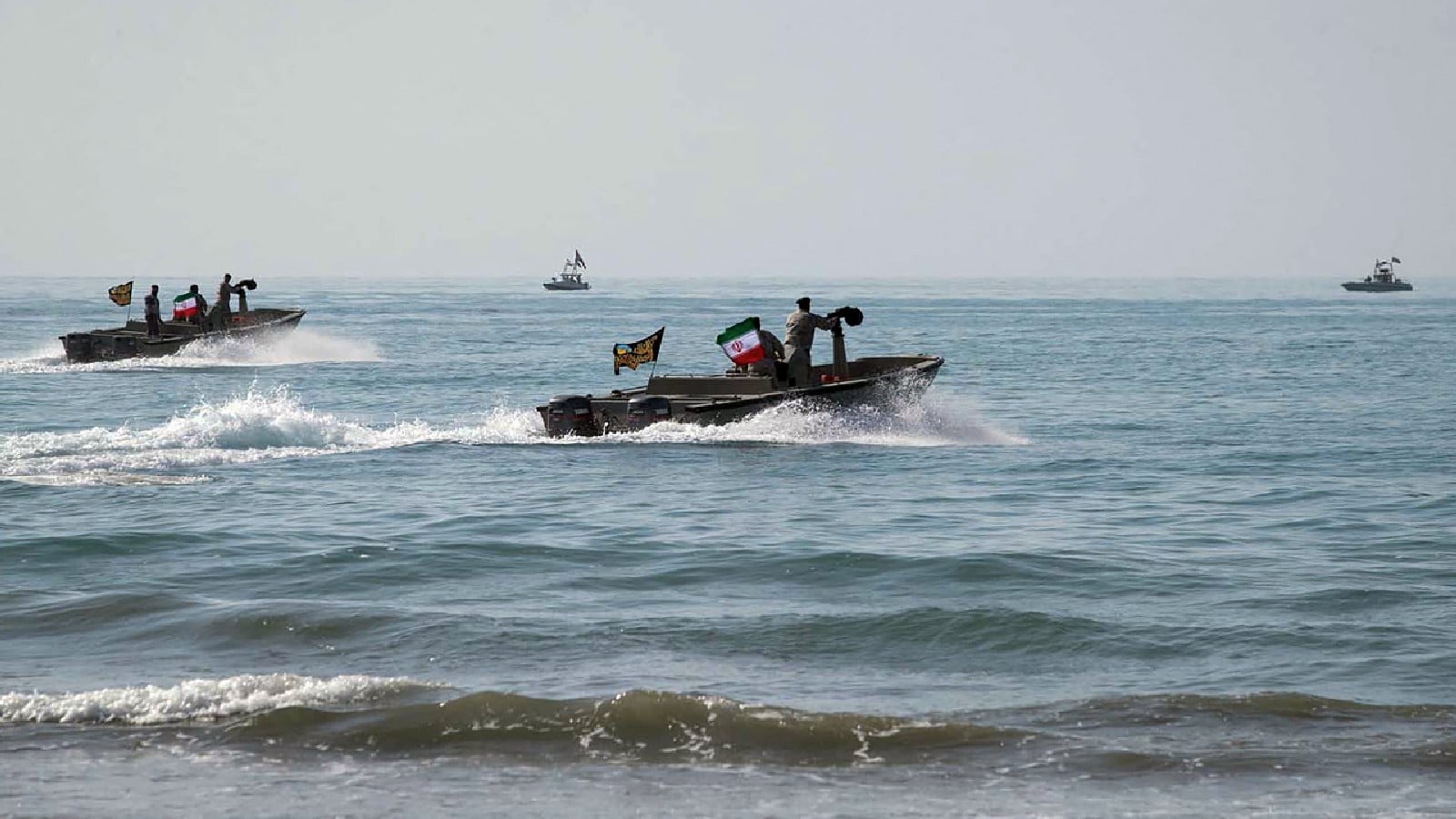
Iranian boats during a military exercise in the Gulf, near the strategic strait of Hormuz in southern Iran. (IMAGE: AFP)
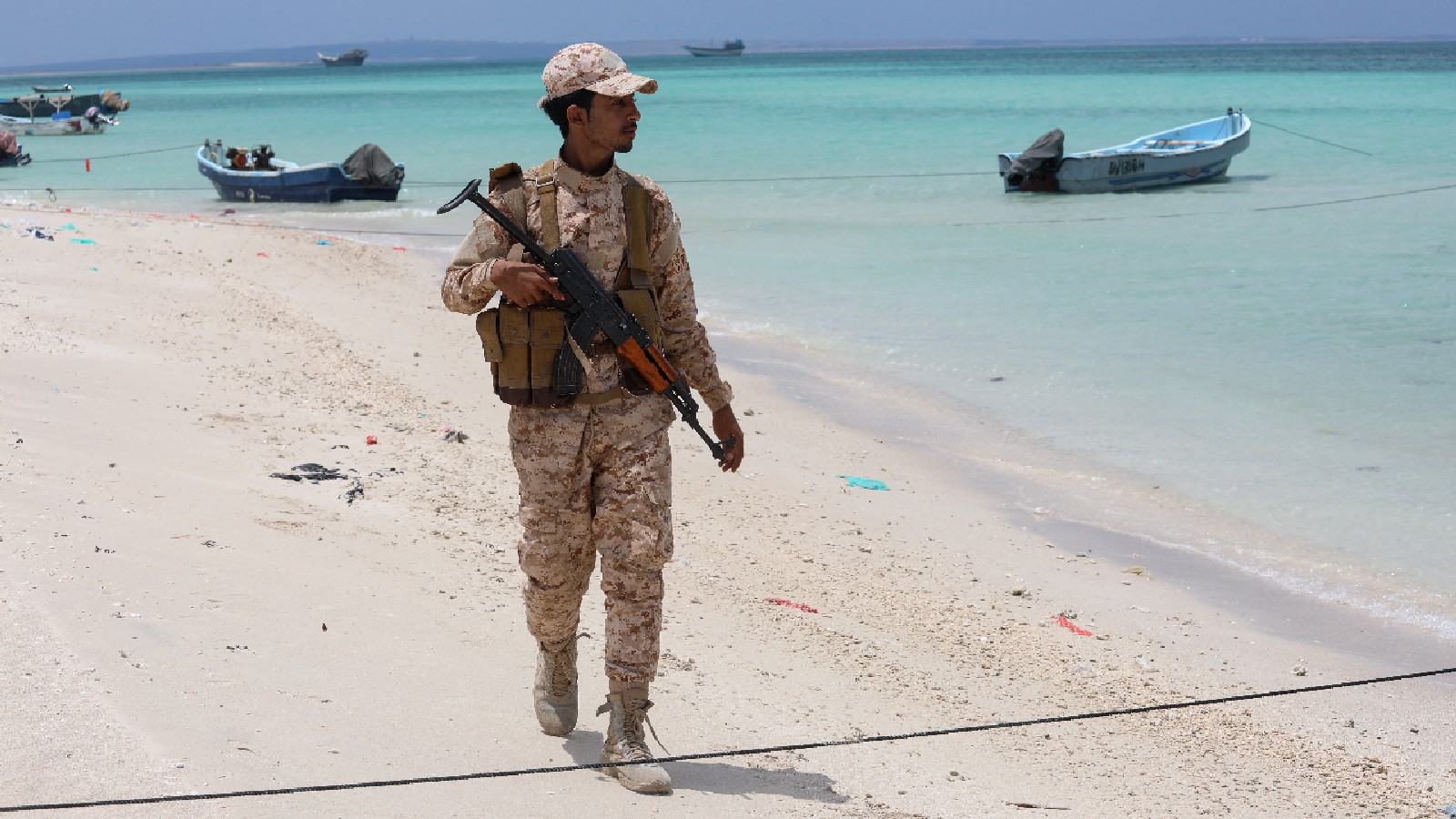
No longer just a geographical narrow, the Bab-el-Mandeb is now a theater of asymmetric warfare, where Houthi rebel attacks on commercial shipping have effectively hijacked the primary route to the Mediterranean. (IMAGE: REUTERS)
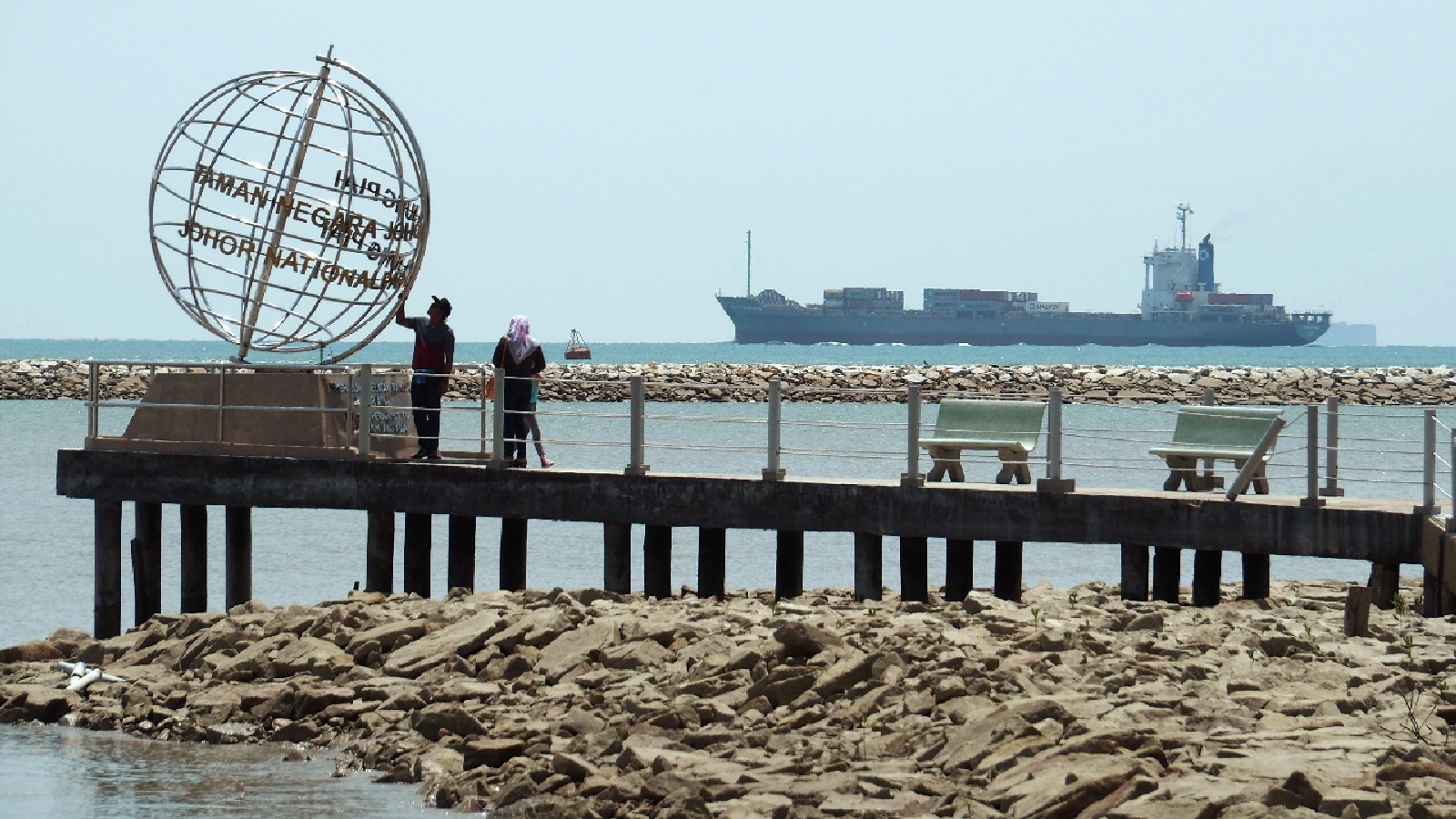
As the primary artery for 25% of global trade, the Strait of Malacca is the focal point of the Indo-Pacific power struggle, where any blockade could effectively 'starve' the manufacturing giants of East Asia. (IMAGE: REUTERS)
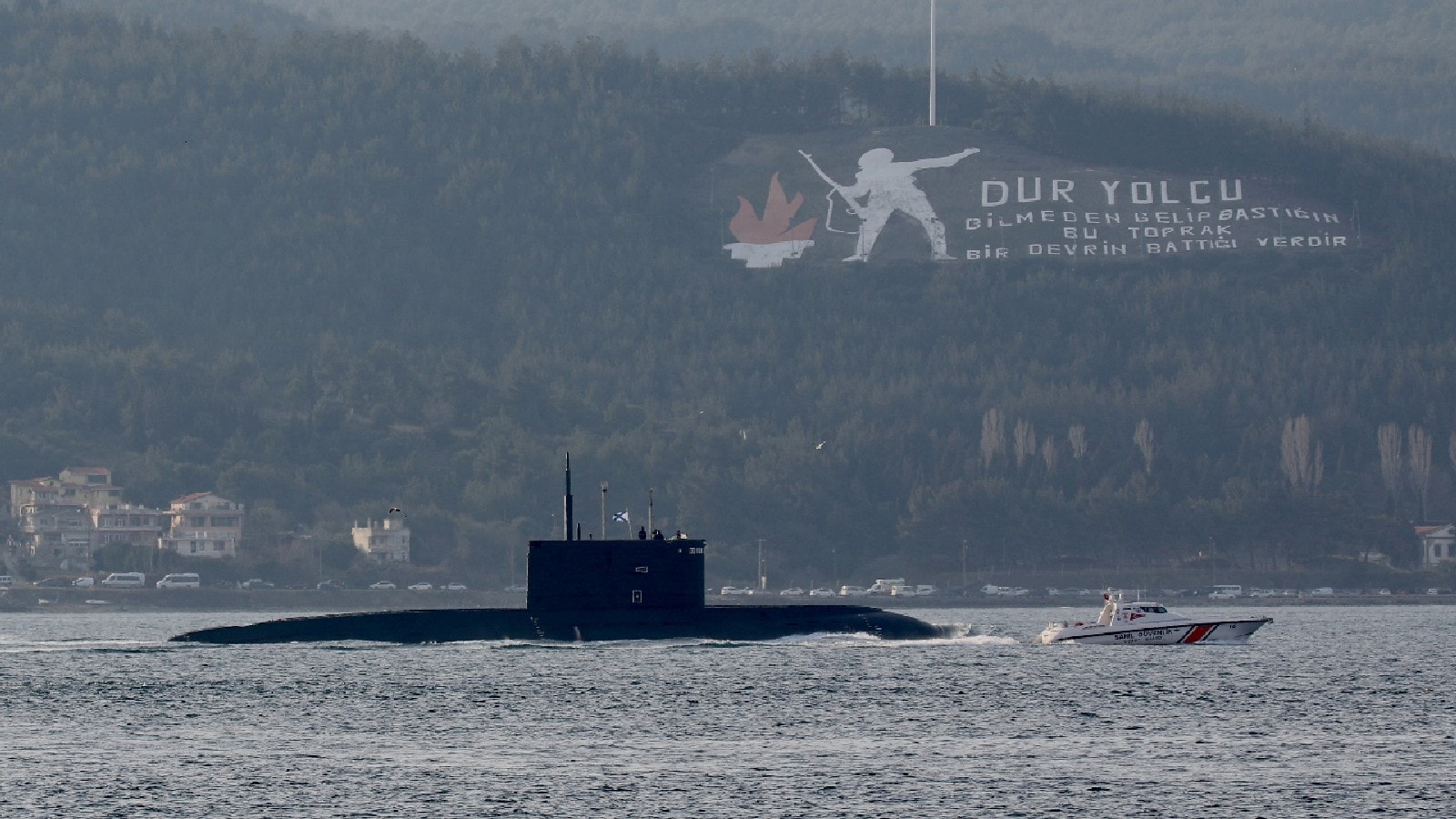
By invoking the Montreux Convention, Turkey has turned the Dardanelles into a diplomatic shield, barring warships from entering the Black Sea and preventing further escalation in the Russia-Ukraine naval theatre. (IMAGE: REUTERS)
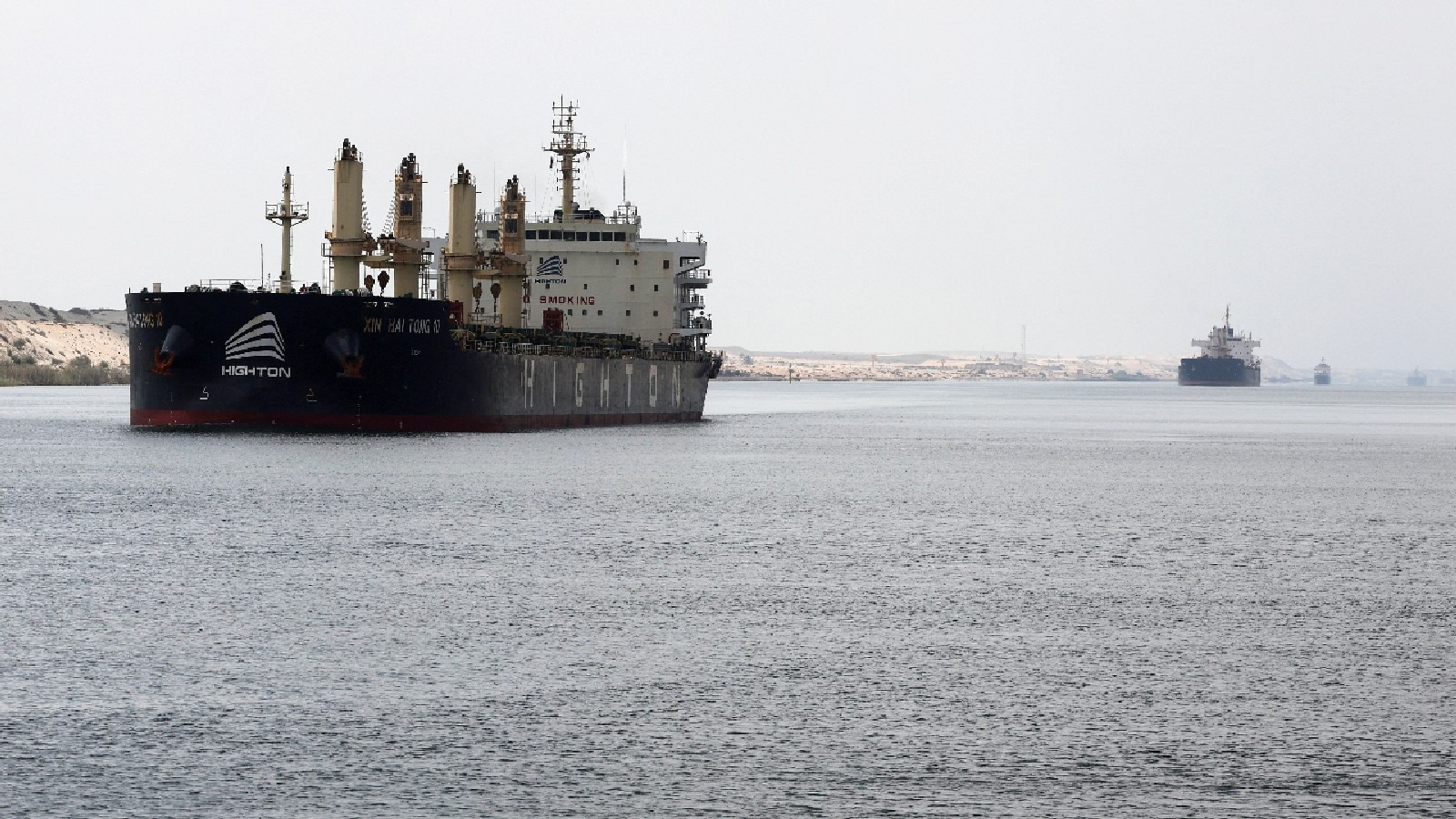
The Suez represents 'time'; even a minor disruption here forces a 9,000km detour around Africa, adding millions in fuel costs and weeks of delay for consumer goods. (IMAGE: REUTERS)
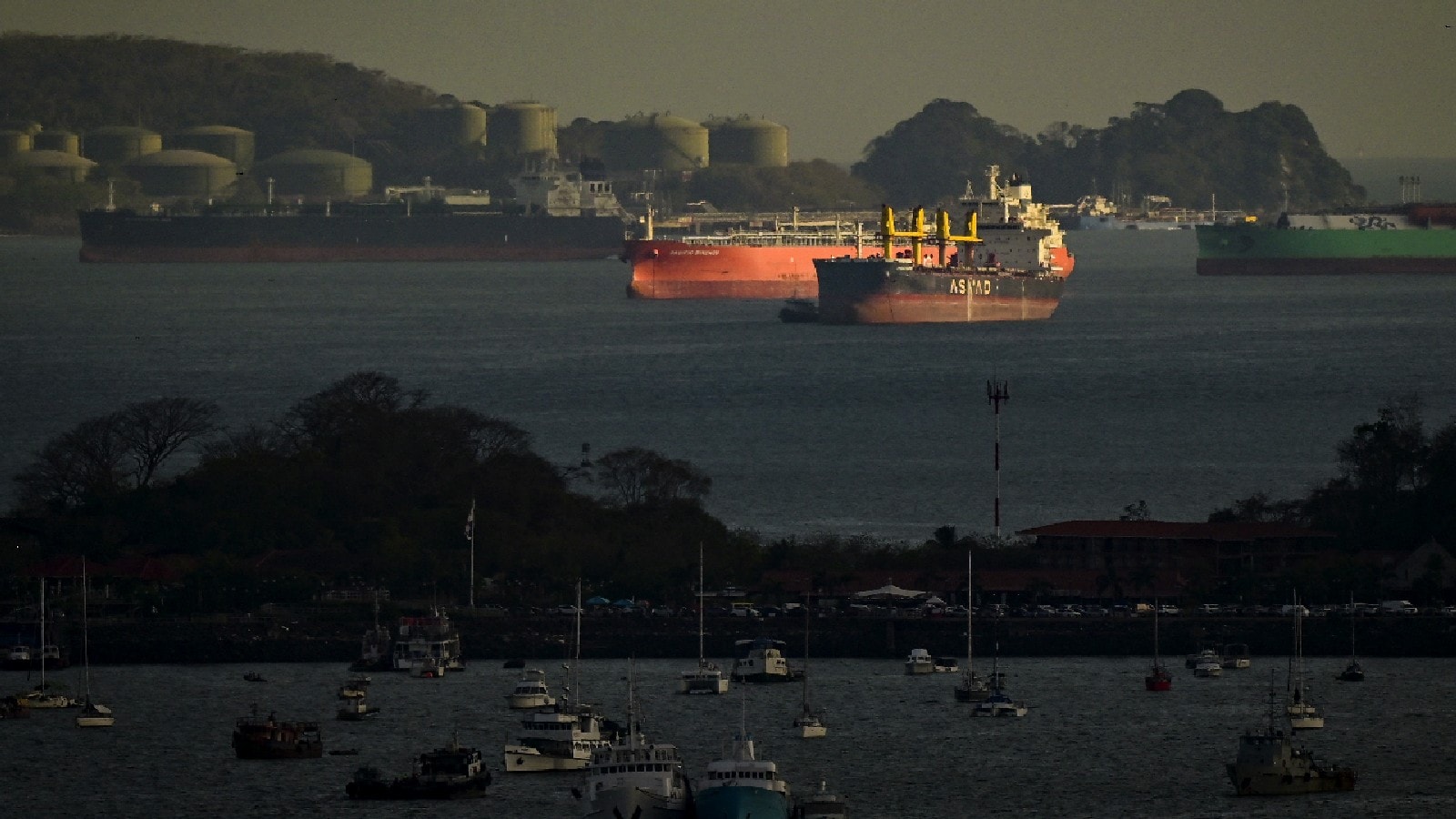
In a shift from traditional military threats, the Panama Canal is currently choked by climate change; record low water levels have forced the world's most famous locks to slash daily transits, creating a massive backlog of vessels. (IMAGE: AFP)
News Photogallery Strait Of Hormuz, Suez, Panama: How A Few Routes Can Choke Global Trade




 English (US) ·