

 1 hour ago
2
1 hour ago
2
The Supreme Court on Friday (May 22, 2026) allowed bail to a young man from Jammu and Kashmir accused under the Unlawful Activities (Prevention) Act (UAPA) for being part of a cross-border conspiracy to “originate and implement” a covert method of attack called ‘hybrid terrorism’ in the Valley using both physical and online realms to radicalise youths to take up arms after the abrogation of Article 370.
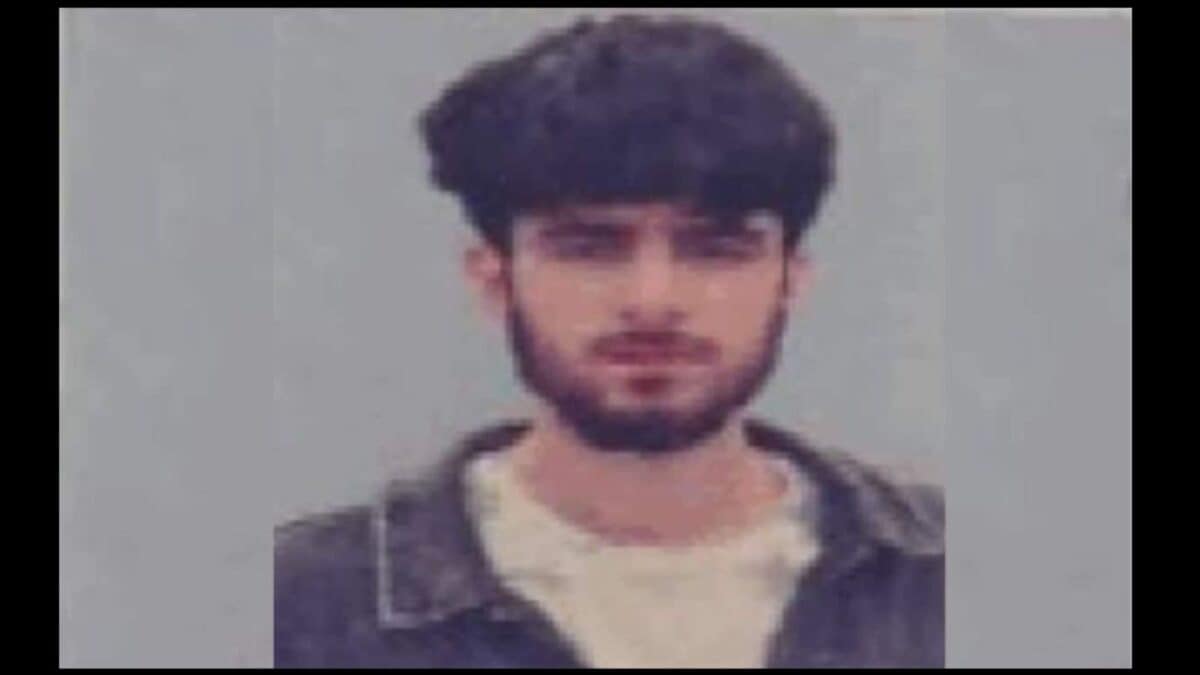
A Bench headed by Chief Justice of India Surya Kant took note of the fact that the man, Suhail Ahmad Thokar, had been languishing in custody as an undertrial since his arrest in October 2021.

The Supreme Court noted that the trial would take time. Meanwhile, protected witnesses in the trial had already made their statements without fear. The Bench said Suhail Ahmad Thokar, in his twenties, should be enlarged on bail considering the period of time he had already spent behind bars as an undertrial. The court did not make any comments on the merits of the case against Mr. Thokar, and subjected him to stringent conditions to be imposed by the NIA court in Delhi.
Mr. Thokar’s counsel said there were 300-odd witnesses in the case. The only allegation against his client was that he took two persons to a house. The National Investigation Agency (NIA) had attempted to build a case against him through “extracts” allegedly found on his phone. “The only evidence supposedly shown against me is what I gave them… Nothing remains against me. The protected witnesses have not said anything to implicate me,” the counsel submitted.
Explained | What makes the UAPA so stringent?
The release on bail has come only a few days after the Supreme Court underscored the role of constitutional courts to protect the right to speedy trial and personal liberty of UAPA accused in the case of another young man from Jammu and Kashmir, Syed Iftikhar Andrabi.
The judgment had criticised a January verdict of the Supreme Court denying bail to former JNU student leader Umar Khalid and Sharjeel Imam in a UAPA case. Justice Ujjal Bhuyan had observed that the catchphrase ‘bail is the rule and jail is the exception’ was not just an empty slogan, even in UAPA cases.
The Supreme Court’s relief for Mr. Thokar has come nearly three years after a Division Bench of the Delhi High Court, in September 2023, rejected the very same arguments that “‘bail is the rule, jail is the exception’, requiring the harmonising of mitigating circumstances in favour of the accused, thereby maintaining an equilibrium and facilitating bail under a lenient approach”.
The National Investigation Agency (NIA) has accused him of “active involvement” in sharing materials eulogising slain terrorists and proscribed terrorist groups through various online forums and social media platforms, radicalisation of the local youths as well as instigating fear and terror in the Kashmir Valley
The agency said the case was registered on the basis of intelligence inputs that the conspiracy was orchestrated by terror groups, including Lashkar-e-Taiba, Jaish-E-Mohammed, Hizb-ul-Mujahideen, Al-Badr, etc. It was further alleged associations with entities such as The Resistance Front, People Against Fascist Force and Mujahideen Ghazwat-ul-Hind along collaboration with their facilitators and leaders based in Pakistan and Over-Ground Workers in India.
The Delhi High Court order in September 2023 said the objective of the conspiracy was to recruit and train susceptible young individuals for “participating in acts of terrorism, which included handling weapons, ammunition, and explosive materials. These actions were intended to execute acts of terrorism, involving attacks on civilians and security forces, with the intention of spreading fear within the Kashmir Valley and in various regions of India, subsequent to the revocation of Article 370 from the Constitution”.





 English (US) ·