

 2 hours ago
3
2 hours ago
3
ARTICLE AD BOX
4 min readMumbaiUpdated: Feb 7, 2026 11:21 PM IST
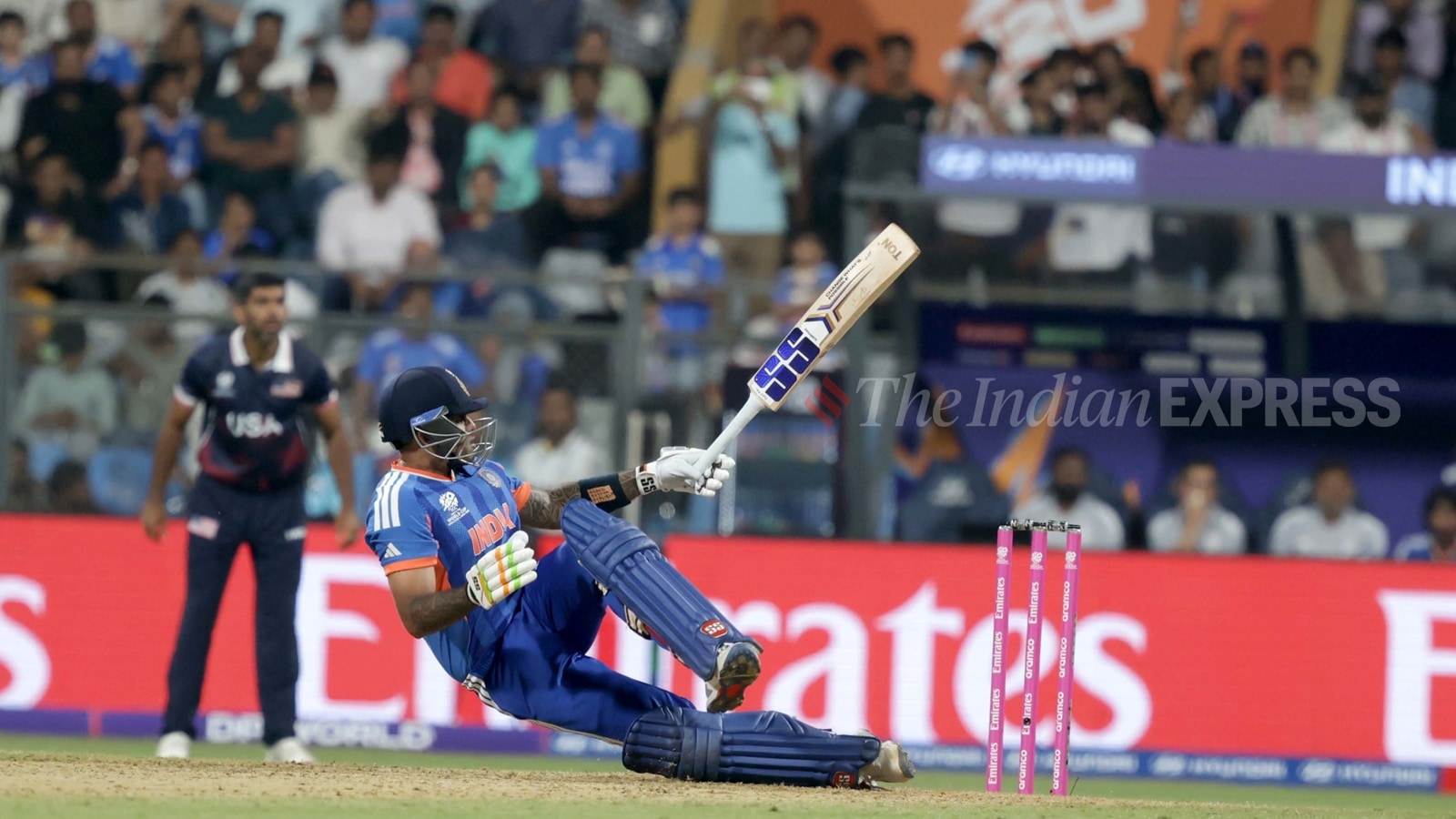
 Suryakumar Yadav in action. (Express photo by Narendra vaskar)
When the World Cup draw was announced, the opening fortnight looked grim: potential blowouts as cricket’s elite bulldozed the associates. By stumps on Day One, that assumption looked dangerously condescending. The Netherlands nearly stunned Pakistan in Colombo. Then in Mumbai, a team of American immigrants reduced India to 77 for 6—and silenced one of cricket’s most raucous stadiums.
That it needed Suryakumar Yadav to buckle down and steer his team to what proved a match-winning total was testament to the pressure applied by an American team chasing immigrants’ dreams.
When Hardik Pandya fell, scything to sweeper cover—a position the USA had successfully deployed to dismiss Abhishek Sharma as well—Suryakumar walked slowly towards the incoming Axar Patel. Concern flickered across the Indian captain’s face. Had India been bowled out for 125-135, things could have turned ugly, especially if dew sprouted from the grassy Wankhede during the chase, making their bowler’s night a miserable one. As it turned out Surya ensured there would be a blow out, and no dew emerged.
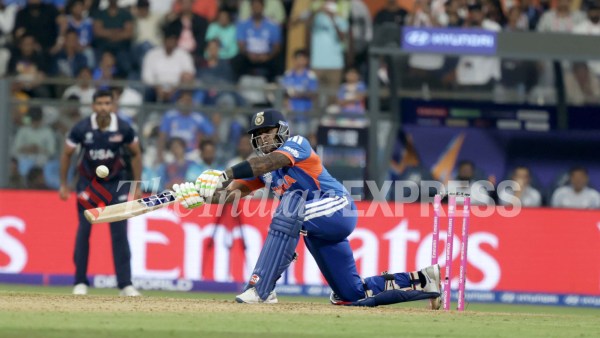 India skipper Suryakumar Yadav in action during the T20 World Cup match vs USA in Mumbai. (Express Photo by Narendra Vaskar)
Surya had to shelve any notions of all-out bravado—Bazball aggression, in other words. And he did. A sobering stat made the rounds at the point of Hardik’s exit: India had never lost their sixth wicket this cheaply—at just 77—against an associate nation in T20Is. Surya couldn’t let it get worse.
He fell back on his favourite sweep shot against the spinners to give himself breathing space. A few balls after Hardik’s exit, having mistimed a couple of drives on a tacky pitch where the ball was stopping, Surya went for his release shot. The boundary brought relief. Soon after, India reached the drinks break at 86 for 6 with six overs remaining. Could they reach 150?
The counterattack
The 16th over proved the back-breaker for the USA. Twenty-one runs came off Saurabh Netravalkar’s bowling. Worse, the USA lost their most impressive bowler, Ali Khan, who had rushed batsmen with his raw pace. His feet got stuck in the turf at backward point and he crumpled to the ground in agony, hobbling off with his full quota of overs unused.
The boundaries came through placement, not power. Axar slashed and steered two fours. Then Suryakumar took over. He shuffled towards off on the fifth ball and flicked the length delivery contemptuously beyond square leg. Next came a full toss, which he slapped cleanly over long-off.
Story continues below this ad
Ali tried returning for the 18th over but the pain proved too severe. He hobbled off again. That hurt the USA badly as the situation spiralled—Netravalkar had to bowl the final over. Suryakumar ransacked 21 runs off it with his full array of shots: the sliced square drive, a stunning lap-six over fine leg played from his knee after walking down the pitch, a conventional blast over long-off, and a scooped four over short fine.
Perhaps the most attractive stroke came in the 19th over. On his knee, he swatted an outside-off delivery from van Schalkwyk high over square leg. Even the USA players paused to admire it. India finished on 151 for 7. From 77 for 6, Suryakumar had added 74 runs in just over seven overs.
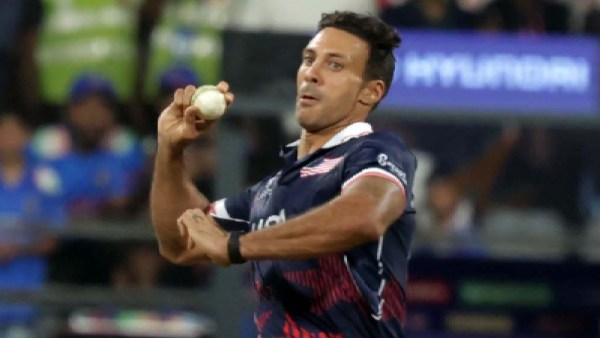 Shadley Van Schalkwyk in action. (Express photo by Narendra Vaskar)
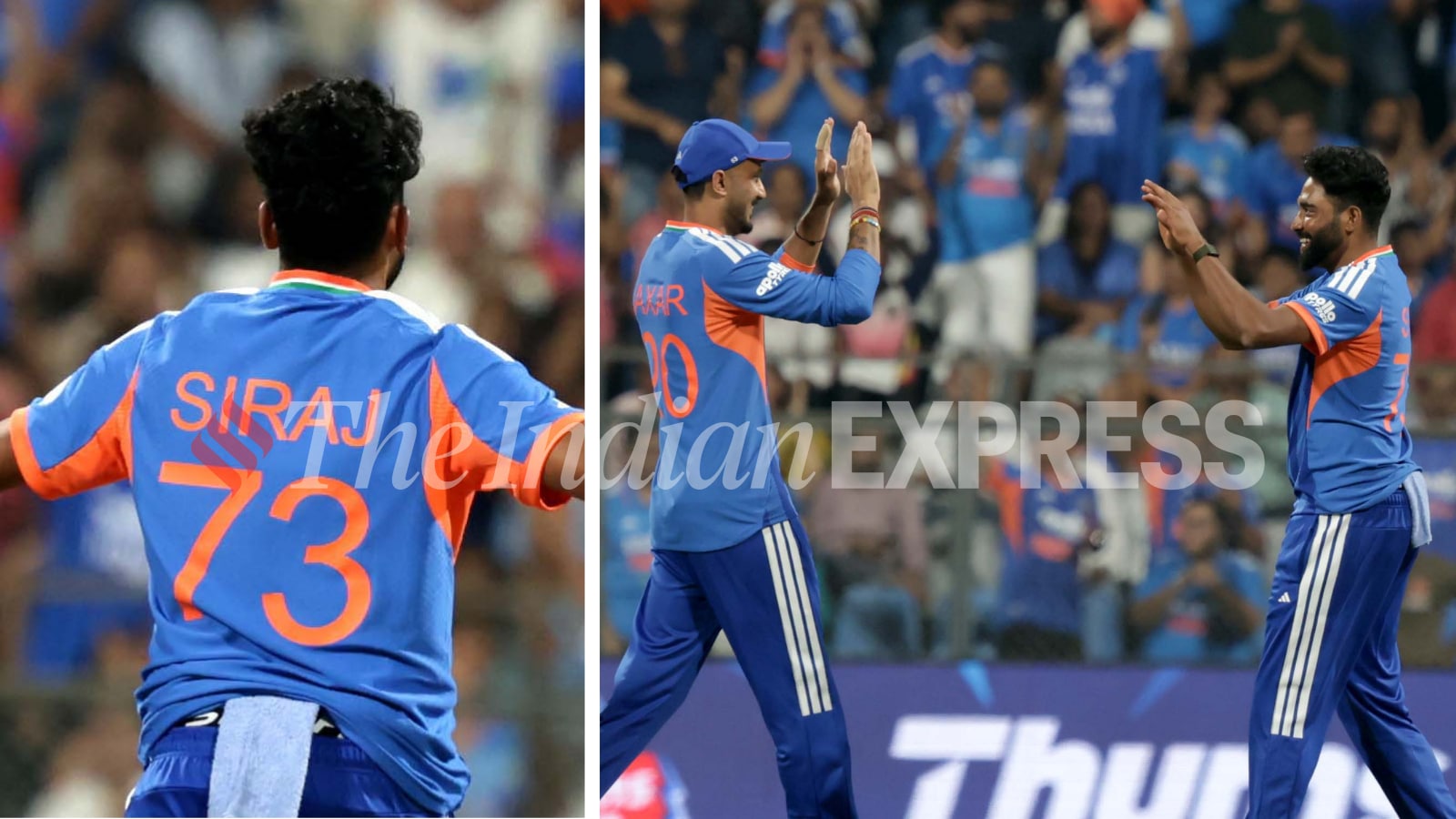
The chase, as expected, went nowhere. The USA lost a clutch of wickets to the new-ball pairing of Mohammad Siraj and Arshdeep Singh, folding meekly.
This match will be remembered for two things. First, Suryakumar’s restraint—his willingness to swallow ego and show the game awareness to recognise what was required. But he isn’t a rookie. His ability to adapt wasn’t surprising.
Story continues below this ad
That makes the second memory more precious: a USA team of immigrants shocked India on the biggest stage. For 13 glorious overs, they silenced the Wankhede with they had gagged Wankhede stadium with a giant tapestry of skill and pluck.
In a tournament many feared would be predictable, they reminded us why we watch: because on any given day, with belief and execution, anything is possible. The associates, it turns out, had come to play.






 English (US) ·