

 1 hour ago
3
1 hour ago
3
ARTICLE AD BOX
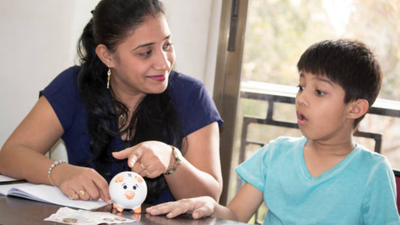
On most evenings, when school bags are dropped and shoes are kicked off, a familiar question often follows: “Can I buy this?” Sometimes it is a piece of chocolate, sometimes a small toy, and sometimes a game on a screen.
The request usually comes quickly, before the day has even been unpacked. Parents pause, think, and try to respond without turning it into a lecture. Gradually, these small moments become quiet lessons about money, choice, and patience.
Where most impulse buying actually happens
A trip to the local market or supermarket can turn into a test of self-control. Bright packets near the billing counter, colourful toys tied to the racks, and posters of new snacks all compete for attention.
Children reach for things that look fun or tasty, even if they had not planned to buy them.Some parents pause before saying yes or no. They ask small things, like, “Do you really need this?” or “Will you still want it tomorrow?” Most children don’t have a clear answer. They usually say it looks nice or that their friend has one.With time, these small breaks start to matter. Children begin to stop for a second before reaching out.
They think, even if only briefly. Slowly, they start sensing the gap between wanting something and actually needing it.
Pocket money and its tiny lessons
Many families give children a small amount of pocket money. It may not be much, but it carries meaning. When children hold their own money, their choices start to feel more real. If they spend it all in one day, there is nothing left for later.Some children spend everything at once on candy or stickers.
A week later, they wish they had saved a little for something bigger. Without anyone explaining too much, they begin to understand planning and waiting.Over time, children start dividing their money in simple ways. A little for spending, a little for saving. It may be for a book, a cricket bat, or a small gift. The idea of saving slowly becomes part of daily thinking.
Talking about needs and wants at home
Most lessons about money don’t happen during serious talks.
They happen in small, ordinary moments. While writing a grocery list, someone might say, “We need rice and vegetables this week.” Another item gets added, then one gets crossed out. Children are usually around, listening without looking like they are listening. Slowly, kids begin to notice patterns. They understand that not everything fits into every shopping trip.
Some things are bought every week.
Some appear only once in a while.Sometimes a parent says, “We already have one at home,” and puts an item back. Or, “We’ll wait for now.” These small comments seem casual, but they stay with children. Later, they start saying the same things themselves, reminding adults about what’s already in the cupboard or pointing out when something isn’t really needed.
Poll
Should kids be given pocket money?
Yes, it's a great learning toolNo, they should not have it
When screens make wanting feel urgent
Screens are part of everyday life now. Between videos and games, ads quietly slip in, showing toys and gadgets that look far more exciting than they usually are.
The desire to own it often comes quickly, without much thought. Some parents wait a day or two before responding to these requests. After a short gap, the excitement often fades. Children move on to something else. When it does not, families talk about whether the item fits into the budget or routine. Gradually, children begin to understand that not every attractive thing needs to be bought immediately.






 English (US) ·