

 1 hour ago
6
1 hour ago
6
ARTICLE AD BOX
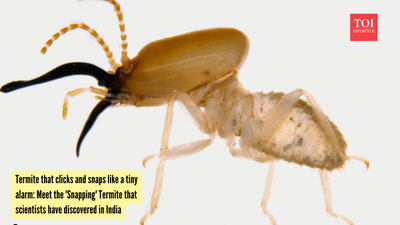
A new species of soil-dwelling termite, Pseudocapritermes novus, has been discovered in West Bengal, India. This 'snapping' termite is distinguished by its unique mouthparts and body armor, which it uses for defense and alarm signaling. Unlike destructive termites, it recycles decaying plant matter, contributing to soil health.
Termites are probably the least wanted insects in our homes, they eat through our expensive furniture and woodwork silently and trickle it down in no time.Although these insects rarely make any noise and are almost unnoticeable until detected for damaging furniture, there is a newly discovered termite species that ‘snaps’ its jaws!While this might sound quite unbelievable, it is true!
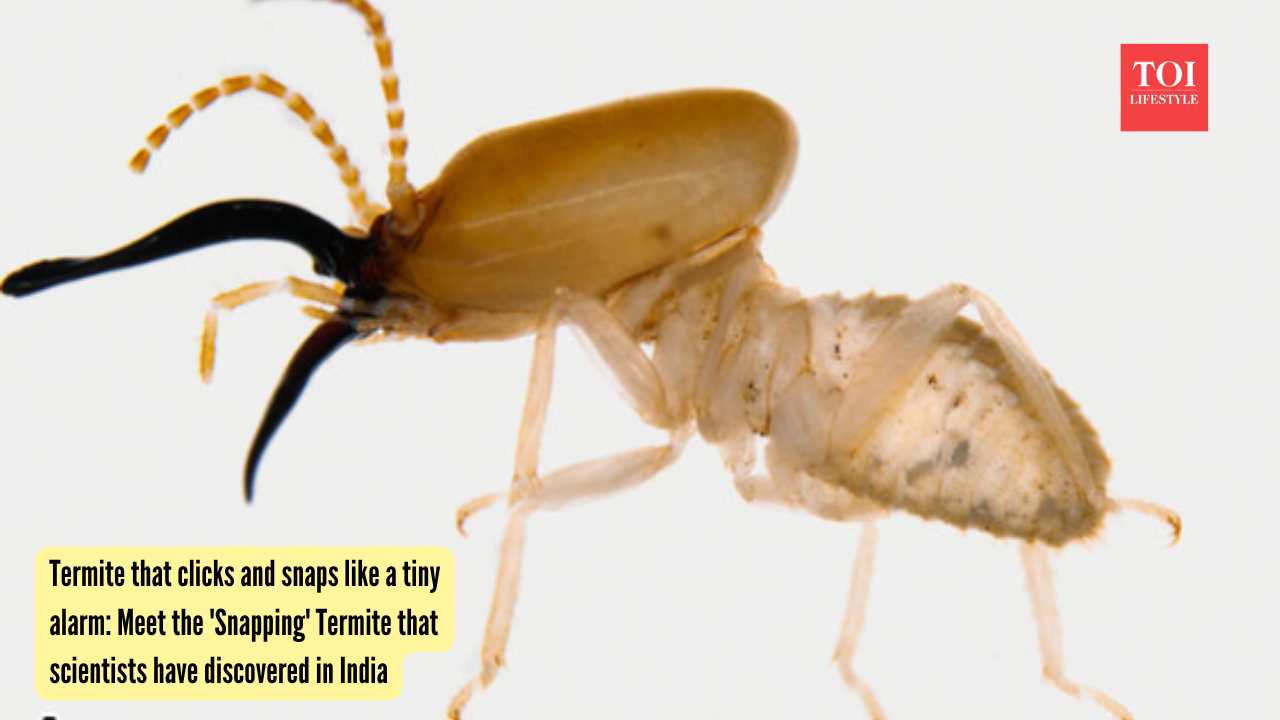
The Snapping Termite (Photo via study: Description of a new species of soil-dwelling termite (Blattodea: Termitidae: Mirocapritermitinae) from the Indian subcontinent)
Scientists have skimmed through this hidden layer and found a resident no one had ever recorded before. India, with its vast and varied forests, has been a goldmine for such discoveries, and researchers keep adding fresh entries to the country's growing catalogue of life.Even though termites have this image for damaging the furniture, they are rarely seen as nature's recyclers and soil-builders, silent engineers whose work impacts the very ground beneath our feet, and what they tell us about the health of the land is invaluable.
Meet the new ‘snapping’ termite species
A team of Indian scientists has identified a brand-new species of soil-dwelling termite in the forests of West Bengal. Pseudocapritermes novus, or the snapping termite, was found during a survey of the Chapramari Wildlife Sanctuary.Researchers from the Zoological Survey of India, the University of Calcutta, and the Church Missionary Society College worked together on the discovery, which was formally described by Rituparna, Baraik, and Rajmohana in the Journal of Insect Biodiversity and Systematics.
What is so special about this species?
According to the study, the team collected the insects from soil beneath a fallen Sal tree log, then examined the termite's body under a microscope while reading its mitochondrial DNA to place it on the termite family tree.What sets this species apart is the unique shape of its mouthparts and body armour. Like its relatives, P. novus belongs to a group of termites popular for their lopsided, snapping jaws, which they use to defend themselves or sound an alarm with a sharp clicking noise.Compared with its closest cousin, P. bhutanensis, this new species has a strongly bent left jaw with a slightly inward-curving tip, a rounder swollen section beneath its beak, a longer and wider lower mouthpart, and prominent spurs on its front legs.
The species has a unique name and a special role in the environment
Researchers named the new termite Pseudocapritermes novus; here, “novus” comes from the Latin word for “new.”It is different from the usual termites that are destructive in nature and send people into a frenzy of constant worry. This one eats soil and decayed plant matter. Doing so helps make the soil richer and is a good sign of healthy, fertile ground. Adding to this, India now has five recorded species of Pseudocapritermes.Interestingly, the team found P. novus living right next to a different termite species. That suggests that it might be an inquiline, or an animal that shares another species’ nest. The researchers say they need to do more work to be sure.









 English (US) ·