

 11 hours ago
4
11 hours ago
4
ARTICLE AD BOX
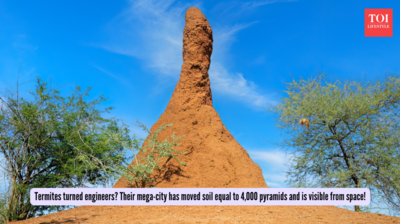
Termites, often seen as pests, are revealed as remarkable engineers. These insects construct colossal, long-lasting mounds with sophisticated ventilation systems, some visible from space. Their tireless work transforms ecosystems, making them unparalleled builders in the insect world. Discover how these tiny creatures achieve such monumental feats.
Termites are often seen as homewreckers, chomping through wood and costing billions in damage each year. But what if science tells you that they are actual builders?Beyond just eating wood, these pint-sized insects are engineering wizards, building structures that dwarf even human-built infrastructure in scale and smart tricks.
With around 3,000 species worldwide, they live in colonies of millions, recycling dead plants into life-sustaining hubs.
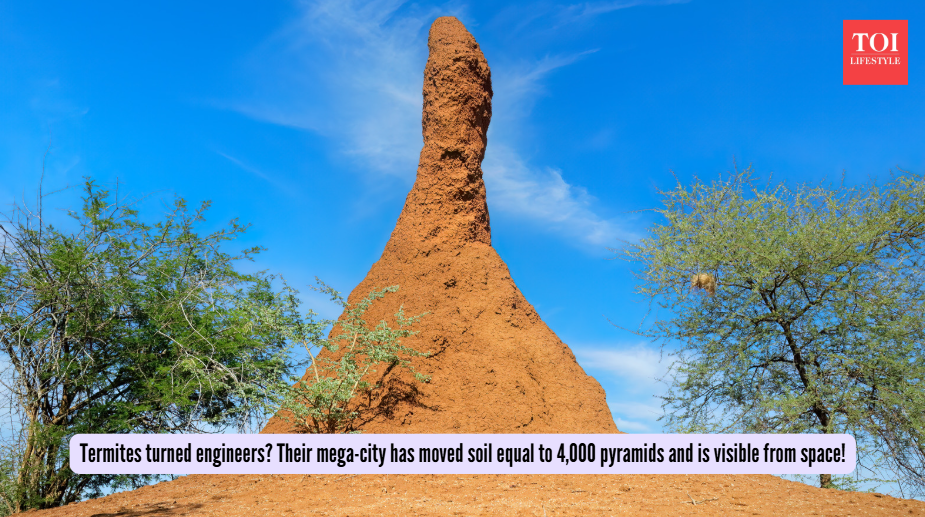
Termites turned engineers? Their mega-city has moved soil equal to 4,000 pyramids and is visible from space!
Termites beat human builders?
Termites punch way above their tiny weight. These social insects, often mistaken for ants, live in huge colonies munching detritus, or non-living organic particulate matter.They build complex nests in trees, wood, or underground, with sky-high chimneys for airflow. Made from soil, saliva, and feces, these tough mounds last thousands of years.
Australia’s cathedral termites build the tallest ones, up to 8 metres high. Compared to human size, that’s like stacking four Burj Khalifas.
Inside the cooling towers
Don’t judge these boring, eerie-looking structures by their rough outer surfaces. Inside, tunnels form a genius network, pulling fresh air in and pushing bad gases out.This keeps nests cool and steady, like built-in termite AC. Chimneys act as vents, regulating temperatures perfectly.
Workers grow sideways too, linking new sites into mound cities when food runs low.
Brazil’s space-visible mega-city
The caatinga mounds in northeast Brazil’s dry forests are the biggest among them all. According to the Discover Wildlife report, conical “murundas” hit 2.5 metres tall and 9 metres wide, spread across a Great Britain-sized land area. They are visible from space and built by Syntermes dirus, a termite species over 4,000 years old. Termites shifted 10 km³ of earth, matching 4,000 Giza pyramids.
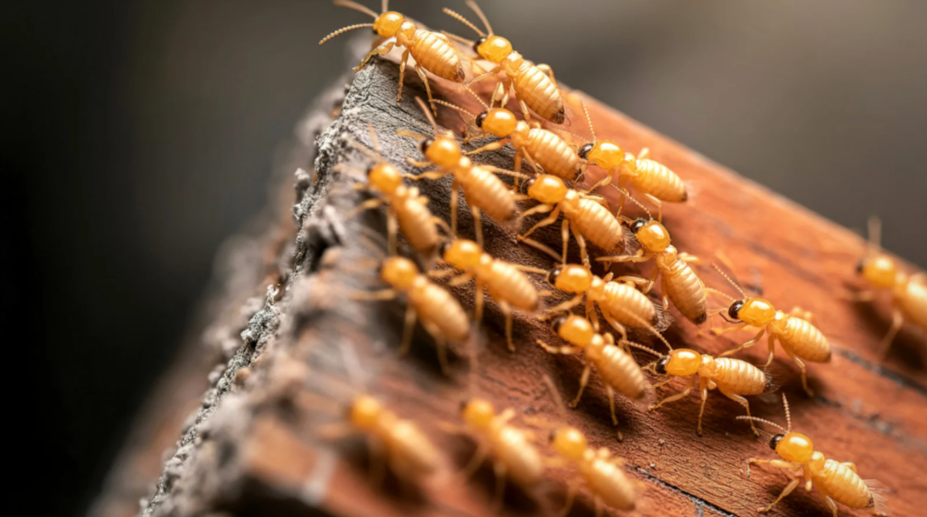
Representative Image
They eat and dig during the night
At night, squads of up to 50 termites pop out via temporary tunnels, snag leaves, and take back whatever is useful. They seal entrances quickly, stocking larders below. There are no delicate openings, just a straight drop to massive underground tunnels. This keeps the colony fed and helps build the huge structure, generation after generation.
Termites - the greatest insect engineers ever
Scientists rank the caatinga mounds as the ultimate example of one species changing an entire ecosystem. Termites go beyond building the tallest towers or largest underground cities; they transform soil, air, and forests.









 English (US) ·