

 1 hour ago
7
1 hour ago
7
ARTICLE AD BOX

Hero aina, housewife aina... dialogue correct ga padithe evaraina bedharalsindhe!” This punch dialogue from Maa Inti Bangaram neatly sums up a shift unfolding in Telugu cinema.
For years, the industry’s biggest box-office milestones were defined by male-led spectacles, with `100-crore, `200-crore and `500-crore blockbusters becoming commonplace. For solo female-led films, however, the ceiling remained largely unchanged for nearly two decades. That may finally be about to change. Still running in theatres, Maa Inti Bangaram has grossed over `96 crore worldwide, making it the highest-grossing solo female-led Telugu film. As it edges towards the `100-crore mark, its success raises an important question: Have audiences always wanted more women-led stories, or has the industry simply been reluctant to back them?
Post-COVID, we’ve lost a lot of footfalls, especially among women and family audiences... Our goal was to make an entertaining film that celebrated Samantha in the way Telugu audiences have always loved her, while bringing those audiences back to theatres Post-COVID, we’ve lost a lot of footfalls, especially among women and family audiences... Our goal was to make an entertaining film that celebrated Samantha in the way Telugu audiences have always loved her, while bringing those audiences back to theatres
– Nandini Reddy, director
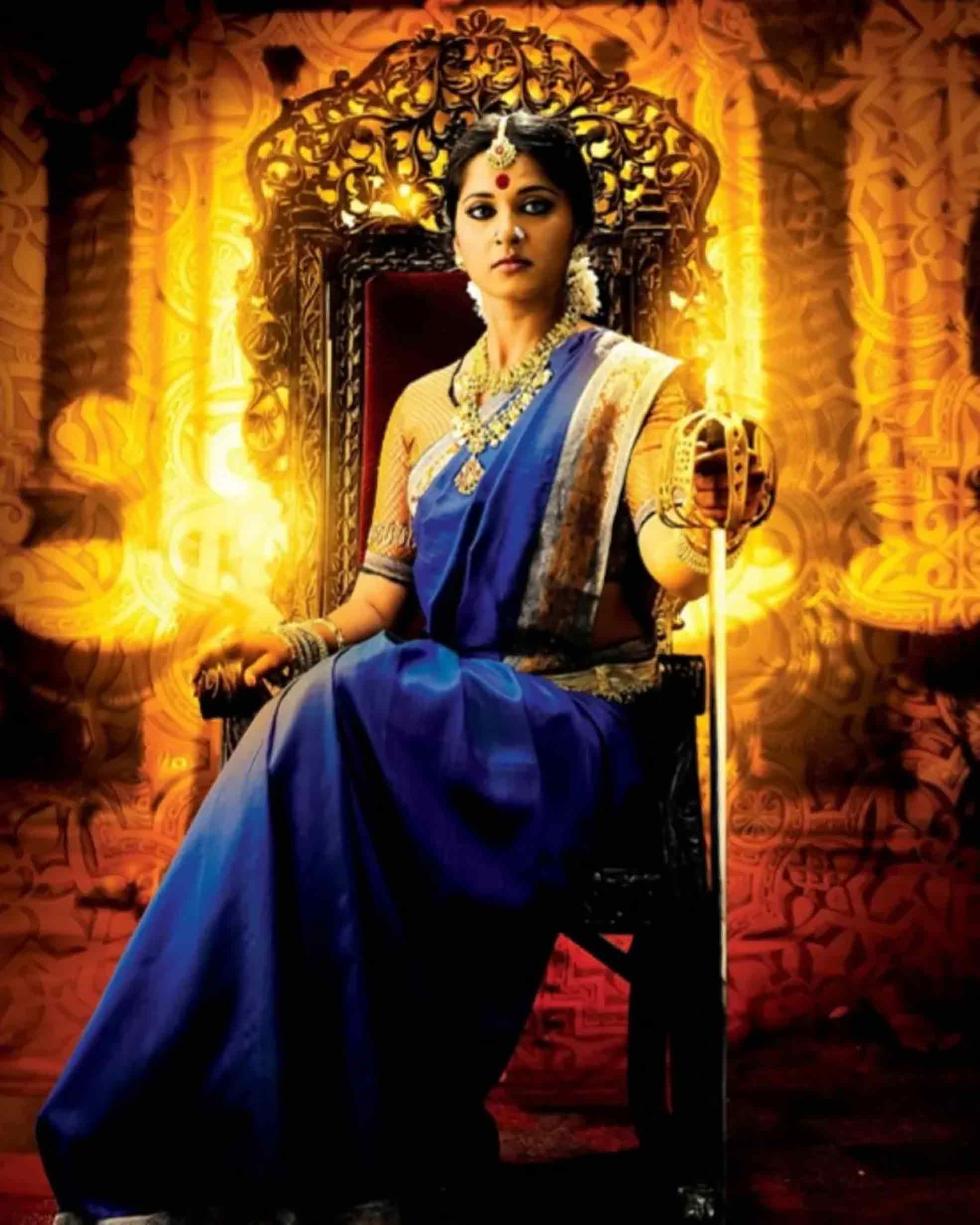
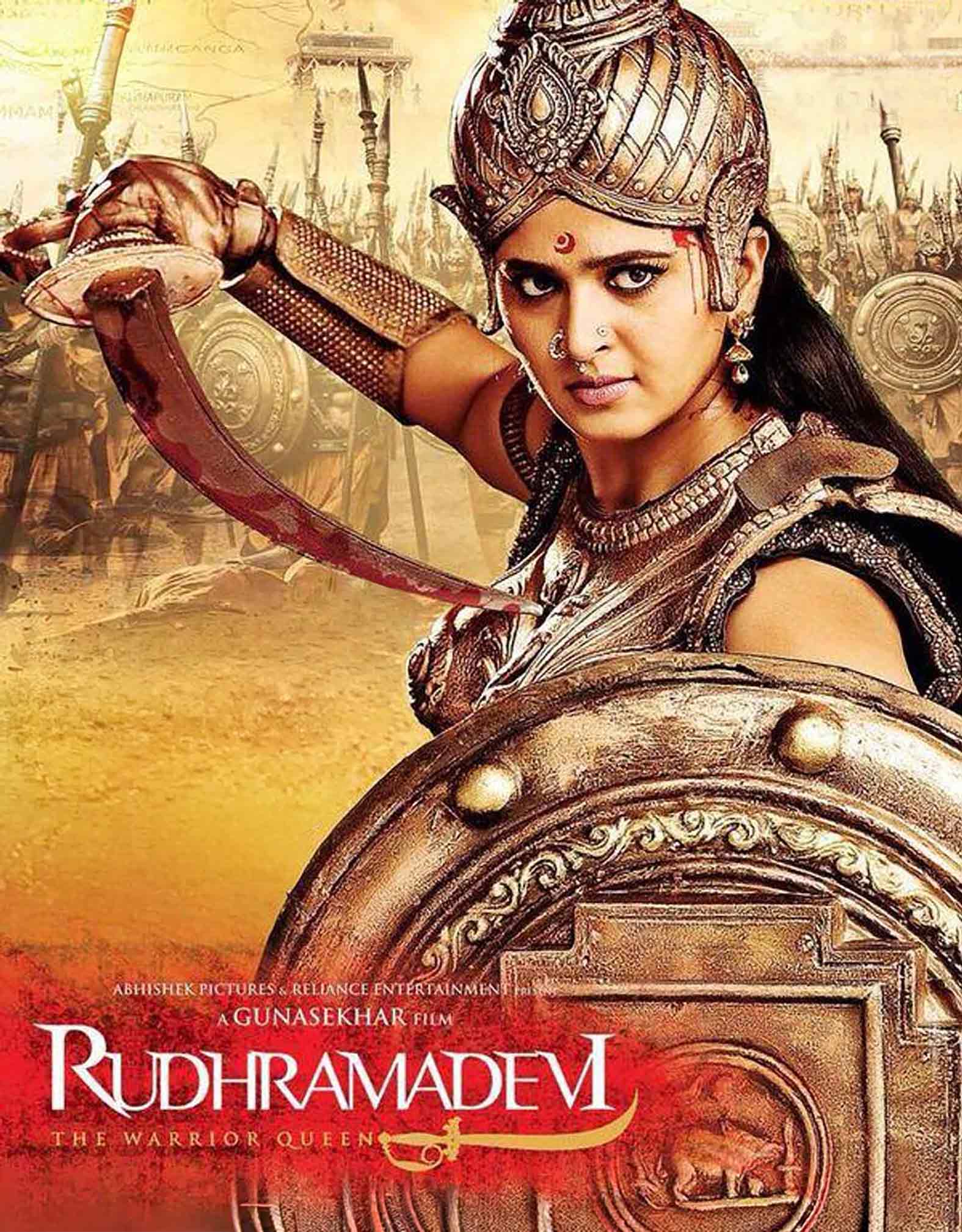
‘Female-led films have always had a tougher journey at the box office’When Arundati released in 2009, it challenged the notion that only hero-led films could dominate the box office. It established Anushka Shetty as a bankable star and set a benchmark that remained unmatched for 17 years. Several female-led films followed, including Rudhramadevi and Mahanati, but their commercial success was often attributed to ensemble casts, historical subjects or lavish production values rather than the leading actor’s pull.
Male stars, by contrast, rarely face the same scrutiny. Without major male cameos or nostalgia to bolster it, Maa Inti Bangaaram has put Samantha’s star power firmly under the spotlight.
“Female-led films have always had a tougher journey at the box office because they don’t get as many opportunities as male-led films, where records are broken more frequently,” says producer Neelima Guna. “Actresses like Anushka and Samantha deserve immense credit for paving the way.
Headlining these films demands much more than playing the heroine in a commercial entertainer — they’re involved in story discussions, carry the narrative on their shoulders, and take on far greater responsibility. It’s wonderful to see that effort finally paying off.”

The most heartening thing of all is seeing women contribute so heavily to the opening day. For the longest time, we’ve heard that theatrical openings are driven by male audiences. It’s wonderful to see the audience for cinema continue to grow and evolve
– Samantha Ruth Prabhu
‘The audiences didn’t stop watching female-led stories; we just stopped telling them’Director Nandini Reddy says the film was designed to bring women and families back to theatres, a segment she believes the industry has gradually overlooked.
“Post-COVID, we’ve lost a lot of footfalls, especially among women and family audiences. Our goal was to make an enjoyable film that celebrated Samantha in the form Telugu audiences have always loved,” she says. According to Nandini, the industry’s growing focus on male-centric commercial cinema has unintentionally left a significant section of viewers underserved.
“Earlier, even hero-led films had strong female characters and family appeal.
Gradually, those elements became secondary. The issue wasn’t that audiences stopped watching these stories — it was that we stopped telling them.”

Numbers based on box-office estimations
- Maa Inti Bangaaram ₹96cr+ gross box office collection
- Mahanati ₹86cr gross box office collection
- Arundati ₹78cr gross box office collection
- Rudhramadevi ₹82cr gross box office collection
- Oh! Baby ₹45cr gross box office collection
- Bhaagamathie ₹67cr gross box office collection
Every successful female-led film becomes the benchmark for the next one. Today, producers and OTT platforms have much more faith in these stories because they’re not only winning hearts but also delivering commercially
– Neelima Guna, producer

‘You can’t serve old wine in a new bottle, stories still need to feel fresh and entertaining’Audience tastes also have steadily evolved, says Neelima. “The change has been gradual over the last 15 years. When we were making Rudhramadevi, we had to convince people that a film like this could work, and we pointed to Arundati as proof of Anushka’s pull at the box office.
Every successful female-led film becomes the benchmark for the next one. Today, producers and OTT platforms have much more faith in these stories because they’re not only winning hearts but also delivering commercially,” she says, adding, “We have films like The Girlfriend, which explored subjects that hadn’t been spoken about much before, also doing well.
It is opening doors for more actresses to believe in women-led stories.

A female-led film works best when its central character is genuinely powerful, not reduced to glamour. The same applies to mainstream films — strong female characters only make them better. Baahubali is a perfect example. Imagine the film without Anushka Shetty or Ramya Krishnan. I hope the recent success of women-led films encourages more filmmakers to tell these stories
– Shyam Prasad Reddy, producer of Arundati (2009)
Director Nandini Reddy believes the success of Maa Inti Bangaaram could pave the way for more women-led projects, provided filmmakers continue to offer fresh stories. “You can’t serve old wine in a new bottle. The stories still need to feel fresh and entertaining. But if this film has brought back audiences who hadn’t been visiting theatres, that’s a victory for cinema itself.”







 English (US) ·