

 1 week ago
7
1 week ago
7
ARTICLE AD BOX
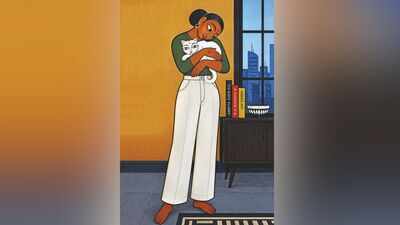
Not long ago, a ‘cat person’ was an unfortunate trope – eccentric, solitary, and slightly aloof, living on the fringes of the neighbourhood and popular culture. Today, that narrative has completely flipped. Owning a cat now signals self-sufficiency, emotional intelligence, and an appreciation for boundaries. In a world that feels increasingly loud, chaotic, and demanding of our constant attention, choosing a companion that values silence and independence has become more than a lifestyle choice. It’s helping reshape a booming pet economy from retail shelves and healthcare to cafés, fashion, and social media.
The cat economy Cats are driving a traditionally dog-dominated industry towards feline-specific products and services. “Now about three out of 10 customers ask for cat food, which is a sunrise category,” says Paulami Ganguly, founder of pet food brand MangoLicks. Fashion labels catering to pets have seen the shift unfold just as dramatically. “When we launched in 2017, nearly 90% of our range was for dogs. Today, the split is around 60% dogs, 30% cats, and 10% pet parents,” says Vikrant Dhir, founder of pet lifestylebrand Ruse. Retailers are seeing similar changes on the shop floor.
“Earlier, our customers were mostly dog owners. Today the ratio is closer to 70:30, and we’ve expanded our range to include cat medicines, toys, and clothing,” says Tanmoy Ghosh of Pink Paws, a petcare retail chain in eastern India. Healthcare providers say the boom in pet ownership is being fuelled by a deeper emotional bond between people and their companion animals. Gaurav Ajmera, founder & CEO, Vetic, says he started the company after his pet Simba was unable to receive quality care when it was needed most.
“Pets are not ‘just animals’. They are companionship during lonely years, emotional support through difficult times, comfort, joy, and family,” he says.
Regional patterns are becoming increasingly distinct. As per data from a survey conducted by a quick-commerce platform, while Mumbai remains India’s ‘Cat Capital’ by dint of sheer numbers, Kolkata is emerging as the country’s most fiercely cat-dominated market.
Bengaluru and Hyderabad are the other cat-loving metros.
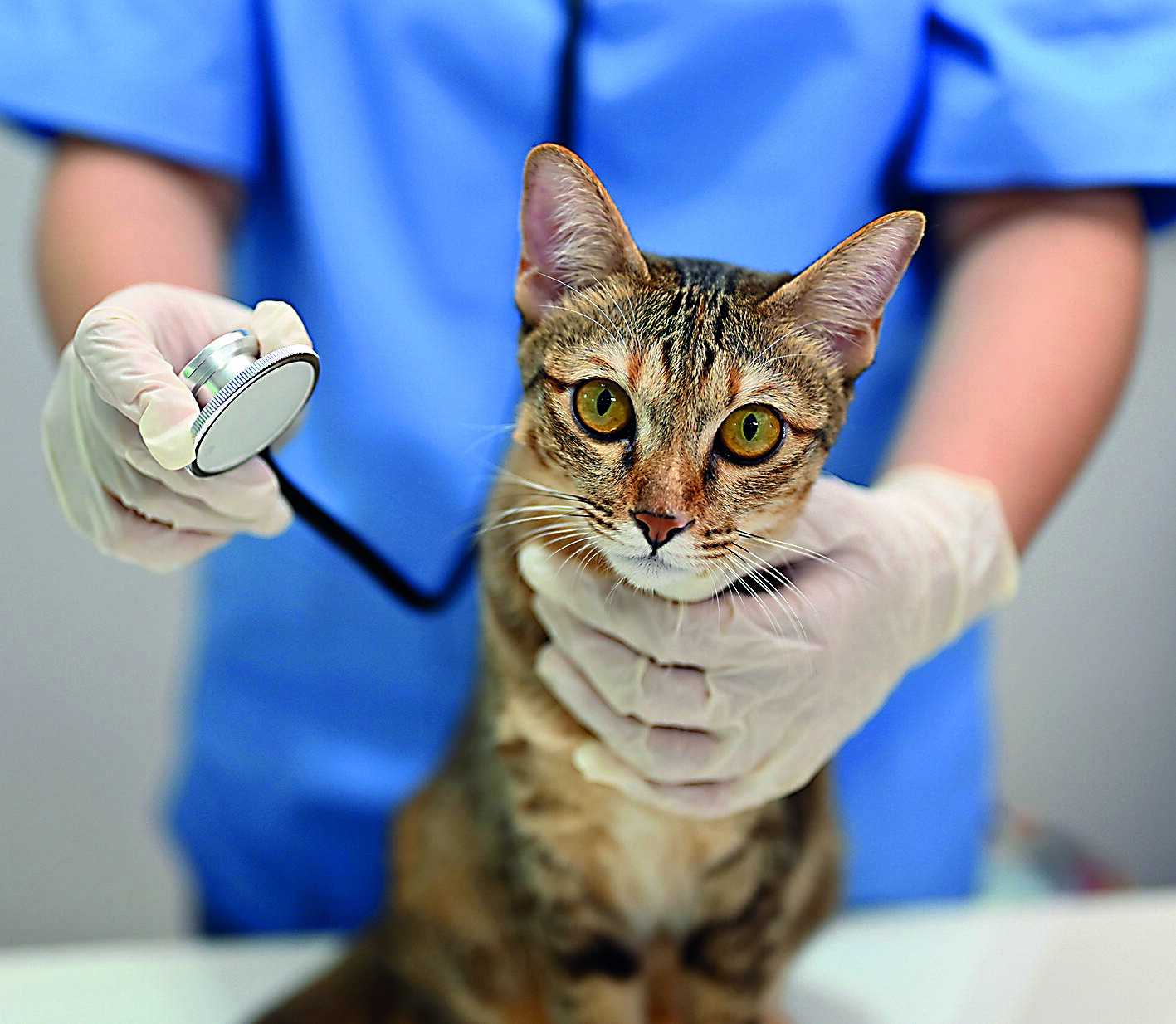
On the money trail As adoption numbers climb and cats become integral membersof urban households, pet parents are looking beyond basic supplies for specialised nutrition, preventive healthcare, and wellness. Investors are betting on that shift too. As per market reports, Fresh cat food startup Smylo secured a `75 lakh deal at a `75-cr valuation on Shark Tank India. Freeze-dried pet food brand Zoomies has raised `5 crore in pre-seed funding, while Vetic has raised $40 million – a company born out of its founder’s struggle to find emergency care for his cat, Simba.
The rapid growth has also exposed a gap in services. While food, toys, and accessories have expanded quickly, specialised veterinary care, behaviourists, insurance products, and cat-friendly infrastructure are only beginning to catch up.
“For businesses willing to invest in feline-first products and services, the opportunity is only getting bigger,” observes Ghosh.
While feline healthcare still trails dog care, it has advanced rapidly over the past five years. We’re also seeing the rise of cat-specific services such as behaviourists and spas, although the quality of care continues to vary across cities
Subhashree Basu, cat parent and entrepreneur
From social media stars to real communities Once ruled by chaotic dog videos, social media feeds are now awash with cinematic cat content – from slow blinks and dramatic leaps to their famously independent attitude. What began as internet entertainment is reshaping public perception and real-world communities. Cat Café Studio, Mumbai was conceived as a social enterprise where coffee culture helps fund rescue, care, and adoption. “We were inspired by global cat cafés, our studio engages artists and communities to raise awareness,” says communications manager Pooja Iyer.
The initiative expanded in 2017 with the creation of The Feline Foundation, which provides medical care, sterilisation, and ICU support for stray cats. “We’re encouraged by how cat adoption has grown. We’ve helped over 2,000 cats find forever homes,” she adds. According to Abhishruti Dutta, founder and creative head, Mrs Wilson’s Café, Kolkata, they have seen an increase in interest around cat-centric spaces post the COVID-19 pandemic.
“The concept has now become mainstream,” she says, adding that the audience is made up of urban millennials and Gen-Zs, many of whom cannot keep pets at home but seek companionship. “The interactions are more mindful. Cats engage on their own terms, creating a unique sense of connection.
Many come in with misconceptions, but after spending time with the cats, they become curious about adoption and pet ownership,” she adds.
Abhishruti revealed that a recent adoption drive helped 13 rescued kittens find homes.
Pets are not ‘just animals’. They are companionship, emotional support and family, and they deserve human-grade care
Gaurav Ajmera, Founder & CEO, Vetic, who had a pet named Simba
How the cat economy is expandingFashion: Luxury brands like Gucci, Celine, and Hermès now offer premium pet collections. In India, Heads Up For Tails has expanded into designer cat furniture, beds, and festive wear Food: Demand has shifted from basic kibble to premium nutrition. While India still imports much of its specialised cat food, domestic direct-to-consumer disruptors like Smylo are producing fresh, high-protein meals locally Tech: Self-cleaning litter boxes, automated tracking toys, and app gaming (like Friskies Cat Fishing) are increasingly catering to indoor cats and busy urban householdsThe viral reach Subhashree Basu, a Mumbai-based cat parent, feels that the acceptance cats have found in popular culture today has a lot to do with the memes and reels that go viral because of their bossy and quirky nature. “I’ve even seen older people who once believed cats shouldn’t be brought indoors completely warm up to them after this explosion,” she says.
- Top pet influencers average a 5% to 15% engagement rate, compared with 1% to 3% for human lifestyle creators.
- More than 93% of followers of dedicated cat accounts say they are willing to buy products promoted by them
- Viral cat content has evolved from short clips into polished, long-form community storytelling
(Sources: StarNgage+, Dataintelo)The ultimate lifestyle match For many first-time pet parents, the decision to bring home a cat begins with practicality and ends in a personal bond.
“I had always wanted a pet, but I felt that having a dog would require more attention than I could realistically give while managing work. A cat seemed like the perfect companion because of their independent nature,” says Ati Shaw, a cat parent. What she didn’t anticipate was the emotional depth of the relationship.
“I was taken aback by their emotional intuition. Whenever I felt upset, he senses it and sits beside me.” That balance between independence and companionship explains why cats have become an apt symbol of urban life. They fit into compact homes, demanding schedules, and quieter lifestyles without asking people to change their core routines. Relationships with cats have also expanded beyond ownership. “There’s immense love for stray cats. People adopt when they can, and when they can’t, they show up every day with food, building a genuinely sweet bond in their neighbourhoods.
What’s still catching up is awareness around basic medical care. Even simple preventive treatments, alongside feeding, could make a life-saving difference,” says veterinarian Dr Anindita Basu.
Dogs are expressive and constantly respond to us. Cats move through the world differently: self-contained, observant, and comfortable on their own terms. That’s exactly what many people find so compelling about them
Shirin Soraiya, cat parent
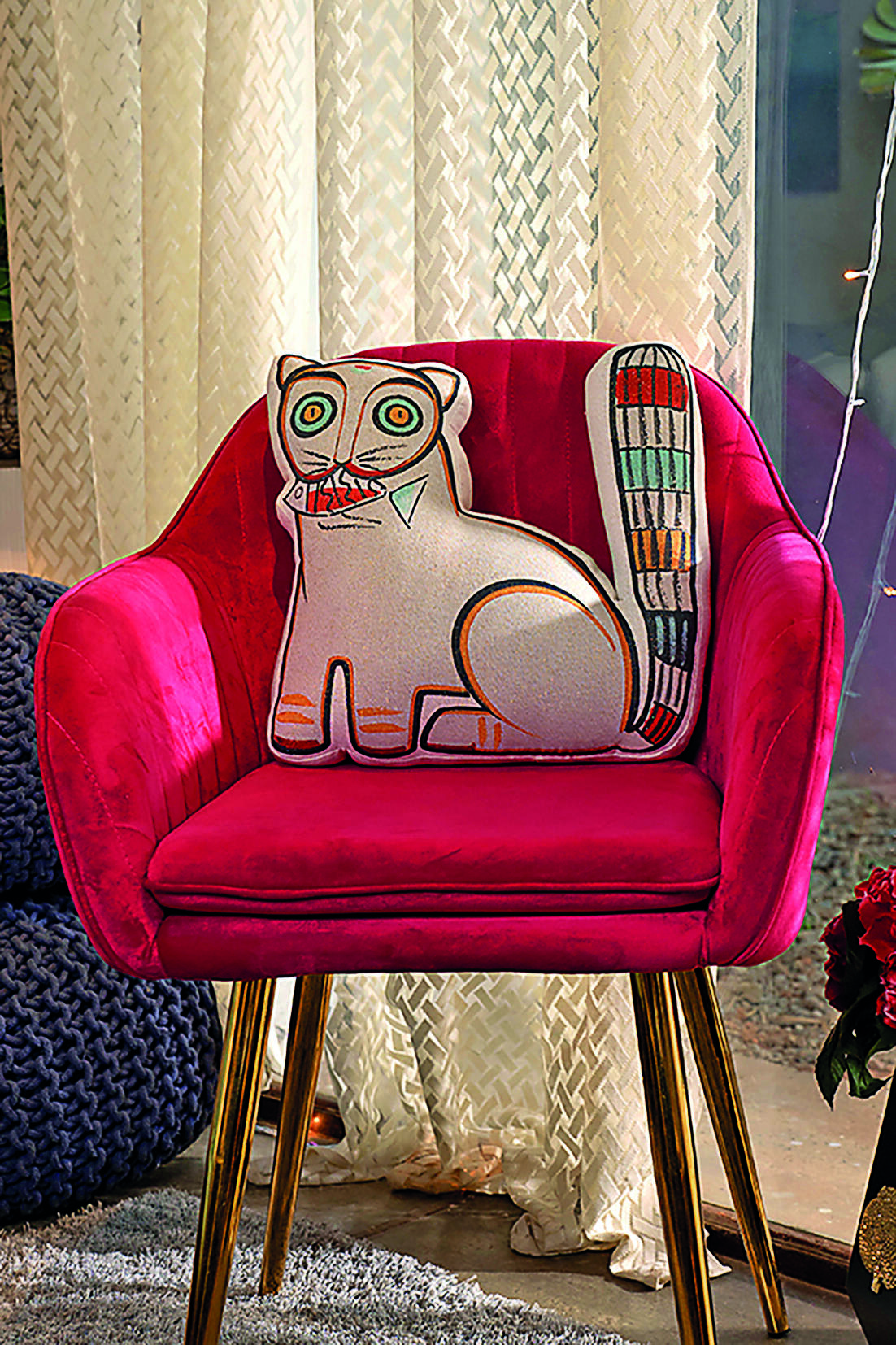
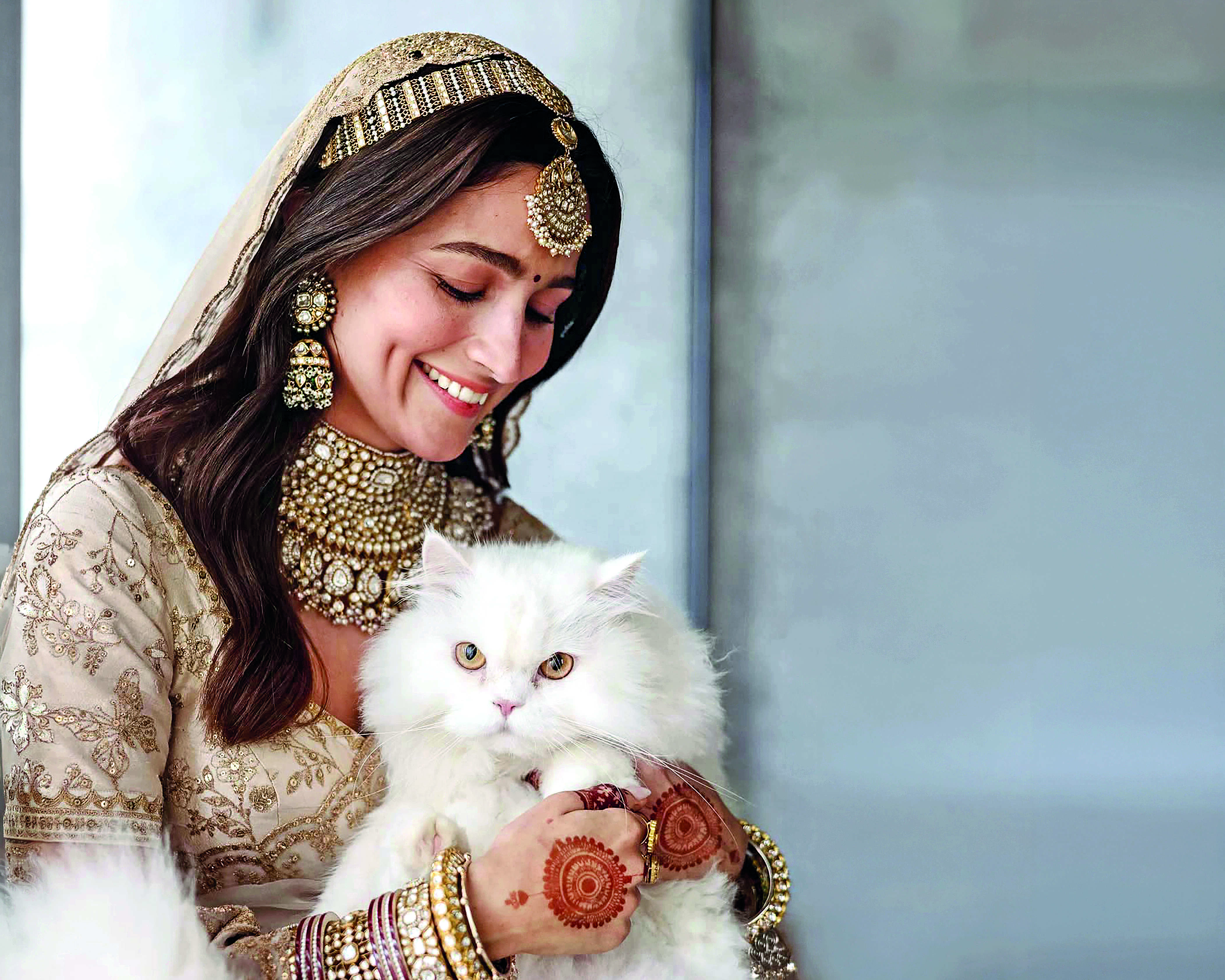
Celebrity cats and heritage art Celebrity branding: Alia Bhatt’s cat, Edward, acts as a corporate muse and the direct inspiration behind her sustainable clothing label, Ed-a-Mamma. Celebs like Jim Sarbh, Jacqueline Fernandez, Disha Patani, and Richa Chadha frequently feature their felines to reinforce an aesthetic of quiet comfort. The heritage edge: Long before Instagram, felines held a place in Indian art history. The MAP Shop launched a lifestyle collection inspired by Jamini Roy’s Untitled (Cat with a Fish) (c.1920). “Jamini Roy’s cat was already iconic. Today’s affection for cats simply helps more people connect with Indian art history,” says growth manager Harshit Upadhyay. Cat-inspired products (right) now account for nearly 40% of their monthly sales.
There’s still a gap, but it’s steadily closing. With more investment in veterinary clinics, the way this city cares for animals will look very different over the next five years
Dr Anindita Basu, veterinarian








 English (US) ·