

 1 hour ago
4
1 hour ago
4
ARTICLE AD BOX
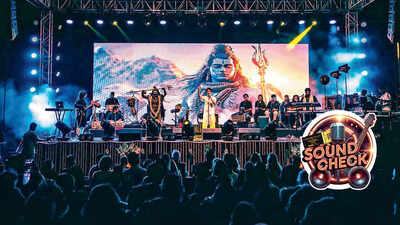
“The experience is meant to feel shared – where music, energy and emotion come together,” notes Nirvaan Birla
A lot has been discussed in the last few weeks about bhajan clubbing. Like most trends that Gen Z has introduced to boomers and millennials, this one has probably caught a lot of attention.
Till the last six months, the term didn’t exist.With well-known names in this genre like Radhika Das, Krishna Das, Jahnavi Harrison, Acyuta Gopi, and Nirvaan Birla touring the country, or performing at individual concerts, the broader term the artistes and organisers used until now was spiritual music concerts or kirtan concerts. Like any other regular concert, they also sell out auditoriums, make people dance, sing and shed tears with their music and chants.
The setting is the same – just the music is different. For most of the artistes as well as audience, these are immersive, experiential concerts that focus on something more inward – a shared experience of inner peace, reflection, and meditation.With so much discussion around the term bhajan clubbing, popularised by bands like Backstage Siblings and Keshavam, artistes who tour or perform as kirtan or chant artistes explain how the term has probably reached the masses with its catchy usage, but what they represent is more than this.
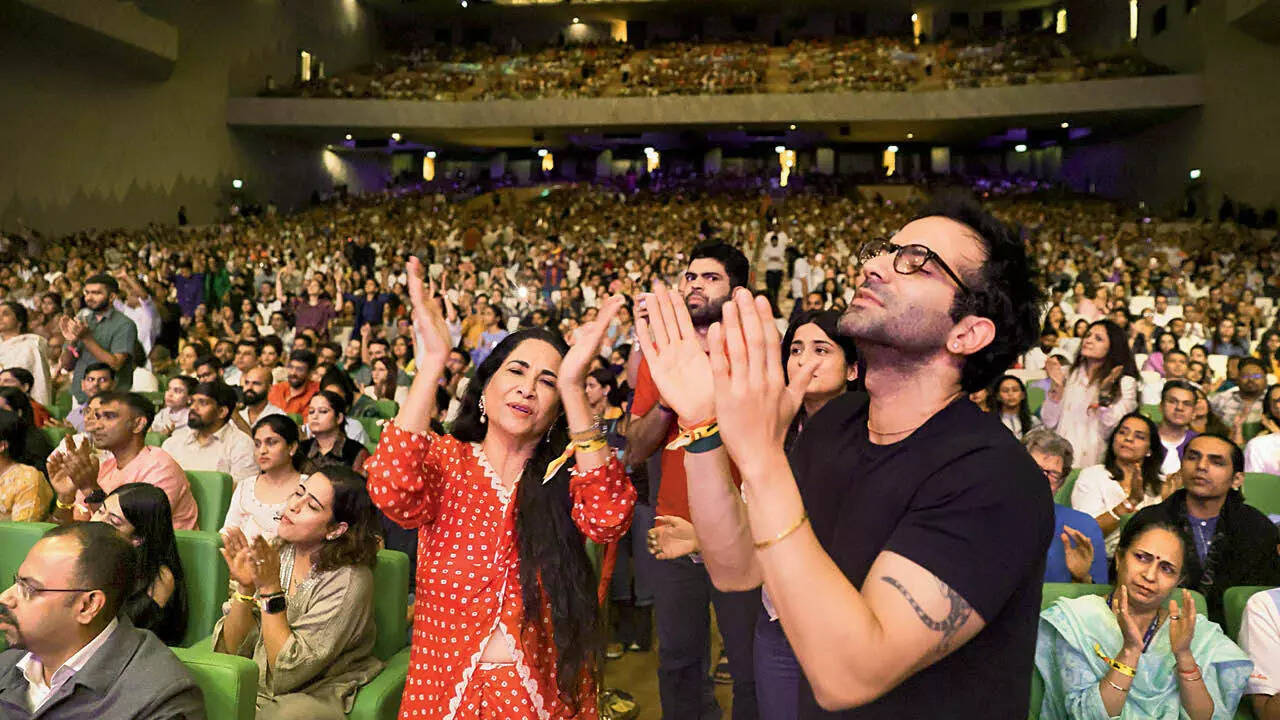
Bhajan clubbing concerts play out like mainstream gigs – sold-out auditoriums, people dancing, singing and visibly moved by the chants
The meaning of bhajan clubbing for artistesNirvaan Birla, Founder of Sounds for the Soul and Managing Director of Birla Open Minds, explains that the term reflects how spirituality is being reimagined in today’s world. “It represents a space where devotion and modern expression come together naturally. I see it as a sign that spiritual music is evolving with the times while still carrying its essence forward,” says Nirvaan. For Radhika Das, it is a modern way of describing something very ancient: collective chanting that brings people into joy, release, and connection.
“It reflects a desire to experience devotion in a shared, energetic space rather than in isolation. While the term uses contemporary language, at its heart it points to people coming together to sing, move, and feel something deeper than everyday life,” he adds. ‘The term ‘bhajan clubbing’ isn’t about redefining bhajan, but about widening its audience’ Explaining why the term ‘ bhajan clubbing’ may have emerged, Radhika Das says, “I understand why the term exists and appreciate what it’s trying to communicate, especially to younger audiences who may feel distant from traditional spiritual spaces.
That said, I don’t consciously frame my work around labels. My focus is on creating sincere kirtan spaces where people can chant from the heart. If someone discovers mantras through a modern description, that’s wonderful – what matters most is the experience they have once they arrive.
I wouldn’t personally describe myself that way. I see myself as someone who serves and facilitates devotional singing and collective meditation.
The environments may look contemporary and the sound immersive, but the intention remains devotional. For me, it’s less about redefining bhajan and more about widening the doorway into it.”
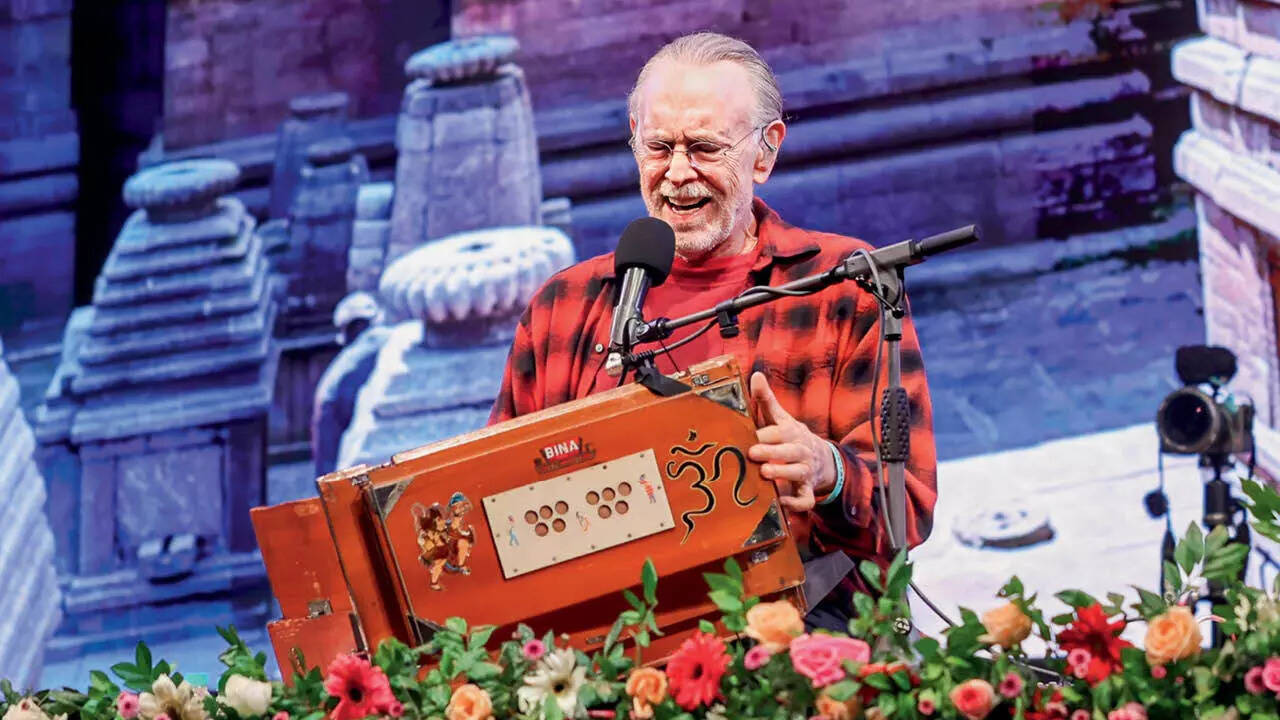
Krishna Das layers traditional kirtan with modern instrumentation, shaping a style rooted in gospel, blues, country and rock rather than raga
Nirvaan adds that he relates to the spirit behind the term. “My music blends devotion with contemporary sounds, and that intersection is what many identify as bhajan clubbing. For me, it’s less about the label and more about creating music that feels honest, accessible, and rooted.” ‘Labels can be helpful entry points; but the real depth of devotional music can’t be captured in a phrase’ When asked if the term bhajan clubbing helps introduce new audiences to spiritual music, or if Gen Z and newer audiences are oversimplifying the genre. Radhika Das explains, “Labels can be helpful entry points; they make something unfamiliar feel approachable. But the real depth of devotional music can’t be captured in a phrase. That depth is only experienced through participation. If the label helps someone walk through the door, great.
Once they’re inside, the music speaks for itself.”Labels like bhajan clubbing help open the door for newer audiences, agrees Nirvaan. “They make devotional music feel familiar and current. While the music itself holds far more depth than any label can capture, these terms play a role in starting the conversation and inviting people in,” the artiste adds.

“(At these concerts) You see a child dancing, a mother singing, a grandfather with his eyes closed and hands raised, sometimes with tears in their eyes – it’s a reminder that bhakti is both cool and captivating,” says Acyuta Gopi
‘Such concerts are contemporary in sound, devotional in essence’ With instruments like the dhol , sitar , and harmonium, these events are rooted in Indian classical and devotional traditions, yet carry a contemporary freshness.
While the artistes may vary in genre and style, the common thread is strong content, curated with intention and depth. “I would describe my concerts as immersive and heartfelt. The experience is meant to feel shared – where music, energy and emotion come together.
It’s contemporary in sound and devotional in essence, blending soulful spirituality with modern music through original compositions and reimagined classics that resonate with today’s generation,” says Nirvaan.“The vibe is pure, immersive, and elevating,” Grammy nominated Acyuta Gopi had told us last year before her India tour. “You see a child dancing, a mother singing, a grandfather with his eyes closed and hands raised, sometimes with tears in their eyes and joy in their hearts – it’s a reminder that bhakti is both cool and captivating. From Gen Z to older generations, we are rekindling dynamics between families. The lights, music, chants, and crowd energy all build up into a shared transcendental moment.
And this is a new genre of immersive entertainment with spirituality at its core. The music is beautiful, the atmosphere is joyful. There is dancing, lights, celebration, and storytelling. But joy does not only come from external stimuli. With this kind of entertainment, we awaken a remembrance of something deep within. That is the difference,” she had shared.
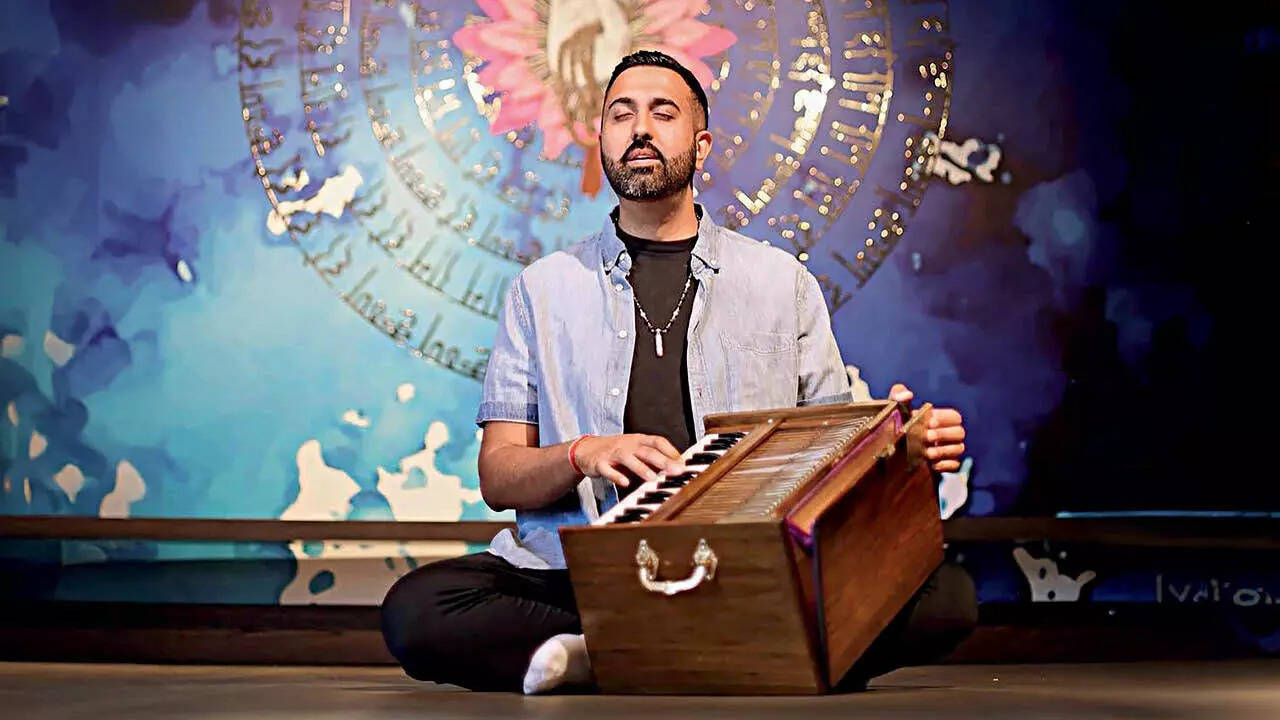
Labels like Bhajan Clubbing can be helpful entry points, says Radhika Das
‘We haven’t associated with the term (bhajan clubbing) – I don’t think purists approve of it’ Abhijeet Ghoshal, who recently released his Hanuman Chalisa Club Mix , insists that bhajan clubbing poses no threat to traditional bhajan and kirtan programmes.
“The music will always remain sacrosanct, even as newer trends emerge. In the current trend, instruments like drums, bass guitar, djembe and cajon coexist with the dholak , harmonium and manjira . I don’t define myself by any single term, but I’m comfortable being associated with bhajan clubbing.
I see it as part of a larger movement in which devotional music is finding new expressions and new audiences, while remaining rooted in its core.”“This is a mix of spirituality, culture, and entertainment,” explains Deepak Choudhary of Eva Live, which organises festivals, concerts and expos. “The vibe is shaped by the music, but it’s the shared emotional space that truly sets it apart. We haven’t associated ourselves with the term – I don’t think purists approve of it,” adds Deepak, who brought Radhika Das to the country last year.









 English (US) ·