

 4 days ago
9
4 days ago
9
ARTICLE AD BOX
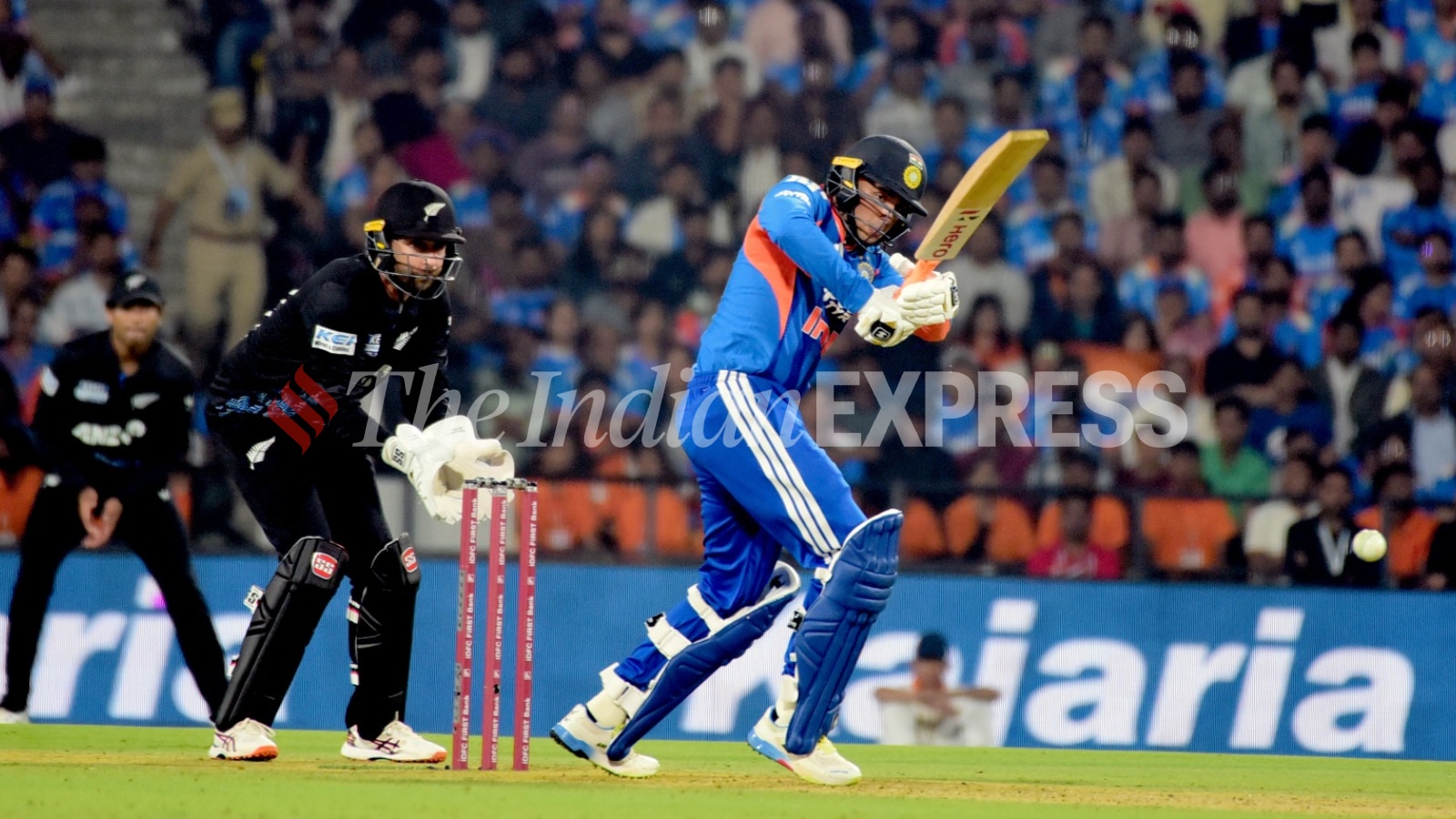 Abhishek Sharma became the fastest cricketer to score 5000 T20 runs. (Express Photo by Dhananjay Khedkar)
The landscape of T20 cricket is shifting under the feet of a new generation, and no single achievement highlights this transition better than the race to 5000 runs. Abhishek Sharma’s becoming the fastest batter to reach the milestone against New Zealand in Nagpur on Wednesday isn’t just a personal record; it is a statistical proof of concept for the “front-loading” era.
By analysing his trajectory alongside another powerful left-handed batter, Chris Gayle, at a similar career junction, we see a shift from physical dominance to high-velocity aggression. Gayle was the undisputed architect of the “slow burn, big bang” theory – the idea that a batter could afford a quiet start if they possessed the raw strength to devastate an attack in the second half. However, a new blueprint seems to be emerging with a shift from physical dominance to high-velocity aggression.
Here are a few metrics where the Indian has outshone the Jamaican, in terms of numbers:
What do Abhishek Sharma’s numbers look like when placed next to Chris Gayle’s?
Abhishek Sharma breached the 5000-run mark in T20 cricket in 2898 balls, 342 fewer than one of the game’s greatest left-handers, who got to the mark in 3240 balls. The mechanics of their scoring are as different as their eras. While Gayle (363 sixes) was slightly ahead of Abhishek (309 sixes) in total maximums at this stage, Abhishek’s surplus of 466 fours (vs. Gayle’s 384) accounts for his superior scoring speed.
How does Abhishek’s strike rate compare with Gayle’s at a similar stage of their careers?
At the time of reaching the mark, Sharma boasted a strike rate of 172.53, which is drastically higher than Gayle’s 154.32. This 18-point difference indicates that Abhishek has effectively removed the “sighting period” that defined Gayle’s early-innings approach. While Gayle often spent the first few overs of the powerplay gauging the bounce and movement, Abhishek treats the first ball of the match with the same intent most reserve for the final over.
Story continues below this ad
How often does Abhishek produce big innings compared to Gayle?
Is this high-risk approach sustainable? The numbers say yes. Abhishek produces a 50+ score every 4.2 innings, compared to Gayle’s 5.5 innings at the same stage. He already boasts eight T20 centuries (at the age of 25), putting him on a faster trajectory toward Gayle’s all-time record of 22. He isn’t just a “blitz” player; he is a consistent accumulator who maintains his peak tempo for longer durations.
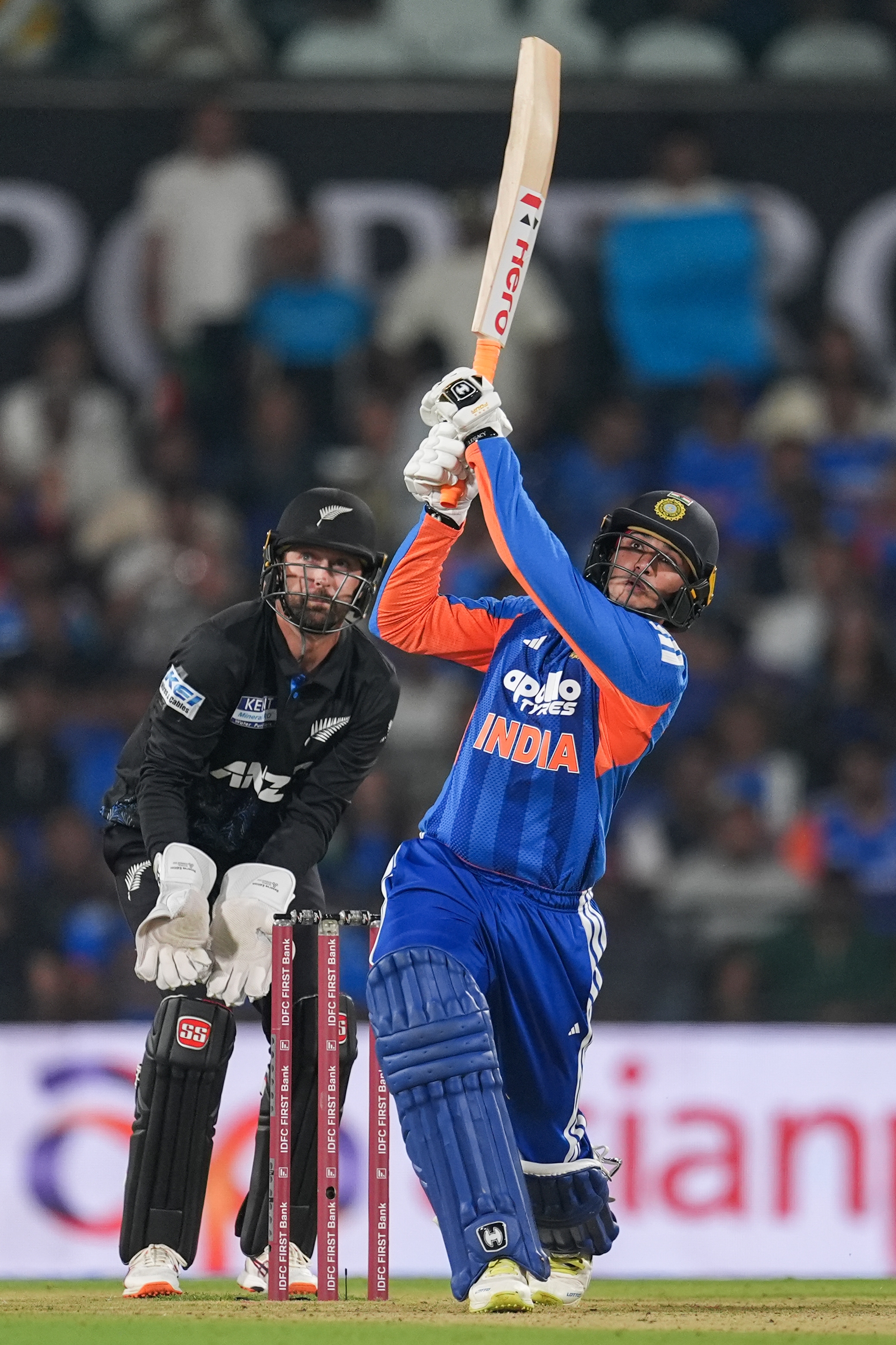 Indian opener Abhishek Sharma scored 84 off 35 and struck eight sixes against New Zealand in the first T20I. (PHOTO: CREIMAS FOR BCCI)
How frequently do Abhishek’s big knocks come in winning causes, compared to Gayle’s?
Abhishek holds a significant edge here with an 85 percent win rate in matches where he scores a fifty. Gayle’s rate was closer to 72 percent. The disparity in their winning percentages highlights a tactical shift: Abhishek’s ‘front-loading’ style shuts the door on opponents in the opening overs. Gayle, while legendary, practiced a more traditional acceleration curve that risked letting the game drift in T20s if he didn’t bat through the entire innings.
Story continues below this ad
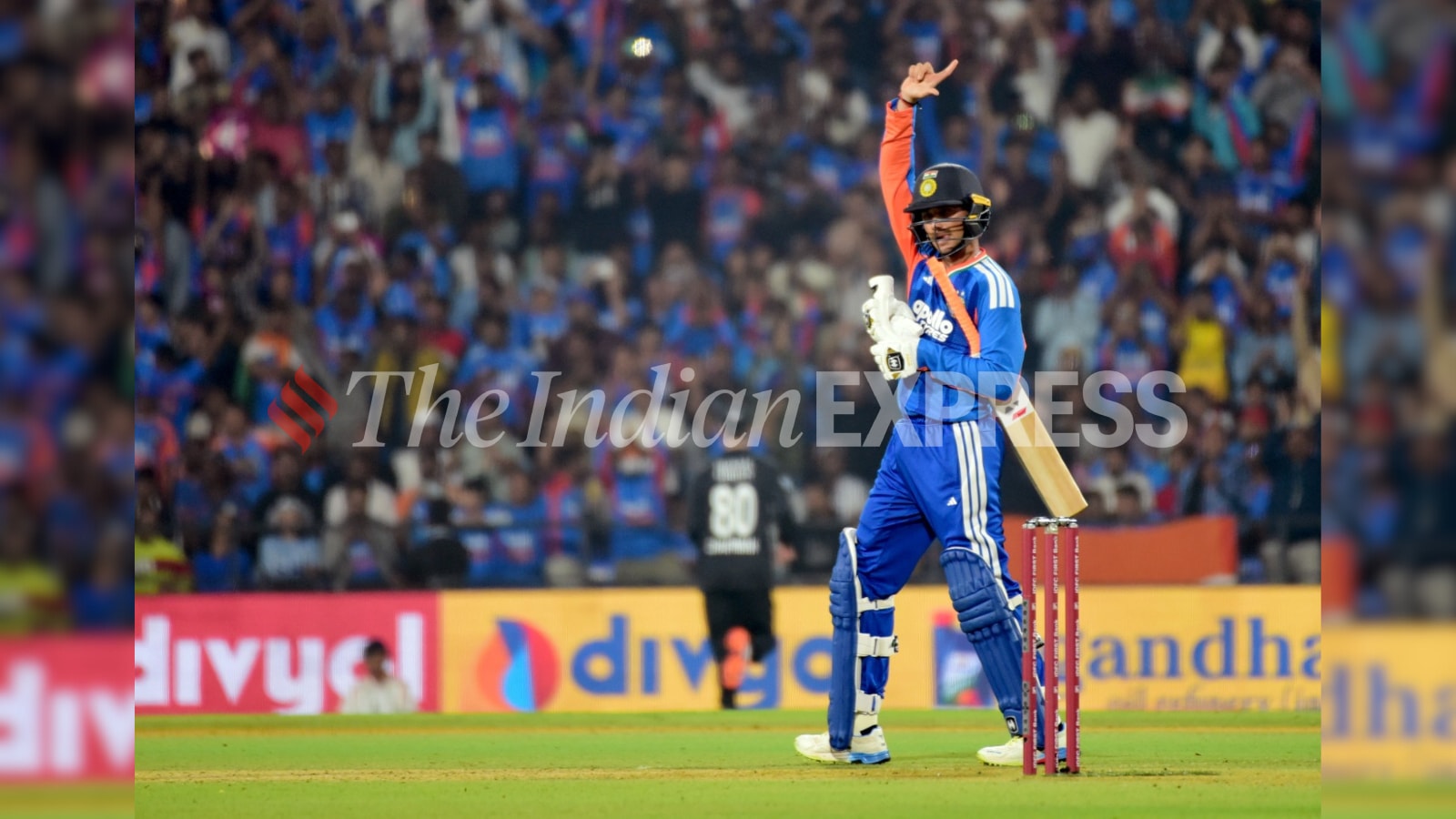 Indian opener Abhishek Sharma scored 84 off 35 and struck eight sixes against New Zealand in the first T20I. (Express Photo by Dhananjay Khedkar)
Is Abhishek delivering these numbers across conditions and venues, as Gayle did?
Perhaps the one area where Gayle outshines Abhishek. The former was a master of global adaptation, succeeding in international cricket and different leagues around the world. Abhishek is yet to make a similar global impact, having only played nine matches combined in Australia and South Africa, with a best score of 68. The five-match T20I series against England in July presents him with an opportunity to succeed in a new environment and widen his global landscape as a batter.
(With stats inputs from Lalith Kalidas)





 English (US) ·