

 1 hour ago
4
1 hour ago
4
ARTICLE AD BOX
Last Updated:February 25, 2026, 15:47 IST
Noor Inayat Khan’s language skills and training caught the attention of the Special Operations Executive, a secret British organisation that sent agents into occupied Europe.
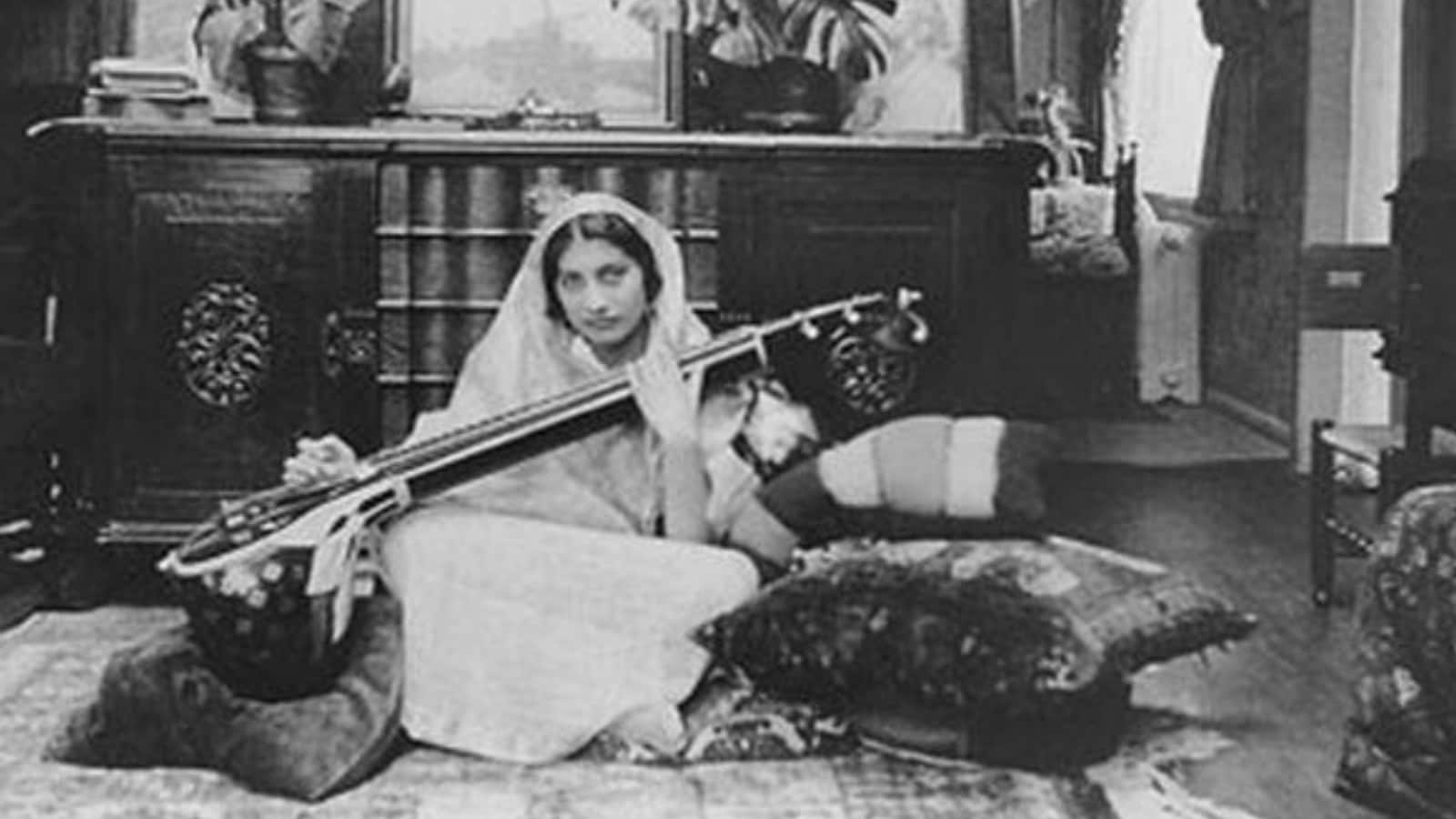
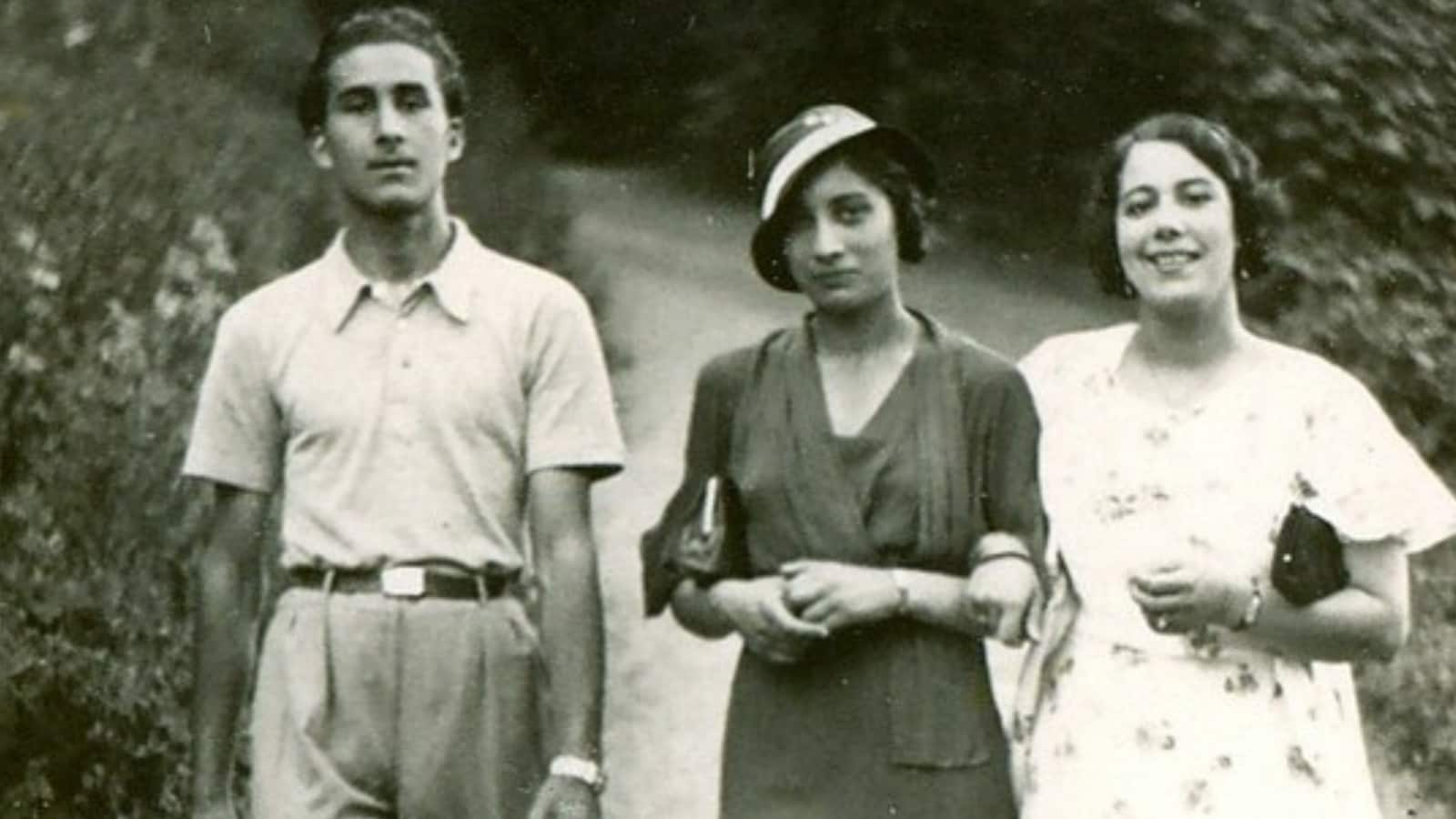
She lived a life that sounded almost unbelievable. A royal bloodline linked to Tipu Sultan yet she chose a path that was filled with danger. During World War II, she worked as a spy for Britain and was later captured and killed by the Nazis. For many years after the war, very few people knew her story. Her name was Noor Inayat Khan.
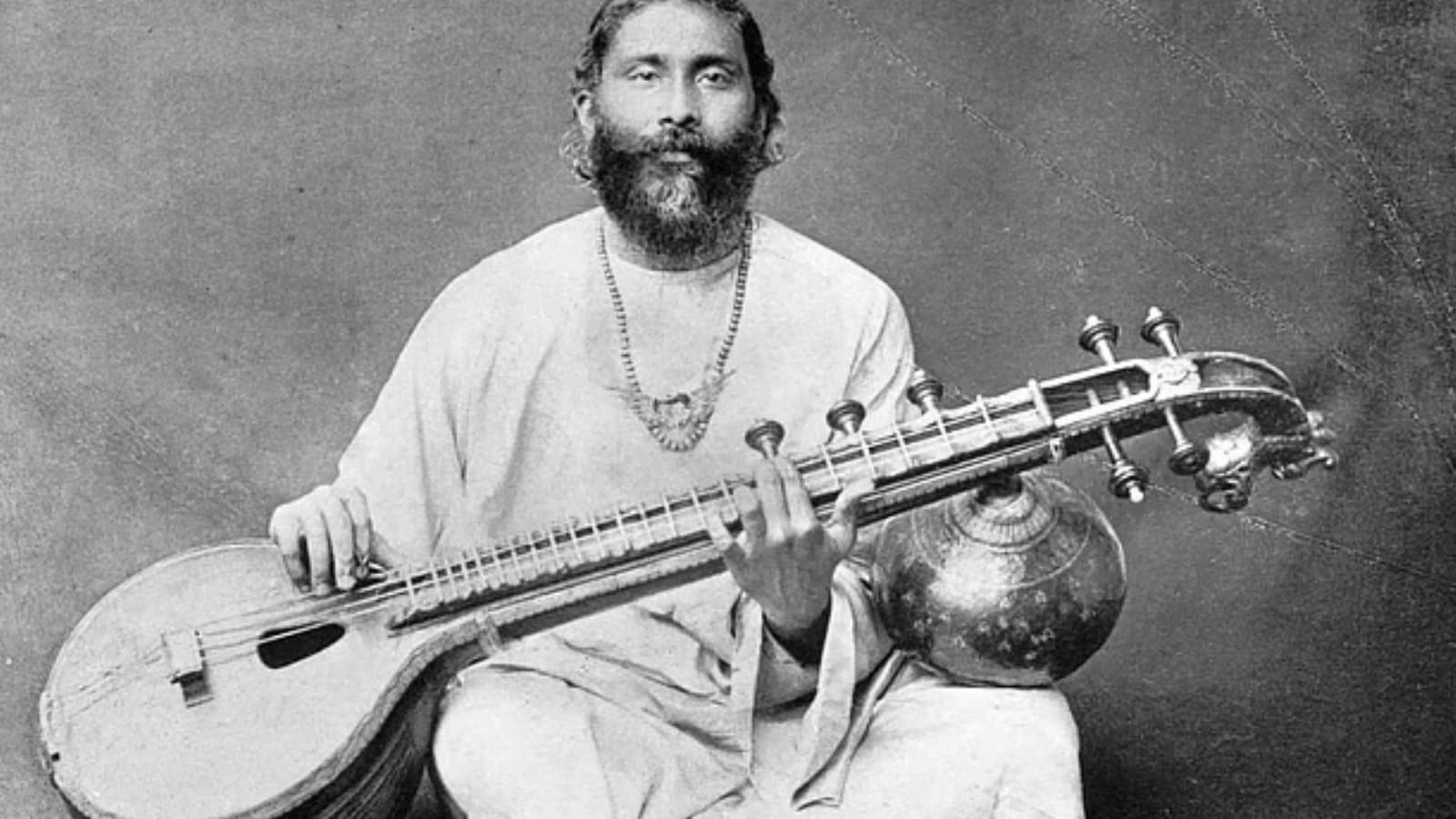
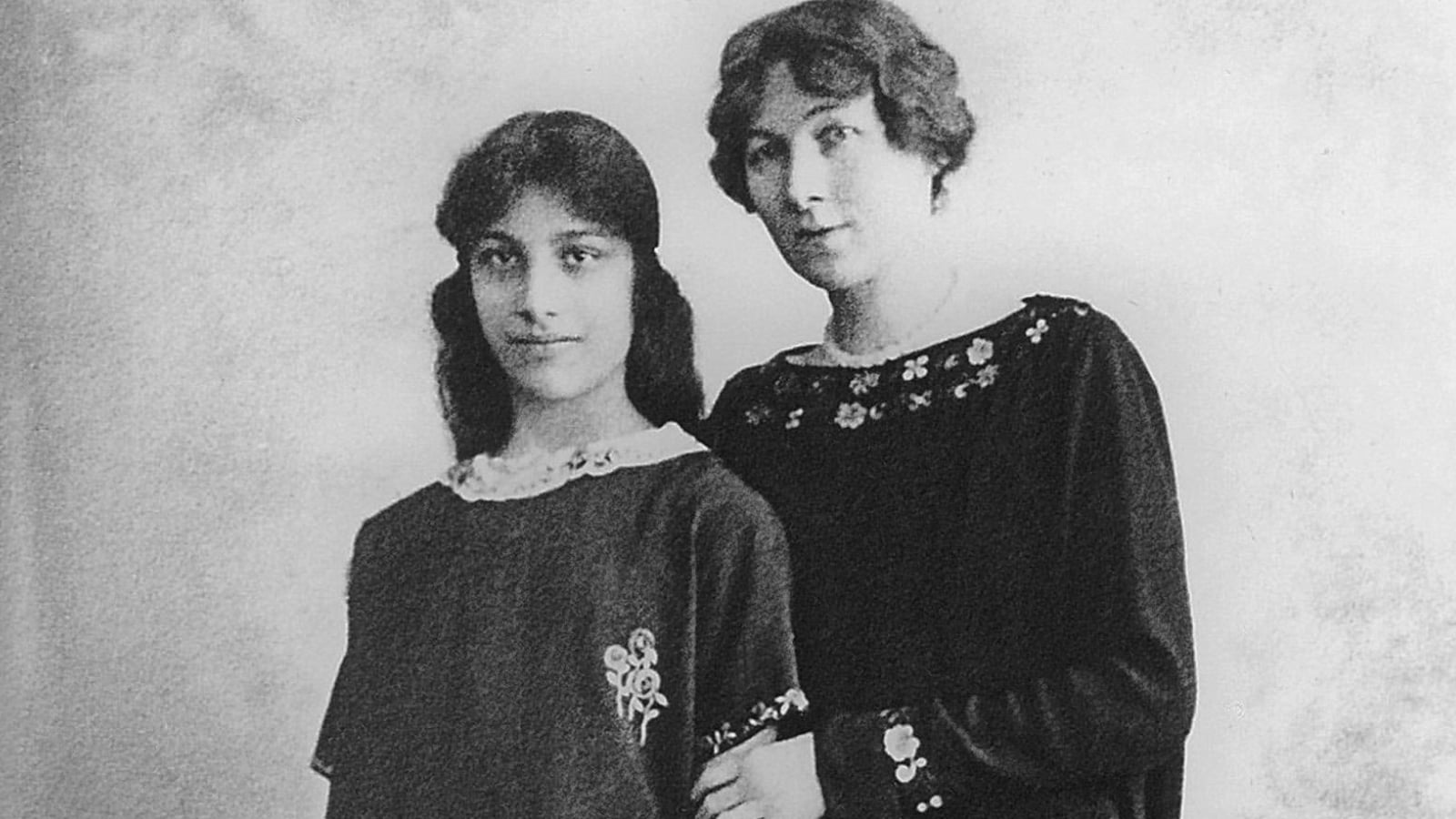
Born on January 1, 1914, in Moscow, Noor grew up in a family deeply rooted in music and spirituality. Her father, Inayat Khan, was a Sufi preacher and musician and her mother, Amina Begum, was originally from US. When World War I began, the family moved to England. Later, due to her father’s pro-India views and increasing British scrutiny, they shifted to Paris in 1920. Noor spent much of her childhood there with her three younger siblings.
Her lineage carried a powerful history. She was a descendant of Tipu Sultan, the 18th-century ruler of Mysore who died fighting British forces in 1799. Despite that background, Noor’s upbringing focused more on harmony than conflict. Her father believed strongly in non-violence and the idea that all religions were one. These teachings shaped Noor’s thinking from a young age. When her father died in 1927 during a visit to India, 13-year-old Noor took on responsibilities at home and helped her mother raise the family.
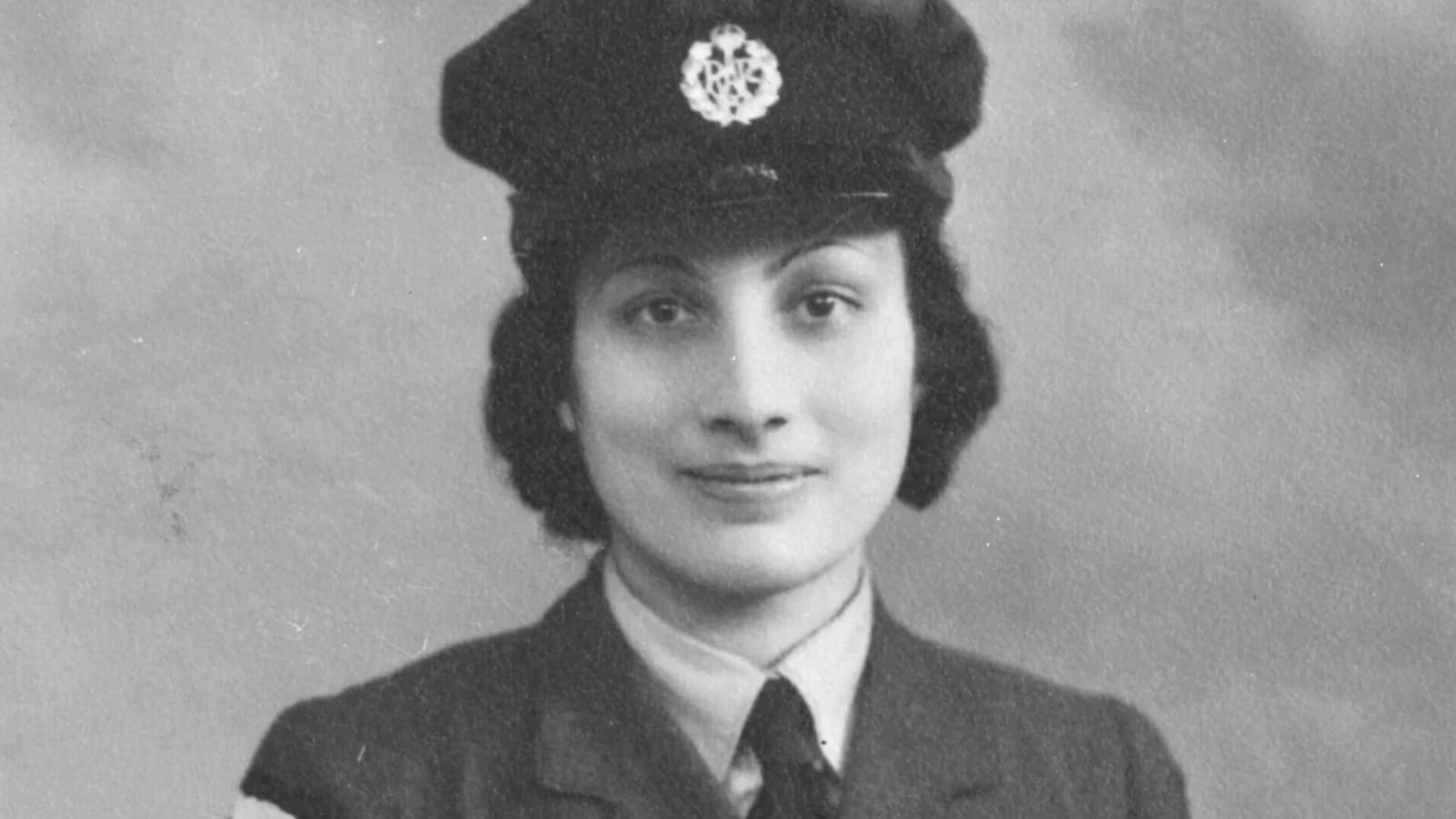
Everything changed in 1940 when Nazi forces occupied France. Like thousands of others, Noor fled to Britain. Soon after arriving, she decided to support the war effort. She joined the Women’s Auxiliary Air Force and trained as a wireless operator. She was highly skilled at handling communications equipment, a talent that would later define her role in the war.
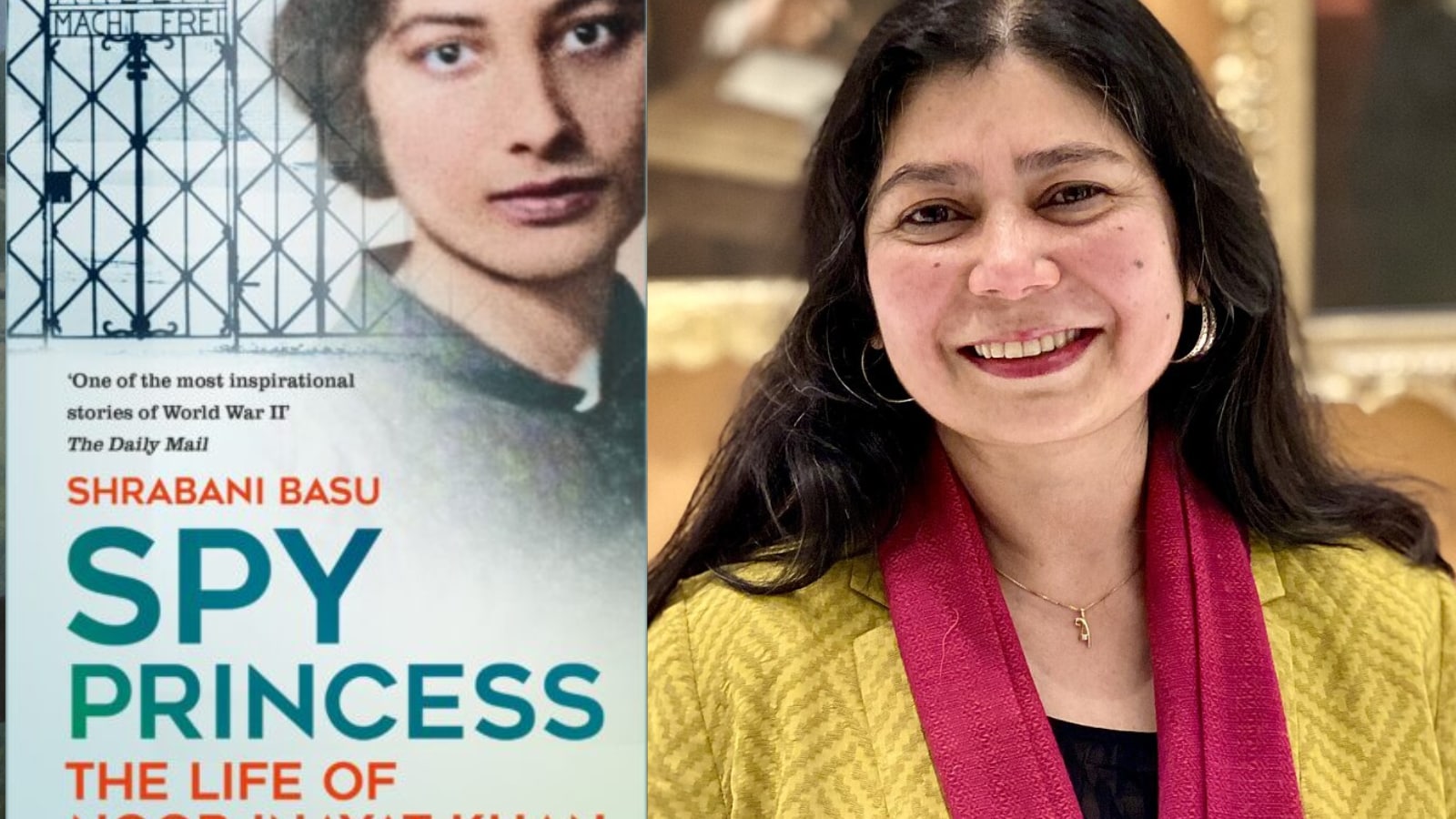
Her deeper motivation, according to author Shrabani Basu who wrote Noor’s biography, Spy Princess, in 2006, came from her strong rejection of Nazi ideology. Basu told Al Jazeera, “To Noor, the ideology of the Nazis and their pogrom against the Jews was fundamentally repulsive and opposed to all the principles of religious harmony that she been brought up with by her father.” Noor had also fallen in love with a Jewish man which made the persecution even more personal. Though she was Muslim by birth, she wanted to do something to help the war effort.
Even while serving Britain, Noor did not forget India’s struggle for independence. She admired Mahatma Gandhi and believed in freedom from colonial rule. According to Basu’s book, she informed her British recruiters that once the war ended, she might have to support India over Britain. Her nephew, Pir Zia Inayat Khan, told Al Jazeera, “From a young age, Khan was already someone who was always very intrinsically selfless and self-giving.” He added that she stood up for the oppressed, no matter who they were.
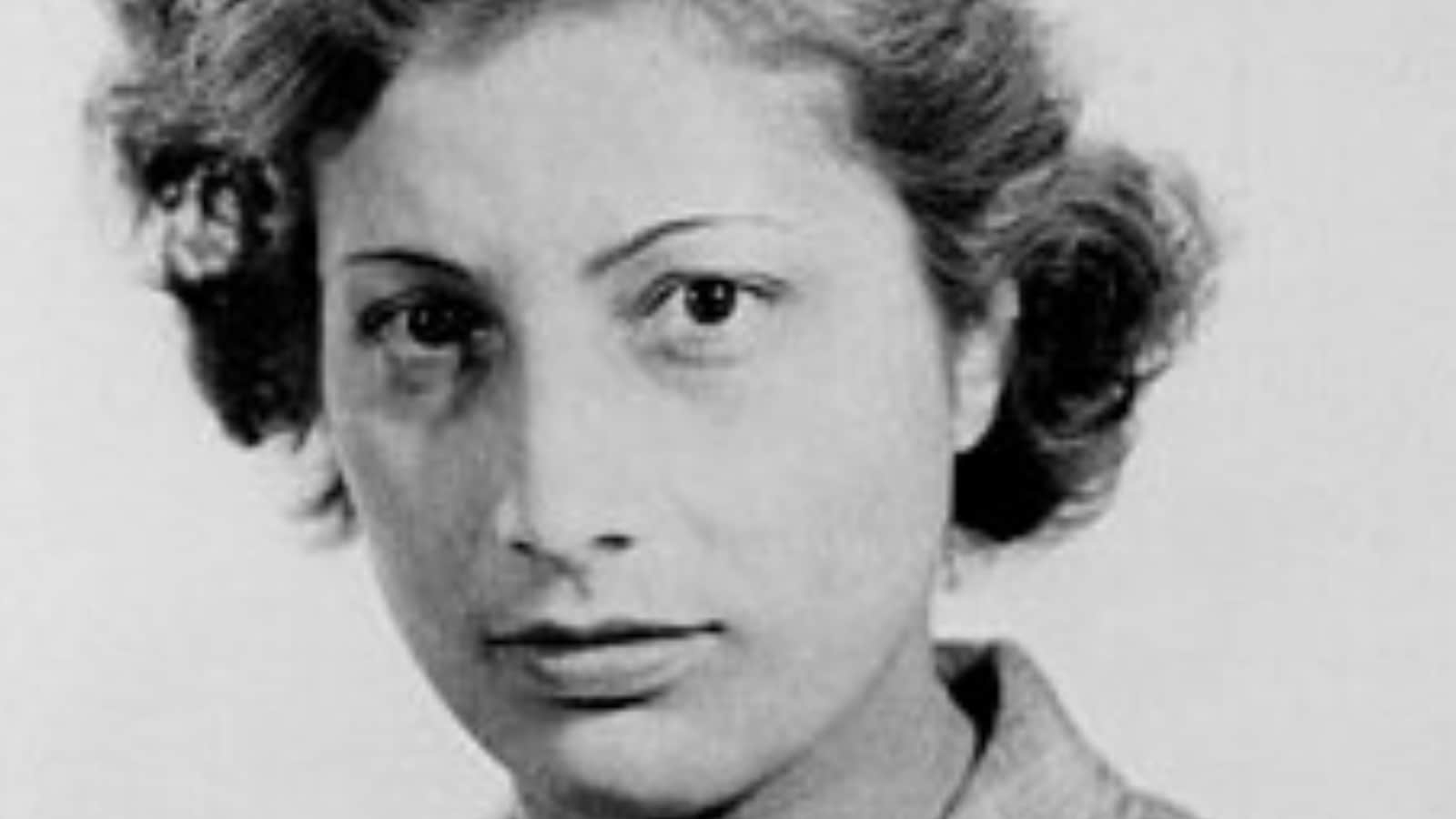
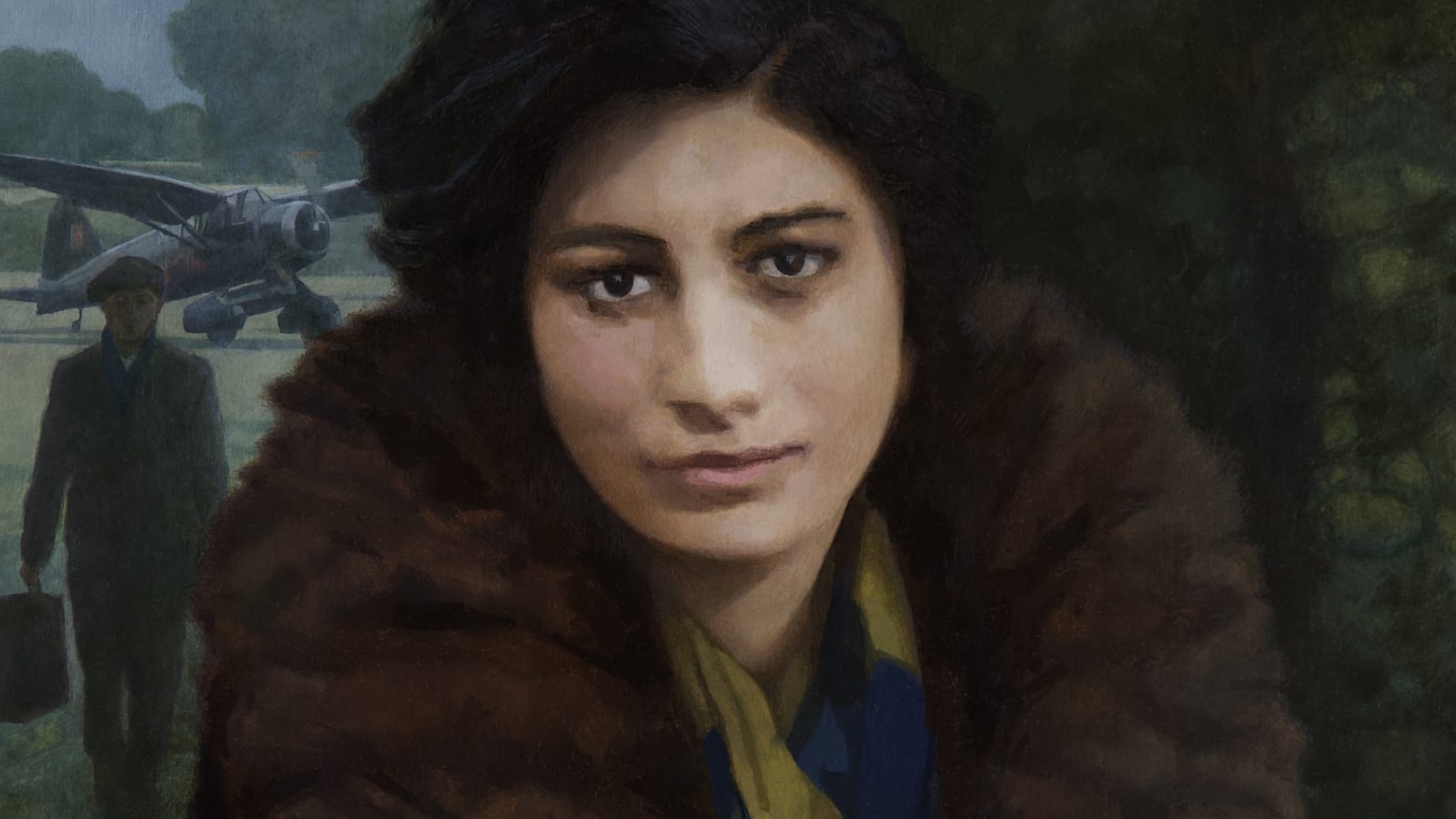
Her language skills and training soon caught the attention of the Special Operations Executive, a secret British organisation that sent agents into occupied Europe. She was fluent in French which made her valuable. Despite knowing the risks and the limited financial reward, she accepted the mission without hesitation. In June 1943, under the code name “Madeleine,” she was sent to France. She became the first woman wireless operator deployed there by UK.
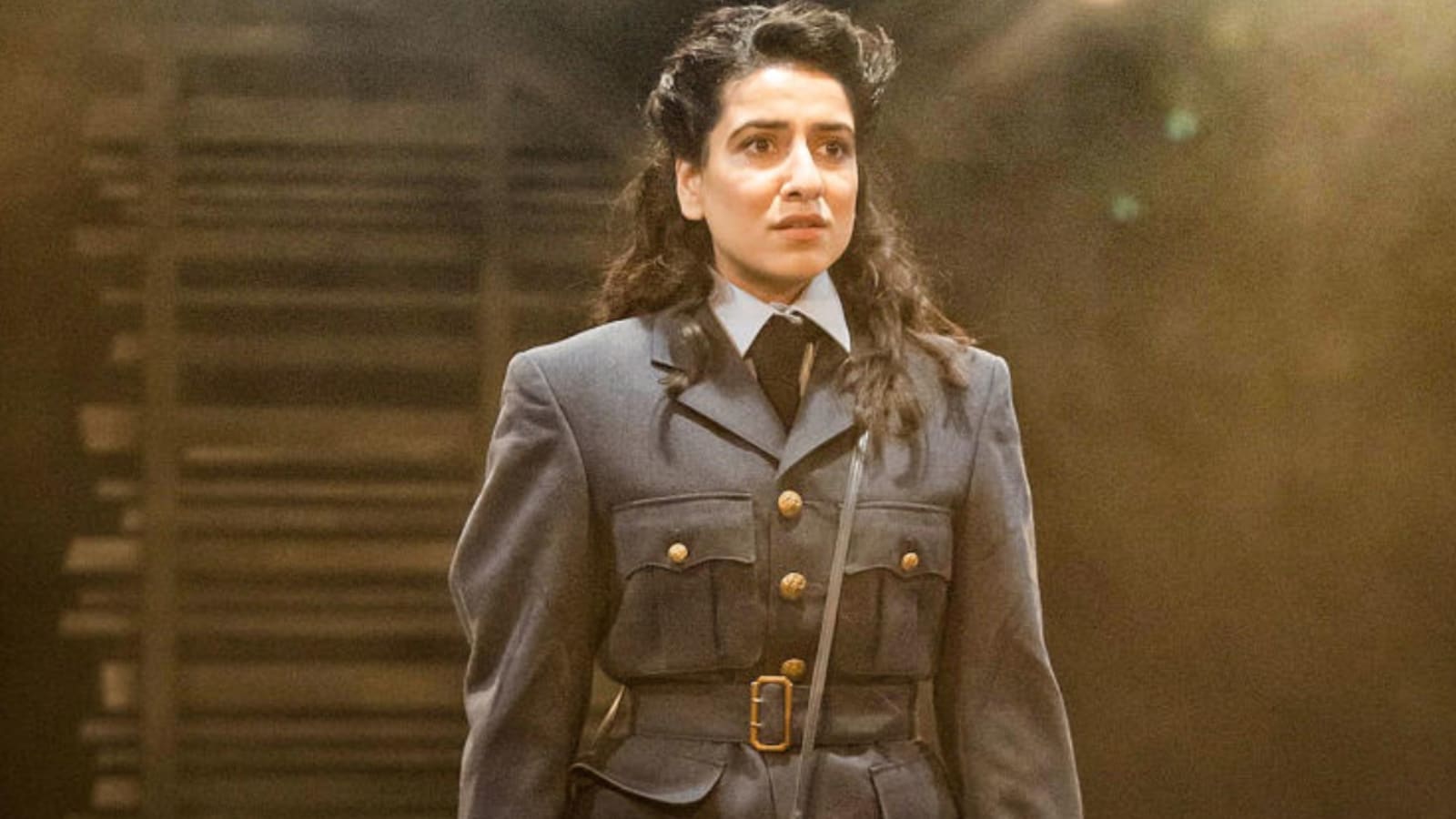
After landing in Le Mans, she travelled to Paris and joined a resistance network known as Prosper. Within days, most of the senior agents were arrested by the Nazis. Their wireless sets were seized which left Noor as the only operator still active in the field. For months, she continued transmitting messages under constant threat. Eventually, she was betrayed and arrested by the Gestapo in October 1943. A month later, she was taken to Germany.
The Gestapo labelled her a highly dangerous prisoner. She never revealed information about her colleagues and attempted to escape twice. During her imprisonment, she was tortured and kept in chains. Later, she was moved to the Dachau concentration camp near Munich. There, she was shot along with three other SOE agents. Ernst Vogt, her interrogator in Paris, later told biographer Jean Overton Fuller that he had never met anyone like her and “admired her courage, bravery and kindness.” When asked if she felt her sacrifice was wasted, she reportedly said it did not matter. “She had served her country and that was recompense,” she had said.

Recognition came many years later. In 1949, she was posthumously awarded the George Cross, UK’s highest civilian honour and in 1946 she received France’s Croix de Guerre. In 2014, a stamp was issued in her honour. In 2020, she became the first woman of Indian origin to receive a Blue Plaque in Britain for her work as an SOE agent. Her story also reached cinema audiences through the film A Call To Spy where actor Radhika Apte portrayed her life as a spy, writer and pacifist.
News Photogallery viral The Great Granddaughter Of Tipu Sultan Who Chose To Enter One Of The Most Dangerous Spy Networks In Nazi Occupied Europe







 English (US) ·