

 1 hour ago
6
1 hour ago
6
ARTICLE AD BOX
Why the Question 'What Are We Eating?' Is Driving a New Preventive Healthcare Mindset Across Indian Homes
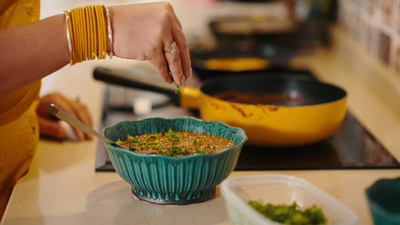
A grandmother checking the aroma of freshly ground spices. A father reading the label on a bottle of cooking oil. A young couple asking where their flour was milled. These may seem like ordinary moments, but together they reflect a quiet shift happening in Indian homes.For decades, healthcare in India was largely reactive. People sought help when something went wrong. A diagnosis came first, lifestyle changes came later. But with diabetes, heart disease and obesity becoming increasingly common, many households are beginning to realise that health does not begin in a clinic. It begins in the kitchen.
The numbers are forcing people to pay attention
India is often called the diabetes capital of the world for a reason. According to the Indian Council of Medical Research's India Diabetes (INDIAB) Study, an estimated 101 million Indians are living with diabetes, while another 136 million have prediabetes, putting them at high risk of developing the condition.The numbers have become difficult to ignore. Families are seeing chronic illnesses appear at younger ages, sometimes even among people who believe they eat reasonably healthy home-cooked meals.This changing reality is pushing many Indians to ask a simple but important question: What exactly is going into everyday food?
The kitchen is becoming the first line of preventive healthcare
Yatish Talvadia, Co-founder and CEO of Anmasa, believes that the shift is happening because people are finally looking beyond calories and beginning to examine the quality of ingredients.
"The grocery list has not changed much. Atta, oil, dal, spices, the same staples, the same shelf, the same monthly purchase. What has changed is the question being asked before putting them in the basket. When was this milled, made, or processed? Small questions, but they signal something larger shifting in how urban India thinks about the food it has always taken for granted," he says.For years, preventive healthcare revolved around health check-ups, supplements and exercise plans.
Food ingredients themselves rarely entered the conversation."More doctors are now pulling the conversation toward food not because it is fashionable but because the clinical evidence keeps pointing there," Talvadia said.The kitchen, in many ways, is becoming the first clinic.
The hidden cost of highly processed staples
The word "processed" often brings to mind packaged snacks and sugary drinks. But some of the most frequently used ingredients in Indian kitchens also undergo extensive processing."This is not about superfoods," said Talvadia. "What is being questioned now sits on every kitchen shelf already. The atta tin. The oil can. The masala dabba."He explained that refining can strip grains and seeds of some of their naturally occurring nutrients."Remove the bran and the germ during milling and what remains behaves very differently in the body than the whole grain did. Blood sugar rises faster. The fibre that slows digestion is gone."Similarly, industrial processing of oils often involves high heat and multiple refining steps. While refined oils are widely used and approved for consumption, many consumers are now exploring alternatives such as cold-pressed oils because they prefer foods that undergo minimal processing.Spices tell a similar story."Fresh-ground spices carry volatile oils and bioactive compounds that have real effect on the body," Talvadia said.
"By the time a packaged spice blend travels through processing, warehousing, and months on a shelf, a significant portion of that value has already evaporated."The shift, experts say, is not about rejecting convenience. It is about becoming more conscious of how everyday ingredients are produced.
Five kitchen habits that can improve long-term health
Preventive healthcare is often associated with expensive supplements and complicated diets. In reality, many meaningful changes can begin with small decisions made every day.Buy smaller quantities more oftenLarge stocks of flour and spices can sit in containers for months. Buying smaller amounts more frequently can help preserve freshness and flavour.Rotate oils instead of depending on just oneNutrition experts often recommend dietary diversity. Using different oils for different preparations can naturally introduce variety into the diet.Read labels carefullyThe ingredient list can reveal a lot. Added sugars, sodium and preservatives often appear in foods that seem harmless.Keep traditional foods on the plateFermented foods like curd and homemade pickles, seasonal vegetables and diverse grains have long been part of Indian diets. Their value is now being appreciated again.Make the kitchen slower, even if life is fastNot every meal has to be made from scratch. But taking a few extra minutes to choose fresher ingredients, wash vegetables properly or prepare simple meals at home can have a cumulative effect on health over time.
Prevention is built through repetition, not perfection
Perhaps the biggest misconception around preventive healthcare is that it requires dramatic changes."The health returns from these choices do not arrive quickly or dramatically," said Talvadia. "Better blood sugar management, steadier digestion, higher natural intake of nutrients that would otherwise require supplementation, these outcomes come from repetition, from the same better choice made at breakfast and dinner across months and years."That idea may be the most important lesson emerging from Indian kitchens today.The traditional chakki, freshly ground masalas and locally sourced ingredients were never marketed as wellness trends. They were simply everyday practices that valued freshness and care."What is happening now in Indian kitchens is not a wellness trend. It is a reckoning with what was given up in the name of convenience, and a gradual, practical effort to take some of it back," Talvadia said.Preventive healthcare may not always begin with a doctor's prescription.
Sometimes, it begins with opening a kitchen cabinet and asking a few simple questions about the food that reaches the plate every day.Medical experts consultedThis article includes expert inputs shared with TOI Health by:Yatish Talvadia is the Co-founder and CEO of Anmasa.Inputs were used to explain why preventive healthcare is increasingly beginning in the kitchen, and how mindful choices around everyday ingredients and cooking habits can play a crucial role in protecting long-term health and reducing the risk of lifestyle diseases.






 English (US) ·