

 9 hours ago
5
9 hours ago
5
ARTICLE AD BOX
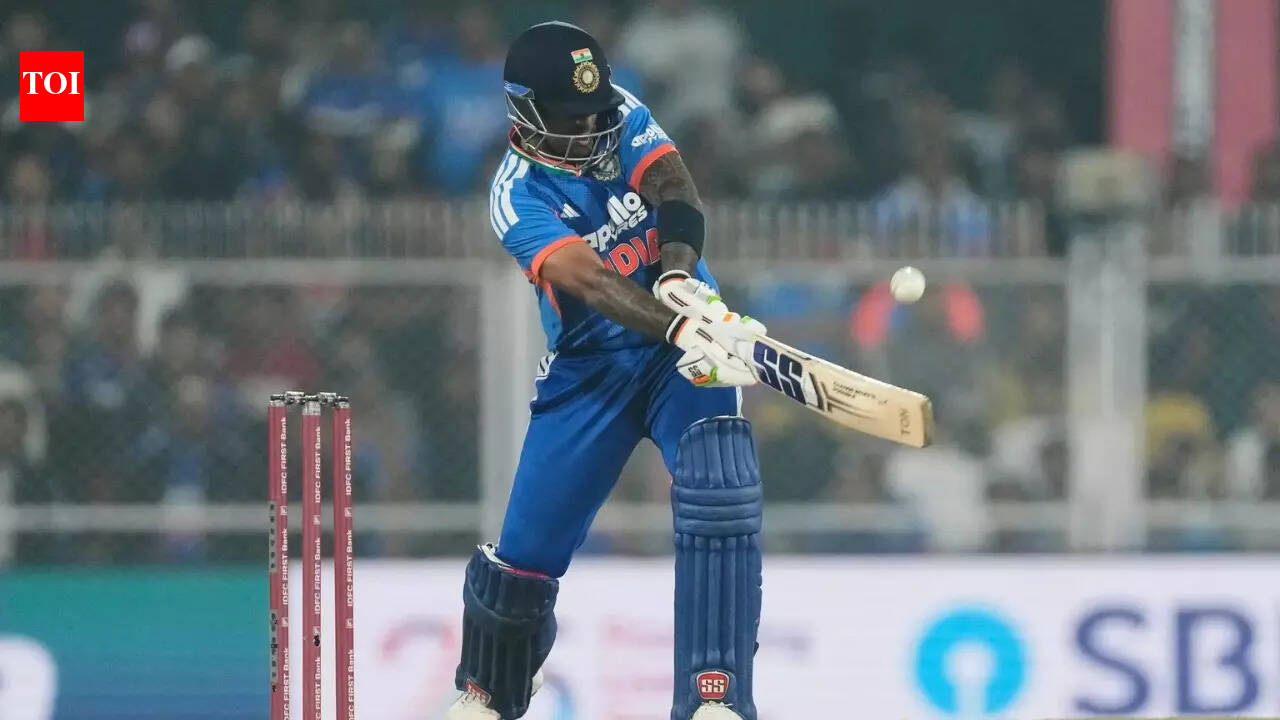
India’s dominance in the ongoing T20I series against New Zealand is being shaped less by runs than by how they respond to early damage. When Sanju Samson fell on the very first ball in the third T20I against New Zealand at Guwahati on Sunday, the Kiwi bowlers felt they had a foot in the door. What they may not have accounted for was the “Ishan Kishan effect.”
It was a clinical repeat of his Raipur heroics in the second T20I. There, India was in deep trouble at 6/2, chasing a massive 209. Instead of retreating, Kishan went into overdrive. By the time the powerplay was over, Kishan had already blazed to 56 runs, accounting for nearly 75 percent of the team’s score. He turned a potential disaster into a 75/2 powerplay masterclass.
While the regular number three Tilak Varma steadies the innings, Kishan has been aggresive from the start, injecting momentum into the innings after the fall of an early wicket.
Here’s a breakdown of how India broke their own team’s fifty record on Sunday:
Did India break their own record for the fastest-ever team T20I fifty?
A: Yes. By reaching 50 in 3.1 overs on Sunday, India bettered their personal record of the fastest-ever team fifty in T20Is, going past the previous best of 3.4 overs against Bangladesh in 2023.
Strike Rate in First Two Balls
200+
Consistently maintaining psychological dominance despite early wickets
2nd T20I Crisis
6/2
India's position when Kishan walked in, chasing 209 runs
Kishan's Response
56
Runs scored in powerplay from just 25 balls faced
3rd T20I Crisis
0/1
Samson out first ball, Kishan counter-attacks immediately
Record Partnership
50
Team fifty in just 19 balls - India's fastest ever in T20Is
Powerplay Dominance in Raipur
75%
Kishan's share of India's 75/2 powerplay score, turning disaster into dominance
Indian Express InfoGenIE
How many balls did Ishan Kishan and Abhishek Sharma face in the 3.1 overs?
Story continues below this ad
A: Ishan Kishan faced 13 out of the 19 balls and made 28 runs, while Abhishek Sharma faced the remaining six deliveries and made 23 runs in this phase of the innings.
Kishan: 0, 6, 6, 4, 0, 4, 0, 1, 2, 0, 1, 4, out
Abhishek: 6, 1, 4, 2, 4, 6
What was the boundary split during these 3.1 overs?
A: The duo hit a combined nine boundary shots to propel the score to 53/2. Kishan smashed three fours and two sixes while Abhishek hit two fours and two sixes in this phase.
How has Kishan’s powerplay batting helped India recover from early wickets?
A: With Tilak Varma recovering from injury, Kishan has batted at number three in each of the last three T20Is. The southpaw’s exploits in the last two T20Is have been game-changing. In the third T20I, after Samson fell for a first-ball duck, Kishan immediately counter-attacked, scoring 16 off his first five balls, and ensured New Zealand couldn’t build on the momentum of that early wicket.
Story continues below this ad
In the second T20I, India were 6/1 in the 1st over when Kishan walked out to bat, in their chase of 209 runs. That soon became 6/2 the following over when Abhishek fell for a first-ball duck. Kishan took total control of this state of despair, scoring 56 runs in the next 25 balls during the powerplay, single-handedly powering India to 75/2 by the end of the six overs.
The fireworks from Kishan sparked praise from captain Suryakumar Yadav, who admitted that he hadn’t seen anyone bat the way Kishan did after the team had been dented early.
“I’ve never seen anyone bat at 6 for 2 in that manner and still end the powerplay around 67 or 70. I thought it was incredible. Chasing 200 or 210, this is what we want from batters – to go out there, express themselves, be happy in their own space,” Surya said at the post-match presentation, after the win.
What is the statistical significance of Kishan’s strike rate in his first two balls?
Story continues below this ad
A: Ever since he first played for India in 2021, Kishan has carried a mindset where he looks to hit his first ball for a boundary or a six. He hit a four on his first-ever T20I ball that he faced and hit a six off the first ball he faced in ODIs. In this series, his strike rate across his first two deliveries have been consistently above 200, a psychological tactic that has pushed New Zealand on the backfoot despite taking early wickets.
How has this aggressive, powerplay approach helped other batters like Suryakumar Yadav?
A: By bossing the powerplay on Sunday, Kishan and Abhishek effectively killed the required run rate early. When Suryakumar Yadav arrived, the pressure was non-existent. In the third T20I, the asking rate was so low that the India captain could play his natural, creative game without risk and finished with an unbeaten 57 off 26 balls and ensured the hosts won with 10 overs to spare. Kishan’s early impetus had provided others with a risk-free environment to finish the game.



 English (US) ·